


Who We Are

Providing investigators with access to advanced equipment and resources for stem cell research.
Core Facilities

Providing investigators with access to advanced equipment and resources for stem cell research.
Jobs

Providing investigators with access to advanced equipment and resources for stem cell research.
News
-
Source:
International Society for Experimental Hematology (ISEH)April 24, 2024The 2024 Donald Metcalf Award goes to Dr. Emmanuelle Passegué for her outstanding work in the fields of normal and malignant hematopoietic stem cell biology.
-
Source:
VP&SApril 22, 2024CSCI Member Nadeen O. Chahine is part of a team which will receive up to $39.9 million from the Advanced Research Projects Agency for Health.
-
Source:
PubMedNovember 2, 2023Hematopoietic stem cells through the ages: A lifetime of adaptation to organismal demands


Announcements
-
Stem Cells, Genome Engineering and Regenerative Medicine Course (BMEN E6510) Spring 2024 Syllabus
-
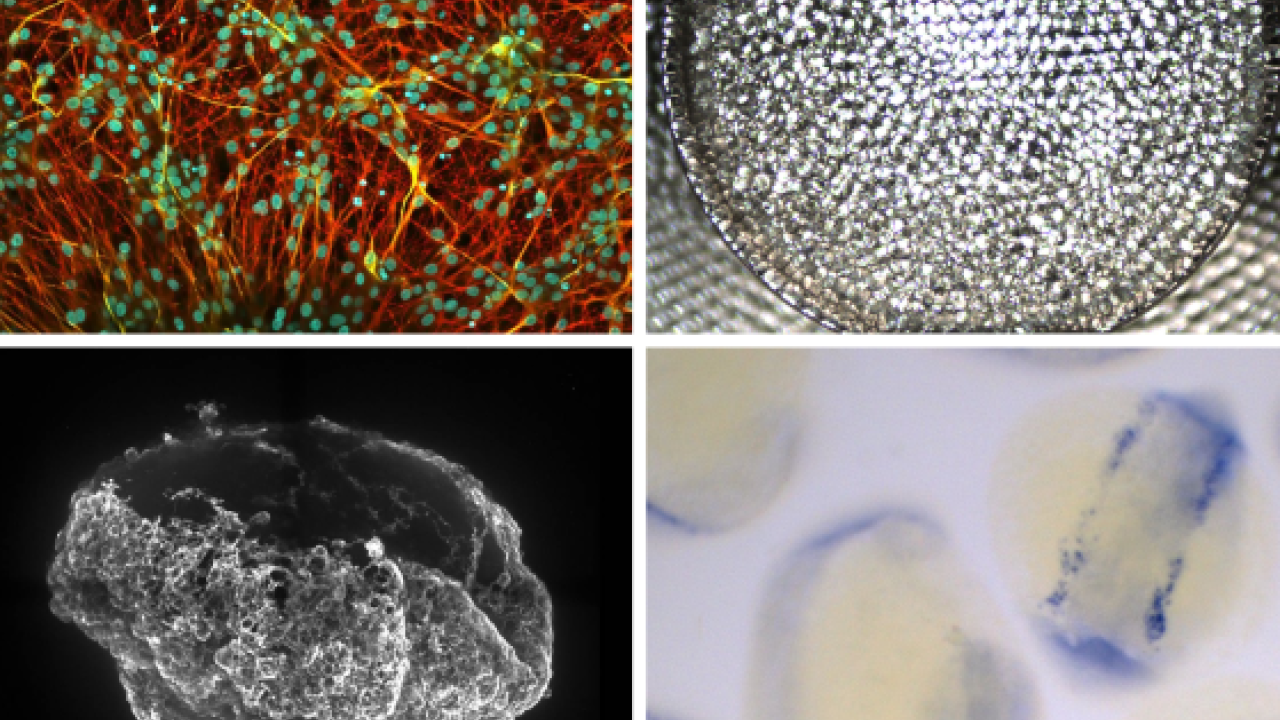
Congratulations to the 2023 photo contest winners!
-
Two CSCI Full Member faculty have been selected for the 2023 CSCI Seed Fund Program, the competition designed to jumpstart new stem cell research projects and promote collaboration among CSCI members.
-
Spring 2023 Stem Cells, Genome Engineering and Regenerative Medicine Course (BMENE6510)
-
Announcing the 2022 CSCI Photo Contest Winners

Events
- Thursday, May 2, 202411:30 AM to 12:30 PM
- Thursday, May 9, 202411:30 AM to 12:30 PM
- Wednesday, May 29, 20248:30 AM to 7:00 PM
Make a Gift

Your generous support helps us make the research breakthroughs that will translate into medical treatments with a global impact.