Top Stories
-
The new Center for Innovative Exposomics in the Mailman School of Public Health s positioned to be a major player in this rapidly emerging field.
Topic
-
Project STAY brings sexual health education and STI screening to underserved people in high schools, colleges, and other locations.
Topic
-
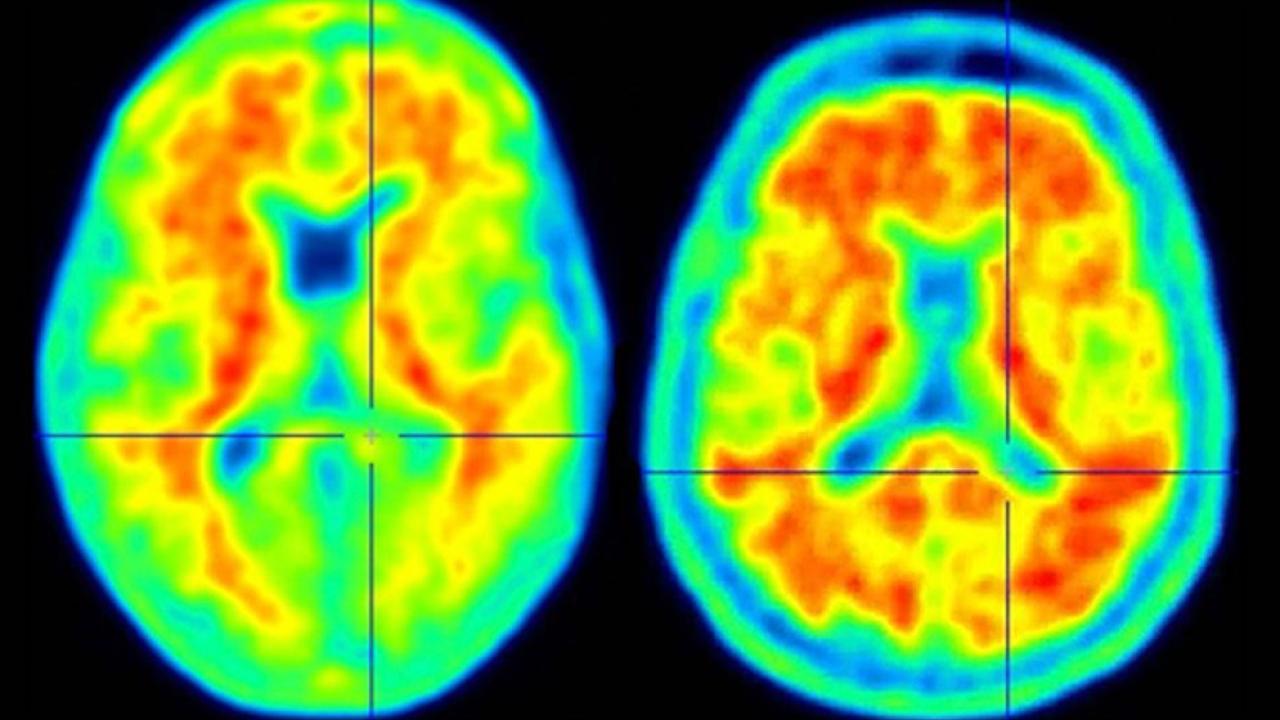
Columbia neuroscientists have identified a genetic mutation that fends off Alzheimer's in people at high risk and could lead to a new way to protect people from the disease.
Topic
-
A new type of investigational therapeutic for pancreatic cancer has shown unprecedented tumor-fighting abilities in preclinical models of the disease.
Topic



Events
- Thursday, April 25, 202410:00 AM to 12:00 PM
Venue
Online Zoom - Thursday, April 25, 202411:45 AM to 1:00 PM
- Thursday, April 25, 202412:00 PM to 1:00 PM
In The Media
-
Source:
STAT NewsApril 12, 2024“What does it mean to have a reflection of starvation in a grandparent in an offspring?” said Bianca Jones Marlin, a neuroscientist in the Zuckerman Institute at Columbia University.
-
Source:
U.S. News & World ReportApril 11, 2024“We may need to start clearing amyloid much earlier, and we think that can be done through the bloodstream,” Dr. Richard Mayeux, chair of neurology at Columbia University, said.
-
Source:
TIMEApril 8, 2024“We’re learning that pregnancy has long-term effects on the body,” says Calen Ryan, associate research scientist in the Robert N. Butler Columbia Aging Center at the Mailman School of Public Health.
Browse by Topics
Mental Health
- April 4, 2024
Study finds that postpartum depression is underdiagnosed in those reporting symptoms up to a year after giving birth, with Black and Asian individuals least likely to receive treatment.
Topic
- March 28, 2024
Columbia psychologist Erin K. Engle discusses the signs that indicate the time is right to stop therapy and questions patients should ask themselves before moving on.
Topic
- March 20, 2024
Neurodivergent people have immense strengths that are often undermined in efforts to promote normalization, says Columbia therapist Liliana Valvano.
Topic


Cancer
- April 8, 2024
A new type of investigational therapeutic for pancreatic cancer has shown unprecedented tumor-fighting abilities in preclinical models of the disease.
Topic
- April 4, 2024
Radiology is leading the way on the translation of AI tools into the clinic and cancer screening may be the first area to benefit.
Topic
- March 28, 2024
A screening tool can quickly identify cancer patients at risk of financial toxicity, new findings from Columbia Nursing researchers show.
Topic


Neuroscience
- March 20, 2024
An analysis of more than 40,000 primary sensory neurons in the skin has found multiple different types, each sensing a more complex range of stimuli than previously assumed.
Topic
- March 13, 2024
A new understanding of brain waves may help explain how the brain quickly coordinates activity and shares information across multiple regions.
Topic
- March 8, 2024
Hachung Chung’s curiosity about the immune system is now leading her to delve into a longstanding question: Why is the brain so prone to inflammation in the absence of pathogens?
Topic



Heart Health
- April 10, 2024
BeatProfiler, a new research tool invented by Columbia bioengineers with the help of AI, speeds and simplifies the analysis of engineered heart tissue in the laboratory.
Topic
- February 24, 2024
A study of people with obstructive sleep apnea suggests that high CPAP pressures may explain why the machines do not lower a patient’s risk of heart disease.
Topic
- February 21, 2024
Columbia surgeons and cardiologists came together this month on social media to celebrate American Heart Month, sharing heart-healthy tips and engaging in a heart drawing contest.
Topic



Public Health
- April 17, 2024
Project STAY brings sexual health education and STI screening to underserved people in high schools, colleges, and other locations.
Topic
- April 10, 2024
Young mothers have signs of faster cellular aging than other young women or young fathers, suggesting that pregnancy accelerates biological aging.
Topic
- April 4, 2024
Study finds that postpartum depression is underdiagnosed in those reporting symptoms up to a year after giving birth, with Black and Asian individuals least likely to receive treatment.
Topic

Campus News
- April 24, 2024
More than 200 employees participated in the CUIMC Team Relay Marathon, where teams of two to eight runners took turns running a combined 26.2 miles on The Armory’s 200-meter indoor track.
Topic
- April 22, 2024
Jonathan Dworkin, PhD, professor of microbiology & immunology at the Vagelos College of Physicians and Surgeons, has been named a fellow of the American Association for the Advancement of Science.
Topic
- April 17, 2024
More than 150 applicants accepted to Columbia’s medical school visited campus last week to get a look at what they can expect if they choose to attend VP&S.
Topic