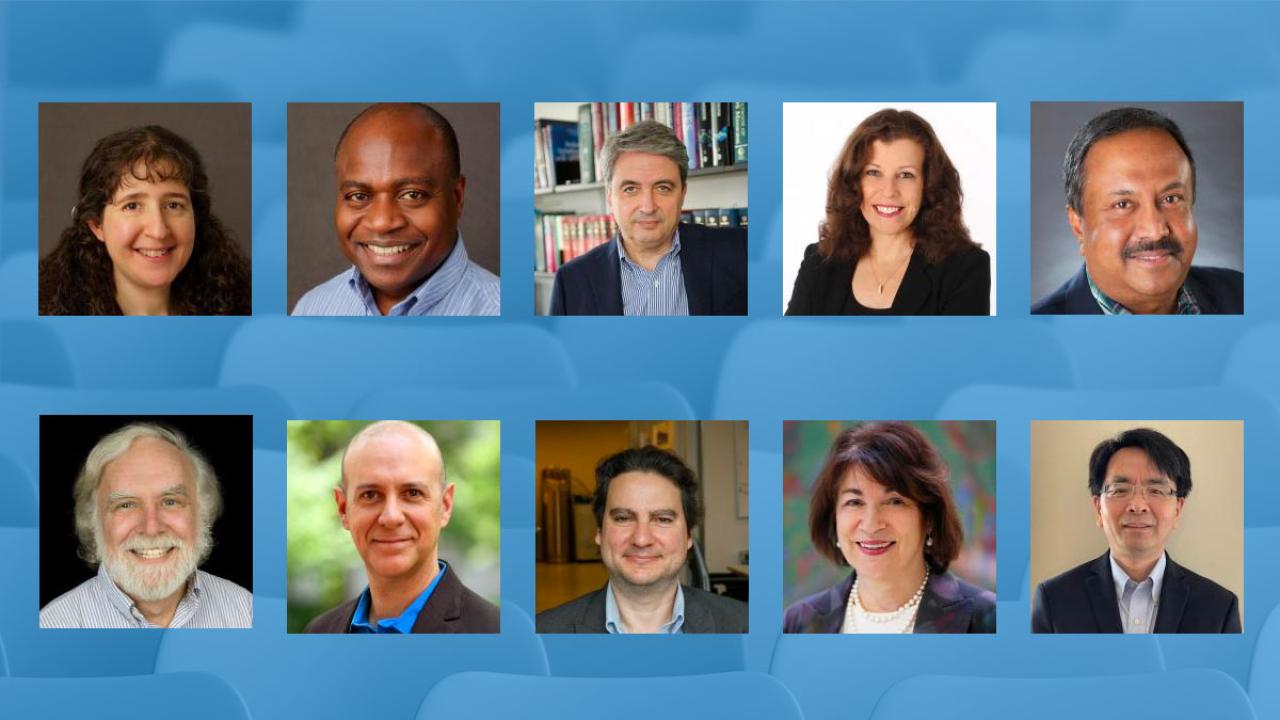
The Louisa Gross Horwitz Prize
Honoring Outstanding Research in Biology or Biochemistry
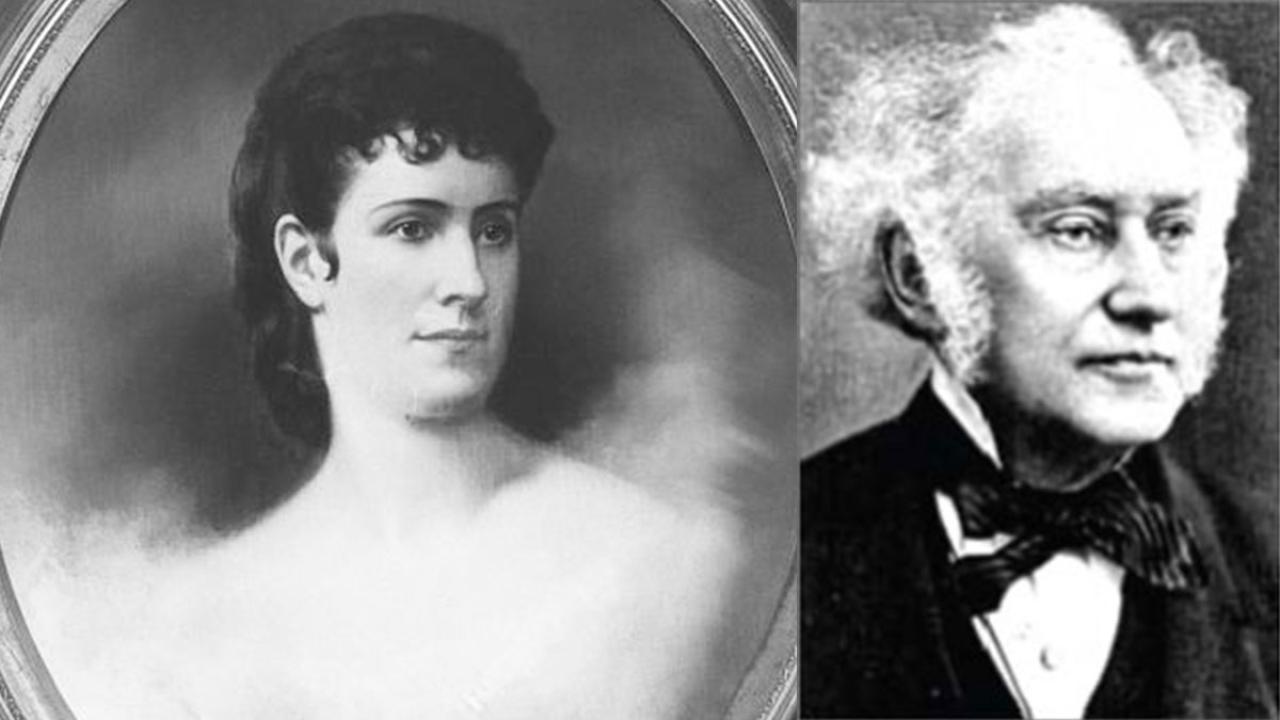
The Louisa Gross Horwitz Prize
The Louisa Gross Horwitz Prize is to honor a scientific investigator or group of investigators whose contributions to knowledge in fields of biology or biochemistry are deemed worthy of special recognition.
2023 Horwitz Prize Recipients
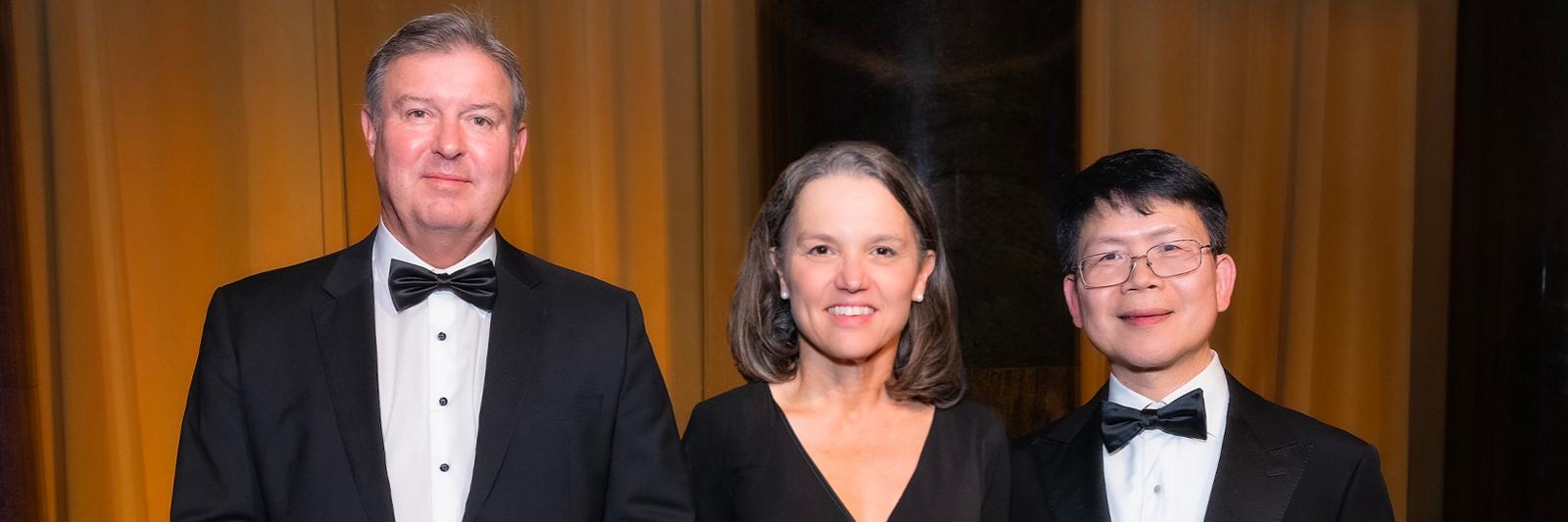
Columbia University announces Zhijian ‘James’ Chen and Glen Barber as the 2023 recipients of the Louisa Gross Horwitz Prize. For more information please read the announcement from the CUIMC Newsroom.
Zhijian ‘James’ Chen

Investigator, Howard Hughes Medical Institute, USA
Professor of Molecular Biology, University of Texas Southwestern Medical Center, USA
Zhijian ‘James’ Chen, PhD, is a professor in the Department of Molecular Biology at the University of Texas Southwestern Medical Center, USA. He is also an investigator at the Howard Hughes Medical Institute. Chen received his BS degree in biology from Fujian Normal University, China and completed his PhD degree in biochemistry at the State University of New York at Buffalo, USA. He is a member of the National Academy of Sciences and of the National Academy of Medicine, USA.
Glen Barber, PhD

Professor of Cell Biology, University of Miami Miller School of Medicine, USA
Glen Barber, PhD, is a professor in the Department of Cell Biology at the University of Miami Miller School of Medicine, USA. Barber completed his BS degree in molecular biology from the University of Portsmouth, UK, and obtained his PhD degree in molecular virology from Porton Down and the London School of Hygiene and Tropical Medicine, UK. He is a Fellow of the Royal Society of London.

Past Prize Recipients
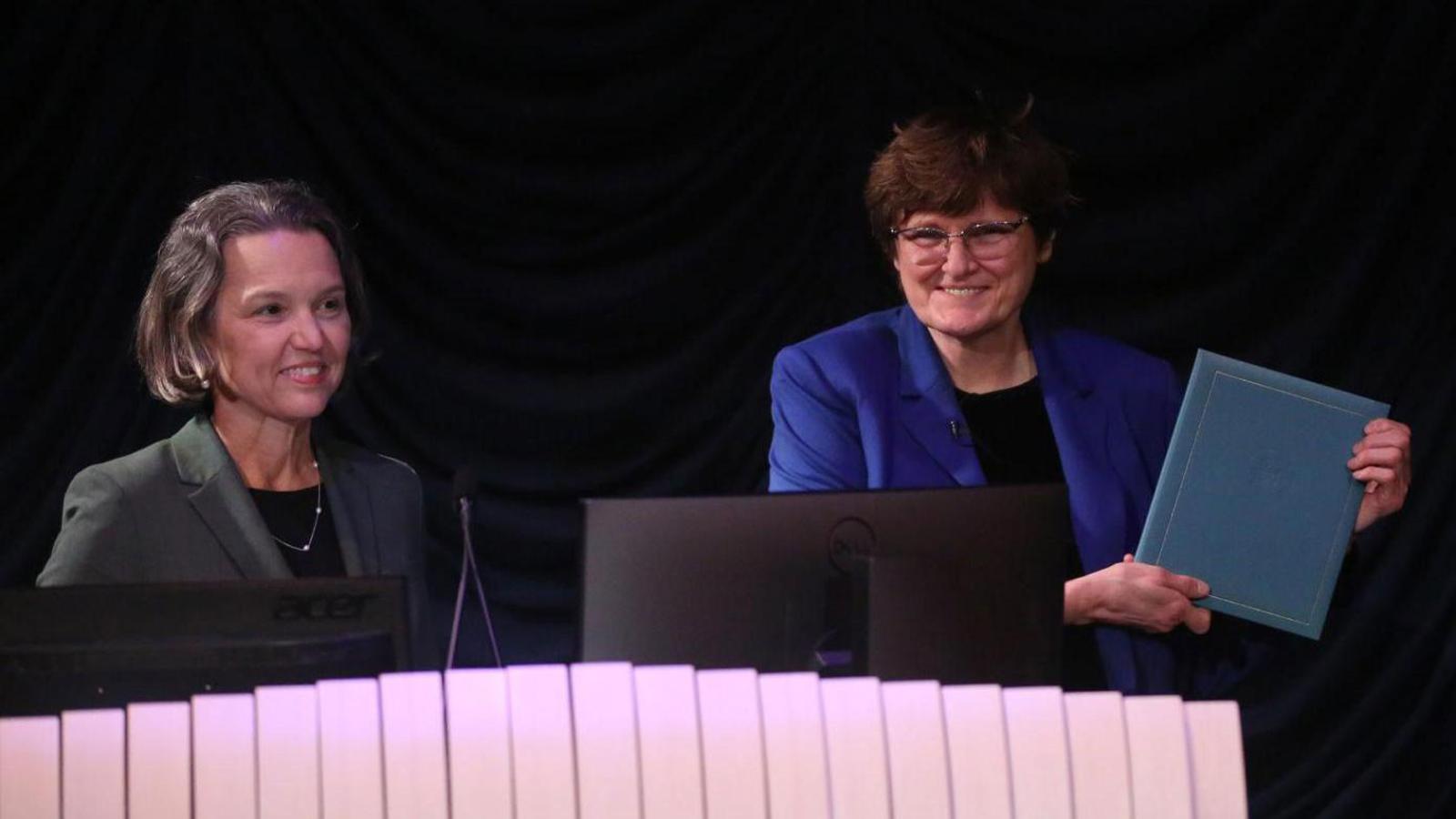
View the winners of the Louisa Gross Horwitz Prize, which is awarded by Columbia University to scientists for their outstanding basic research in biology or biochemistry.