








Columbia University
Irving Medical Center
Neurological Institute
710 West 168th Street, 3rd floor
(212) 305-1818




Taub in the News Archive
2024 - present | 2023 - 2011
-
National Hispanic Council on Aging (NHCOA) Annual Awards
December 4, 2023
Congratulations to Dr. Jennifer J. Manly for receiving a 2023 National Hispanic Council on Aging (NHCOA) Award, in recognition of her “excellence, innovation and commitment to the health of Hispanic seniors.”
-
High triglycerides linked to lower risk for dementia
United Press International
October 26, 2023
By Amy Norton
"This particular study is not enough to derive recommendations and claim with certainty that changing triglyceride levels will affect future dementia risk," said Dr. Nikolaos Scarmeas, a neurologist at Columbia University in New York City. The findings are still important, though, said Scarmeas, who cowrote an editorial published with the study. [read more]
-
New Study Finds Latinos Are More Likely to Develop Alzheimer's and Dementia
ABC 7 New York (video)
October 5, 2023
By Johny Fernandez
Dr. Miguel Arce Rentería is an assistant professor of neuropsychology at Columbia University. He says Latinos are at a higher rate of developing dementia or Alzheimer's disease, especially in areas like the Bronx. "Cardiovascular diseases, metabolic diseases, such as hypertension and diabetes, especially those types of diseases in mid-life, are associated with an increased risk of dementia later in life," Renteria said. [watch video]
Editor's Note: Dr. Arce Rentería's comments begin at 1:16. -
Zebrafish Can Repair Their Brains. Why Can’t We?
CUIMC Newsroom
August 30, 2023
Evolution is usually equated with advancement, but the most useful biological innovations aren’t always found in the “highest” organisms.
Zebrafish, for example, can continually generate new neurons in their brains, which protects these vertebrates from the ravages of neurological disease and injury. Adult humans, on the other hand, can only make a meager number of new neurons, mostly in the hippocampus (the brain’s memory center), and diseases like Alzheimer’s suppress this production even further.
Fortunately, zebrafish are giving up their secrets.
Columbia University researchers have discovered a mechanism that promotes neurogenesis in the zebrafish brain and has the potential to be activated in people.
“It’s possible that by activating neurogenesis in people with Alzheimer’s disease, we could slow the disease’s progression,” says study leader Caghan Kizil, PhD, associate professor of neurological sciences (in neurology and in the Taub Institute). [read more]
-
Eye On Vision: Study Suggests Eye Drops Are Better Than Injections as Treatment for RVO
WYPL Memphis Public Library Radio
August 11, 2023
Dr. Carol Troy, professor of pathology and cell biology and neurology (in the Taub Institute for Research on Alzheimer's Disease and the Aging Brain) at Columbia University, discusses how experimental eye drops in mice have been more effective in treating retinal vein occlusion than using eye injections. [podcast] Editor's Note: Dr. Troy's segment of the 8/13/2023 Podcast begins at 4:50.
-
FDA Grants Full Approval For New Alzheimer’s Disease Treatment
NewYork-Presbyterian Health Matters
July 28, 2023
Lecanemab, a therapy that targets amyloid proteins thought to cause Alzheimer’s disease, has been granted full approval by the Food and Drug Administration (FDA), a decision that will result in greater access to the treatment.
“Lecanemab, marketed as Leqembi, is the first drug for Alzheimer’s disease to receive approval on the basis of clinically slowing the progression of Alzheimer’s disease,” says Dr. Lawrence S. Honig, a neurologist at NewYork-Presbyterian/Columbia University Irving Medical Center. “Full approval is a major step forward.”
The Centers for Medicare & Medicaid Services (CMS) has indicated that the medication will be covered after this latest approval as long as the prescribing physician and clinical team provide information about patients in a privacy-protected registry, “a database designed to collect information about how the drug works in the real world,” adds Dr. Honig. [read more]
-
Neurologist: Alzheimer’s drug is ‘not the beginning of the end, but the end of the beginning’
CNN
July 26, 2023
Dr. Lawrence S. Honig is a neurologist at NewYork-Presbyterian/Columbia University Irving Medical Center. He is a professor of neurology at the Taub Institute for Research on Alzheimer’s Disease and the Aging Brain, and the Gertrude H. Sergievsky Center, where he directs the New York State funded Center of Excellence for Alzheimer’s Disease. Honig was an investigator for the study that led to the FDA’s approval of Leqembi and has been an investigator for, received research funding from, and consulted for Eisai, the pharmaceutical company developing lecanemab, and other pharmaceutical companies. The opinions expressed in this commentary are his own.
In early July, the US Food and Drug Administration granted traditional full approval of Leqembi (lecanemab-irmb) for the treatment of Alzheimer’s disease (AD). This is the first approved medication proven to slow the progression of AD’s clinical symptoms. A phase three trial among 50- to 90-year-old patients with early AD showed that it can do so by about 27% over an 18-month period. While we cannot extrapolate beyond 18 months, this represents about a six-month delay in progression of AD symptoms.
The drug functions by removing the amyloid beta protein that accumulates in the form of plaques in the brains of people with AD. A second disease-slowing drug, donanemab, has recently shown similar effects and may get FDA approval by the end of the year.
The development of Leqembi, building on two decades of research, is a notable success for medical science in that a disease previously impervious to any disease-modifying medical intervention now has an available, effective treatment. However, paraphrasing Winston Churchill, this is not the beginning of the end but the end of the beginning. The drug does not reverse disease symptoms or prevent progression, it slows progression. And there are considerations that make it inappropriate for many patients with AD.
It does, however, lay the groundwork for future AD medications that could alleviate suffering from this devastating disease for generations to come. [read more]
-
Second Alzheimer’s Drug is Expected to be approved by FDA
July 17, 2023
Donanemab, Second Alzheimer’s Drug to Slow Disease’s Progression May Be Approved in the U.S. This Year
CNN Online
“Donanemab was very effective at eliminating its target, cerebral amyloid, but the clinical effect was comparatively weak,” Jennifer Manly, of Columbia University Irving Medical Center, and Kacie Deters, of the University of California, Los Angeles, wrote in one editorial.
Dr. Lawrence Honig, a professor of neurology at Columbia University Irving Medical Center who had not yet seen the full donanemab results, argued that it’s scientifically and medically “unrealistic to think that the Alzheimer process will be stopped by six to 18 months of antibody treatment.” “Alzheimer’s is a chronic disease involving slow, gradual accumulation of amyloid beta forms in the brain,” he wrote to CNN in an email. “It is not likely that removing plaques over some months will prevent the disease process from progressing.” [read more]This story was also covered by: HealthDay
Eli Lilly Expects FDA Approval of its Alzheimer’s Drug This Year
The Hill
“Given the wide availability of these drugs following US Food and Drug Administration approval and the disproportionate burden of cognitive impairment and dementia due to Alzheimer disease in many of these groups, it is critical that clinicians, patients, and families understand the limits of what is known,” Jennifer Manly, of Columbia University Irving Medical Center, and Kacie Deters, of the University of California, Los Angeles, wrote in the editorial. [read more]
Second Alzheimer’s Drug in Pipeline Can Slow the Disease by a Few Months but With Safety Risk
Associated Press
Another concern: More than 90% of the study’s participants were white, leaving little data about how other populations might respond, Alzheimer’s specialist Jennifer Manly of Columbia University wrote in JAMA. [read more]
Editor's Note: This article was picked up by U.S. News & World Report, Chicago Tribune, The Baltimore Sun, Los Angeles Times, and other outlets. -
Could Drops Replace Eye Injections for Retina Disease?
CUIMC Newsroom
July 12, 2023
A new study suggests that eye drops developed by Columbia University researchers could be a more effective–and comfortable–therapy for a common eye disease currently treated with injections into the eye.
Retinal vein occlusion (RVO), an eye disease that affects up to 2% of people over age 40, occurs when a vein in the eye’s retina becomes blocked, leading to swelling in the eye, inflammation, damage to the retina, and vision loss.
Standard therapy involves injecting into the eye a vascular endothelial growth factor inhibitor (anti-VEGF) that reduces swelling. The therapy can improve vision but patients with significant retinal damage due to impaired blood flow often have poor outcomes.
“Anti-VEGF therapy has helped a lot of people with RVO, but the fear factor—having to get a needle in the eye—causes many people to delay treatment, which can lead to retinal damage,” says Carol M. Troy, MD, PhD, professor of pathology & cell biology and of neurology at Columbia University Vagelos College of Physicians and Surgeons. “There’s an opportunity to help more people with this disease that is a leading cause of blindness worldwide.” [read more]
-
First Alzheimer’s drug to slow disease progression expected to get full FDA approval
July 6, 2023
Dr. Lawrence Honig spoke with CNN Health and Gray Television Washington News Bureau following the FDA’s announcement that lecanemab (sold by Eisai as "Leqembi"), the first drug proven to slow the progression of Alzheimer’s disease (AD) in early stage patients, would be shifted to their traditional approval process. According to Dr. Honig, while many patient considerations remain, this “important advance” marks the beginning of a “new treatment era” for patients with AD.
-
The Health Benefits of a Flavanol-rich Diet: Eating Apples, Teas, and Berries Can Improve Your Memory
Fortune
May 31, 2023
“The improvement among study participants with low-flavanol diets was substantial and raises the possibility of using flavanol-rich diets or supplements to improve cognitive function in older adults,” Adam M. Brickman, PhD, professor of neuropsychology at Columbia University Vagelos College of Physicians and Surgeons and co-leader of the study, said in a press release about the study.
“Age-related memory decline is thought to occur sooner or later in nearly everyone, though there is a great amount of variability,” said the study’s senior author, Dr. Scott A. Small, the Boris and Rose Katz Professor of Neurology at Columbia University Vagelos College of Physicians and Surgeons, in the press release. [read more]
-
Cocoa Flavanols May Boost Memory, but Don’t Start Buying Chocolate
CNN Online
May 29, 2023
By Sandee LaMotte
At the end of the first year, people in the study who took the daily 500-milligram pill and who had tested in the bottom tier of flavanols “normalized” their levels of flavanols, said study co-author Dr. Scott Small, professor of neurology and director of the Alzheimer’s Disease Research Center at Columbia University in New York City. In those people, the flavanols also “restored” their age-related mental decline to levels similar to people who “had high flavanols at baseline,” he said. [read more]
Also covered by: CBS News Baltimore (video), UPI, The Guardian, New York Post, The Times (UK), and Independent (UK).
-
Multivitamin Improves Memory in Older Adults, Study Finds
CUIMC Newsroom
May 24, 2023
Taking a daily multivitamin supplement can slow age-related memory decline, finds a large study led by researchers at Columbia University and Brigham and Women’s Hospital/Harvard.
“Cognitive aging is a top health concern for older adults, and this study suggests that there may be a simple, inexpensive way to help older adults slow down memory decline,” says study leader Adam M. Brickman, PhD, professor of neuropsychology at Columbia University Vagelos College of Physicians and Surgeons.
Many older people take vitamins or dietary supplements under the assumption that they will help maintain general health. But studies that have tested whether they improve memory and brain function have been mixed, and very few large-scale, randomized trials have been done. [read more]
-
Taking a Daily Multivitamin Appears to Boost Brains of Adults Over 60, but More Study is Needed
Associated Press
May 24, 2023
By Jonel Aleccia
Millions of American adults take daily multivitamins, even though the pills have not been shown to prevent ailments like heart disease or cancer and experts say it’s better to get nutrients from food.
The latest research looks at whether taking a daily vitamin can have an effect on memory. The study found multivitamins may boost memory function in some people, by the equivalent of three years of normal, age-related memory loss.
While the study isn’t comprehensive enough to warrant broad recommendations to take vitamins, it provides important information about their use, said Adam Brickman, the Columbia University professor of neuropsychology who led the study. “Well-designed research studies are showing that there might indeed be some benefits ” to taking multivitamins, he said. [read more]
Editor's Note: This story was also covered by The Washington Post, Good Morning America, CNN Online, Fortune, New York Post, Independent, and NBC News.
-
Why Subjective Cognitive Decline is a Growing Health Issue Among Women
Columbia University Irving Medical Center
May 23, 2023
Have you thought about your memory lately?
According to the CDC, 11% of people over age 45 have subjective cognitive decline, a form of cognitive impairment that can be one of the earliest noticeable symptoms of Alzheimer's disease and related dementias. That’s 1 in 9. And while all these people are aware of the decline, few discuss it with health care providers.
Subjective cognitive decline is exactly what it sounds like. It's subjective, meaning a person notices a worsening of thinking abilities and memory, but the decline cannot be verified by standard tests.
“Neurocognitive decline is a growing public health issue, and neurologists in this area of memory care are concerned,” says Columbia gynecologist Mary Rosser, MD, PhD, who is working with Stephanie Cosentino, PhD, a Columbia neuropsychologist, to develop screening tools to detect subjective cognitive decline and more advanced forms of memory loss, including dementia, among her older patients. [read more]
-
60 Years Later, High School Quality May Have a Long-Term Impact on Cognition
Columbia University Irving Medical Center
May 2, 2023
A study of more than 2,200 adults who attended U.S. high schools in the early 1960s found that those who attended higher-quality schools had better cognitive function 60 years later.
Previous studies have found that the number of years spent in school correlates with cognition later in life, but few studies have examined the impact of educational quality.
“Our study establishes a link between high-quality education and better late-life cognition and suggests that increased investment in schools, especially those that serve Black children, could be a powerful strategy to improve cognitive health among older adults in the United States,” says Jennifer Manly, PhD, professor of neuropsychology at Columbia University Vagelos College of Physicians and Surgeons and senior author of the study. [read more]
-
Bilingualism May Stave Off Dementia, Study Suggests
The New York Times
April 28, 2023
Jaya Padmanabhan
Speaking two languages provides the enviable ability to make friends in unusual places. A new study suggests that bilingualism may also come with another benefit: improved memory in later life.
Studying hundreds of older patients, researchers in Germany found that those who reported using two languages daily from a young age scored higher on tests of learning, memory, language and self-control than patients who spoke only one language.
The findings, published in the April issue of the journal Neurobiology of Aging, add to two decades of work suggesting that bilingualism protects against dementia and cognitive decline in older people.
“It’s promising that they report that early and middle-life bilingualism has a beneficial effect on cognitive health in later life,” said Miguel Arce Rentería, a neuropsychologist at Columbia University who was not involved in the study. “This would line up with the existing literature.” [read more] -
Blood Tests May Help Physicians in Low-Resource Environments Diagnose Alzheimer Disease
CUIMC Newsroom
April 20, 2023
Columbia University neurologists are investigating a set of blood tests that, used in combination with memory tests, may help physicians correctly diagnose Alzheimer disease in low-resource environments, where 58% of people worldwide living with dementia reside.
In a new study, Columbia researchers in collaboration with local physicians recruited 746 older adults (average age of 71 years) from the Dominican Republic and the Dominican community of northern Manhattan.
“Alzheimer’s disease is one form of dementia and as more treatments emerge, developing an accurate blood test will be essential in finding people who will benefit from treatment, particularly those who lack access to more advanced diagnostic tools,” says Richard Mayeux, MD, chair of the Department of Neurology at Columbia University Vagelos College of Physicians and Surgeons and one of the study’s senior authors. [read more] -
Alzheimer’s: New Study Supports Amyloid Hypothesis But Suggests Alternative Treatment
CUIMC Newsroom
March 31, 2023
An analysis of human brain cells provides new evidence in support of the “amyloid hypothesis,” the prevailing idea that Alzheimer's is caused by the accumulation of beta-amyloid proteins in the brain.
In the study(link is external and opens in a new window), Columbia University researchers found that amyloid sparks an alliance between two proteins in the brain’s neurons and this pairing is linked to about half of the gene changes that are known to occur in the disease, triggering the rapid accumulation of tau proteins, a primary driver of neurodegeneration in the disease.
“This protein pair seems very central to the disease, and because it does not appear to have another function in the brain, it is a good target for a new therapy,” says the study’s senior author, Ulrich Hengst, PhD, associate professor of pathology and cell biology (in the Taub Institute for Research on Alzheimer’s Disease and the Aging Brain) at the Columbia University Vagelos College of Physicians and Surgeons. [read more] -
What to Know about Frontotemporal Dementia
Health Matters
February 23, 2023
Taub faculty member Dr. James Noble spoke with NewYork-Presbyterian Health Matters about "What to Know About Frontotemporal Dementia," the most common form of dementia for people under the age of 60. As Dr. Noble explains, "Among the causes of dementia, FTD is unique in that about one-third of all people with FTD will have a family history, which is suggestive of a genetic link. Several genes have been implicated in FTD, and genetic testing is more often discussed and considered in FTD than in other dementias." [read more]
-
CRAIN'S NEW YORK BUSINESS (Requires a subscription)
February 22, 2023
Columbia Gets Federal Grant to Study Link Between Diabetes and Alzheimer's
The study includes four projects designed to build on the landmark Diabetes Prevention Program Outcomes Study, said Dr. Jose Luchsinger, a professor of medicine and epidemiology at Columbia and co-principal investigator on the study. The DPPOS has been ongoing since 2002. [read more]
Editor's Note: This story was also covered by Politico. -
The Guardian
February 19, 2023
Could Alzheimer’s Be Caused By an Infection?
As Davangere Devanand, a neurologist at Columbia University Irving Medical Center, combed through the reams of scientific data on Alzheimer’s, he stumbled across a surprising idea – could an infection be involved in driving the disease? [read more] -
Their Alzheimer's Disease Didn't Worsen. Why?
— Case reports find one healthy habit in common
MedPage Today
By: Judy George
February 3, 2023
Of all the possible contributors, intense physical activity was the likely disease-modifying factor, Davangere Devanand, MD, of Columbia University Irving Medical Center in New York City, and co-authors wrote in Alzheimer's & Dementia. [read more]
-
Laugh to Remember
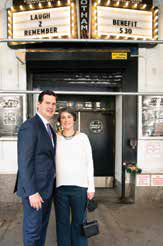 Pictured: Chris Haynes and Janine Schiavi
The sixth annual Laugh to Remember event, led by Chris Haynes and Janine Schiavi of Broadacre Financial, was held June 8 at Gotham Comedy Club to benefit Columbia’s Taub Institute for Research on Alzheimer’s Disease and the Aging Brain. The event raised $250,000 to support medical research for neurodegenerative disorders, such as Alzheimer’s, Parkinson’s, ALS, and frontotemporal dementia.
-
Navigating Life with Dementia
August 31, 2022
Navigating Life with Dementia, written by Dr. James M. Noble, an associate professor of neurology and dementia specialist in the Division of Aging and Dementia, is the latest title in the American Academy of Neurology's Brain & Life® Book series, published with Oxford University Press. In an engaging interview now featured on the Brain & Life website, Dr. Noble explains that he wrote the book “to create something that patients and their families could read at their own pace for additional information and resources, other patients' experiences, and some sense of the road ahead."
-
Columbia Joins International Genetic Study of Alzheimer’s Disease in People of Hispanic and African Ancestry
A team of investigators from the Taub Institute for Research on Alzheimer’s Disease and the Aging Brain at NewYork-Presbyterian/Columbia University Irving Medical Center (NYP/CUIMC) have joined a major international initiative, directed by the John P. Hussman Institute for Human Genomics (HIHG) at the University of Miami Miller School of Medicine, to build a resource that will expand Alzheimer’s disease genetic studies in the underrepresented African ancestry populations and Hispanic/Latinx groups. This five-year, multisite initiative also includes investigator teams from Case Western Reserve University, Wake Forest University, the University of Pennsylvania, and the University of Ibadan as the lead institution for the African Dementia Consortium (AfDC). [read more]
-
Missing Link Between Alzheimer’s and Vascular Disease Found?
CUIMC Newsroom
May 24, 2022
For more than 20 years, scientists have known that people with hypertension, diabetes, high cholesterol, or obesity have a higher likelihood of developing Alzheimer’s disease.
The conditions can all affect the brain, damaging blood vessels and leading to strokes. But the connection between vascular disease in the brain and Alzheimer’s has remained unexplained despite the intense efforts of researchers.
Now, a study led by researchers at Columbia University's Vagelos College of Physicians and Surgeons has uncovered a possible mechanism. The study found a gene called FMNL2 links cerebrovascular disease and Alzheimer’s and suggests changes in FMNL2 activity caused by cerebrovascular disease prevent the efficient clearance of toxic proteins from the brain, eventually leading to Alzheimer’s disease.
The finding could lead to a way to prevent Alzheimer’s in people with hypertension, diabetes, obesity, or heart disease.
“Not only do we have a gene, but we have a potential mechanism,” says senior author Richard Mayeux, MD, chair of neurology at Columbia and NewYork-Presbyterian/Columbia University Irving Medical Center. “People have been trying to figure this out for a couple of decades, and I think we have our foot in the door now. We feel there must be other genes involved and that we've just scratched the surface.”
Mayeux and his colleagues found FMNL2 in a genome-wide hunt designed to uncover genes associated with both vascular risk factors and Alzheimer’s disease. The search involved five groups of patients representing different ethnic groups. [read more]
-
Alzheimer’s Researchers Probe New Treatment Paths
The Wall Street Journal
By Dominique Mosbergen
May 22, 2022
The amyloid hypothesis, posited in the 1990s, proposes that amyloid-plaque formation leads to a cascade of negative effects including the accumulation of tau, inflammation, cell death and the loss of synapses, the junctions through which nerve cells known as neurons communicate with each other. “It was so compelling that it triggered the pharmaceutical industry to act,” said Scott Small, director of the Alzheimer’s Disease Research Center at Columbia University. [read more]
Editor's Note: Accessing this article requires a WSJ subscription. -
Brain Region’s Vulnerability to Alzheimer’s Tied to Recycling Problems Inside Cells
December 28, 2021NEW YORK – When Alzheimer's disease first attacks the brain, it doesn't strike randomly. The damage tends to begin in the entorhinal cortex, a tiny hub especially connected to other parts of the brain. Why this area would be particularly vulnerable is a puzzle that scientists have been trying to work out for decades.
Researchers at Columbia University may finally have a solution, one that backs a new approach to developing treatments for this devastating neurodegenerative disease. Seven years of step-by-step sleuthing has implicated retromers: microscopic mail carriers that help package, ship and recycle molecules inside of cells. The scientists report their findings December 28 in Cell Reports.
“Efforts to treat Alzheimer’s disease have focused on what Dr. Alois Alzheimer observed more than a hundred years ago, but we have come a long way since then. Retromers offer a new direction and a new hope,” said Scott Small, MD, director of the Alzheimer’s Disease Research Center at Columbia University, the Boris and Rose Katz Professor of Neurology at Columbia University’s Taub Institute and Vagelos College of Physicians and Surgeons, and an affiliate member of Columbia’s Zuckerman Institute.
Starting with the Fundamentals
Sabrina Simoes, PhD, wasn't thinking about Alzheimer's when she first began exploring retromers as an associate research scientist in Dr. Small's lab. She had been reading about how, in organisms ranging from yeast to humans, every cell contains the retromer VSP26a. But only neurons, a type of brain cell, possess a different paralog of this retromer, VSP26b. As a scientist fascinated by the fundamental biology of cells, she found her curiosity piqued.
“I thought, 'This can't be a fluke, there must be some reason neurons need this second version of this retromer,'” said Dr. Simoes, who is now an Assistant Professor of Neurology at Columbia University’s Vagelos College of Physicians and Surgeons and Taub Institute. “So I took a closer look.”
Dr. Simoes grew and stimulated neurons in a dish. Under a microscope, she saw that the 26b paralog tended to hang out in cellular compartments used to recycle molecules inside brain cells: that is, to move molecules to and from the surfaces of neurons to regulate the cells’ electrical activity. The researcher wondered what role 26b plays in different brain regions. So she started working with mice from the University of Science & Technology in Korea that had been genetically modified to disable the Vps26b gene. And she teamed up with Jia Guo, PhD, an expert in the brain scanning technology functional magnetic resonance imaging at Columbia’s Zuckerman Institute.
A Surprising Scan
Dr. Guo used fMRI machines specially made for small animals to noninvasively scan the brains of the modified lab mice. He noticed something peculiar: a lack of activity in one small, sharply defined area in their brains, as compared to the brains of normal mice.
“I have never seen an fMRI imaging result in humans or other animals that was so striking, such a focused spot,” said Dr. Guo, an assistant professor in Columbia's Department of Psychiatry. “Normally, the differences in brain activity we see are fuzzy and diffuse.”
That spot coincided with a sliver of the entorhinal cortex brain region. When the researchers then directly measured the electrical activity of neurons in that area using electrodes, they found deficits, confirming the fMRI results. The mice also had trouble completing memory-related tasks known to involve the entorhinal cortex. Reintroducing working copies of Vps26b into the mice completely fixed these problems.
With all signs pointing to a link between the retromer and the entorhinal cortex, Simoes' fundamental cell biology work had been connected with Alzheimer's disease. That’s because neurological diseases have different hallmarks. Parkinson's starts in the substantia nigra, a brain region important for controlling the body. Huntington's first affects the striatum, related to rewards. And Alzheimer's, as has been known for decades, tends to set its sights on the entorhinal cortex.
“The evidence built up that this retromer variant, linked to cellular recycling, was crucial for proper brain function in the entorhinal cortex,” said Dr. Simoes. “This brain region's role in Alzheimer's led us to investigate whether the paralog could be related to the disease.”
Introducing SORL1
While the researchers were hard on the retromer's trail, another clue emerged. In 2007, a team that included Columbia’s Richard Mayeux, MD, MSc, chair of neurology at Columbia University Vagelos College of Physicians and Surgeons, had found a new gene connected to Alzheimer's. Mutations in this SORL1 gene were associated with late-onset Alzheimer's, which afflicts people over the age of 65, and SORL1 has emerged as one of the most damaging genes in the disease. Dr. Small and colleagues first found that the SORL1 protein is part of the same molecular shipping system associated with retromers.
Hoping to further connect this gene to their retromer variant, Dr. Small and his team checked their mice and found a deficiency of SORL1 in the entorhinal cortex. The scientists also examined brains donated by people diagnosed with Alzheimer’s and found a striking pattern: Tissues in the entorhinal cortex were depleted in both SORL1 and Vps26b.
Putting all these pieces together suggests that Alzheimer’s might begin with problems with a neuron’s ability to move molecules around. Scientists know the entorhinal cortex, a hub in the brain, forms an unusually large number of connections with other parts of the brain. These connections and the activity they generate could stimulate a lot of molecular recycling, making the entorhinal cortex especially susceptible to disruptions in these processes. For Dr. Small, these results hold promise for developing new treatments.
“Anchored in genetics and revealing that retromer dysfunction and SORL1 deficiency can explain the regional vulnerability we see in Alzheimer’s disease, this work validates the idea that retromer-enhancing drugs are worth pursuing for Alzheimer's disease therapeutics,” he said.
###
“Alzheimer’s vulnerable brain region relies on a distinct retromer core dedicated to endosomal recycling” appeared on December 28 in Cell Reports. Authors are Sabrina Simoes, Jia Guo, Luna Buitrago, Yasir H. Qureshi, Xinyang Feng, Milankumar Kothiya, Etty Cortes, Vivek Patel, Suvarnambiga Kannan, Young-Hyun Kim, Kyu-Tae Chang, Alzheimer’s Disease Neuroimaging Initiative, S. Abid Hussaini, Herman Moreno, Gilbert Di Paolo, Olav M. Andersen, and Scott A. Small.
The authors declare competing financial interests: Scott Small is a co-founder of Retromer Therapeutics, has equity in the company, and is a paid consultant to the company. In addition, Scott Small has equity in Imij Technologies, an MRI-based company. Gilbert Di Paolo is a full-time employee of Denali Therapeutics, Inc. Olav M. Andersen has commercial interests in Retromer Therapeutics. Lastly, Scott Small, Sabrina Simoes, and Yasir H. Qureshi are listed as co-inventors on Columbia University-owned patents that relate to retromer biomarkers and retromer drug discovery targets.
This study was partly supported by NIH R01 grants AG034618, AG035015, and P30AG066462 to S.A.S., NS056049 to G.D.P. and AG051556 to H.M. Human MRI data collection and sharing for this project were funded by the Alzheimer’s Disease Neuroimaging Initiative (ADNI) (NIH Grant U01 AG024904) and Department of Defense 409 ADNI (award number W81XWH-12-2-0012). Data collection and sharing for this project was partially funded by the ADNI (National Institutes of Health Grant U01 411 AG024904) and DOD ADNI (Department of Defense award number W81XWH-12-2-412 0012). ADNI is funded by the National Institute on Aging, the National Institute of Biomedical Imaging and Bioengineering, and through generous contributions from the following: AbbVie, Alzheimer's Association; Alzheimer's Drug Discovery Foundation; Araclon Biotech; BioClinica, Inc.; Biogen; Bristol-Myers Squibb Company; CereSpir, Inc.; Cogstate; Eisai Inc.; Elan Pharmaceuticals, Inc.; Eli Lilly and Company; EuroImmun; F. Hoffmann-La Roche Ltd and its affiliated company Genentech, Inc.; Fujirebio; GE Healthcare; IXICO Ltd.;Janssen Alzheimer Immunotherapy Research & Development, LLC.; Johnson & Johnson Pharmaceutical Research & Development LLC.; Lumosity; Lundbeck; Merck & Co., Inc.; Meso Scale Diagnostics, LLC.; NeuroRx Research; Neurotrack Technologies; Novartis Pharmaceuticals Corporation; Pfizer Inc.; Piramal Imaging; Servier; Takeda Pharmaceutical Company; and Transition Therapeutics. The Canadian Institutes of Health Research is providing funds to support ADNI clinical sites in Canada. Private sector contributions are facilitated by the Foundation for the National Institutes of Health (www.fnih.org). The grantee organization is the Northern California Institute for Research and Education, and the study is coordinated by the Alzheimer's Therapeutic Research Institute at the University of Southern California. ADNI data are disseminated by the Laboratory for Neuro Imaging at the University of Southern California.
Source: Columbia Zuckerman Institute
-
Prevention
By Marisa Cohen
October 26, 2021
How Is Alzheimer's Disease Treated?
Whichever medication is prescribed, doctors will usually start the patient on a low dose and increase the amount based on how well they tolerate the drug (side effects may include nausea, fatigue, loss of appetite, constipation, and headache). “Sometimes there will be a mild improvement right away, in terms of being able to recall memories that the patient wasn’t remembering before,” says Elise Caccappolo, Ph.D., an associate professor of neuropsychology at Columbia University Irving Medical Center. “It’s a little bump that usually lasts around six months, and then they usually plateau,” she explains. [read more]
-
The Wall Street Journal
By Emily Bobrow
July 8, 2021
‘Forgetting’ Review: The Balm of Oblivion
There is a robust market for books that praise our seemingly feeble habits of mind. Authors have lately offered empirical support for the benefits of everything from swearing to grumpiness. Now Scott Small, the director of the Alzheimer’s Disease Research Center at Columbia University, joins this merciful bunch with his own upbeat take on one of our more profound mental shortcomings: forgetfulness [read more (PDF)]
-
STAT
June 4, 2021
A landmark Alzheimer’s drug approval would likely deepen racial inequities in dementia care
Other researchers are not convinced that these biomarkers vary by race, primarily because so little Alzheimer’s research has been conducted on Black and Latinx people. “We don’t know these differences exist and the reason we don’t know is we have an inequitable system,” said Jennifer Manly, a professor in the Columbia University neurology department who studies predictors of Alzheimer’s disease in Black and Hispanic populations. “Not only has research been occurring in clinics with mostly white people, the research is occurring on mostly well-educated and well-resourced white people.” [read more]
-
CUIMC NEWSROOM
March 30, 2021
Dementia and COVID: What Families and Physicians Should Know
Early in the pandemic, neurologists expressed concern that COVID-19 patients with dementia may be at higher risk for complications and mortality.
But those fears have not been realized, according to a new study of patients who were hospitalized with COVID-19 during the first wave of the pandemic in New York City. The study, led by James Noble, MD, MS, associate professor of neurology at Columbia University Vagelos College of Physicians and Surgeons and the Taub Institute for Research on Alzheimer’s Disease and the Aging Brain, and Amro Harb, a Vagelos medical student, was published this month in the Journal of Alzheimer’s Disease [read more]
-
CUIMC NEWSROOM
February 18, 2021
A New Way to Prevent Nerve Damage Caused by Chemotherapy?
About 60% of cancer patients treated with chemotherapy develop painful nerve damage but no drugs exist to prevent this complication.
Now a new study—that identifies how one agent causes nerve degeneration—may lead to the development of the first drugs to prevent peripheral neuropathy and identify people who may be at greatest risk of developing the condition. [read more]
-
NEWSWEEK
By Adam Piore
December 7, 2020
A 73-Year-Old-Woman Who Should Have Gotten Alzheimer's, Didn't—Revitalizing a Search for the Cure
Dr. Eric Reiman can't reveal the identity of the 73-year-old woman from a rugged mountain town outside Medellin, Colombia, who arrived at Boston's Logan Airport a couple of years ago for tests at Harvard Medical School. But he will say this: Finding her may well be among the most surprising developments to emerge from a nearly three-decade-long study of Colombians cursed with a gene that usually dooms its victims to full-blown Alzheimer's disease by the age of 50.
The Colombian woman is just the latest piece of evidence to emerge suggesting that the causes of Alzheimer's disease are far more complex and heterogeneous than previously understood. Despite a brain scan that revealed more amyloid-beta plaque deposition than many of her doctors had ever seen, her cognitive abilities were only mildly impaired. Which is why, even as the list of failed treatments continues to grow, many in the field have found cause for renewed optimism.
This hope is fed by an explosion in technological innovations in gene sequencing, data analysis and molecular biology, which are allowing scientists to study the progression of the disease earlier and in far more detail than previously possible. It's also fed by money: the National Institutes of Health is expected to spend $2.8 billion on Alzheimer's research in 2020—a six-fold increase since 2011, when Congress passed legislation directing the NIH to come up with an aggressive and coordinated plan to accelerate research with the ambitious goal of coming up with a way to prevent and effectively treat Alzheimer's by 2025.
That ambition reflects a growing urgency on the part of an aging public, their doctors and public health officials. By the year 2050, the number of Americans with the disease will double to 14 million, with a projected cost in treatment and care that, by some estimates, will top $2 trillion—10 percent of the present U.S. GDP. Scientists are racing to diffuse a ticking demographic time bomb. Although the field seems unlikely to meet the 2025 deadline, what researchers have learned in the past few years has given them a far more detailed and nuanced understanding of the disease. And it is raising hopes that we are finally getting closer to cracking Alzheimer's disease.
What made the Colombian woman special was not just what doctors discovered when they first scanned her brain to measure the buildup of amyloid-beta, the sticky plaques long suspected of playing a key role in the devastating cognitive decline seen in advanced Alzheimer's disease. She had the highest levels they'd ever recorded. What made the woman so special was that—despite those plaques—she seemed almost normal for her age.
"Nobody's at higher risk for Alzheimer's than she would have been," says Reiman, a neuroscientist at the Banner Alzheimer's Institute in Phoenix, who has spent the last three decades studying the loosely related, 6,000-person family cohort she belongs to in Colombia. "But she developed mild cognitive impairment about three decades after the average age in her family. And she still hasn't developed Alzheimer's dementia."
The Colombian woman's case is a potent testament to both the tantalizing promise—and the enormous frustration—that have come to characterize the pursuit of drugs to treat Alzheimer's disease. In two decades, the pharmaceutical industry has spent $600 billion in pursuit of drugs, focusing with almost single-minded intensity on compounds designed to safely reduce or prevent the buildup of deadly plaques that are one of its primary hallmarks.
Attacking plaque is precisely the point of the new Alzheimer's drug aducanumab, made by the drug maker Biogen, which was being tested in two separate clinical trials. High-ranking officials at the U.S. Food and Drug Administration have supported the drug and recently called preliminary trial results "highly persuasive." But in early November, a panel of independent experts, convened by the FDA to review data from ongoing trials, contradicted this assessment. They cited conflicting data—one trial showed a mild therapeutic effect, another trial showed none—and a lack of efficacy. "The totality of the data does not seem to provide sufficient evidence" of effectiveness, declared one of the FDA's own statisticians in a report. An FDA advisor, Dr. David Knopman of Mayo Clinic, called for a new clinical trial. "Contrary to the hope that aducanumab will help Alzheimer patients," he wrote in a report, "the evidence shows it will offer improvement to none, it will harm some of those exposed, and it will consume enormous resources."
Even if the FDA were to contravene its own experts and approve aducanumab in March, the drug appears unlikely to live up to the early promise of the class of drugs that stave off Alzheimer's by interfering with the accumulation of plaque in the brain. With aducanumab, Biogen's approach reflects the dominance of a theory called the "amyloid cascade hypothesis," which argues that amyloid-beta plaques are the first step in the condition—the kindling that eventually ignites into the fire that causes the massive cell death and memory and thinking problems that make Alzheimer's such a devastating disease. But that theory has been losing steam for years, as the case of the Colombian woman suggests.
Plaque Distraction
From the beginning, there was good reason to suspect the thick plaques that characterize the disease might also be their cause. In 1901, a 50-year-old woman named Auguste Dieter was placed under the care of Dr. Alois Alzheimer at the Frankfurt Psychiatric Hospital with an inexplicable set of symptoms, which included memory loss, disorientation, hallucinations, aphasia and delusions. "I have lost myself," she lamented shortly before her passing in 1906, according to Alzheimer's meticulous notes.
In an autopsy, Alzheimer noted the buildup of dark clumps of plaques formed by protein fragments known as amyloid-beta, along with the other two symptoms that are now considered the primary physical hallmarks of the disease that bears his name: the tangles of stringy protein molecules known as tau that clog up the space between brain cells and disrupt normal cell function, and massive cerebral atrophy caused by the death of the gray matter we rely upon to think, feel and live.
Still, the modern age of Alzheimer's research wouldn't begin until decades later, when Robert Katzman, a prominent UCSD neurologist, penned an 1978 editorial arguing that the obscure condition known as "Alzheimer disease"—a term previously reserved for those developing dementia before age 65—was actually the primary cause of what was then known only as senility. By that measure, Katzman argued, Alzheimer's disease ranked as the fourth or fifth most common cause of death in the United States and thus constituted a vastly overlooked public health challenge. In the years that followed, the first patient interest groups began to mobilize and the newly established National Institute of Aging began pouring resources into research.
Then came the discovery and study of families carrying rare mutations, like those seen in the mountains outside Medellin, Colombia, that caused them to develop the symptoms of full-blown Alzheimer's disease far earlier than elsewhere. Using the genetic tools available at the time, researchers throughout the 1990s homed in on specific mutations that appeared to be present only in family members who had developed early-onset Alzheimer's—mutations that were entirely absent in close relatives spared by the disease. Virtually all the genetic typos seemed to appear on genes that could be directly linked to the buildup of the amyloid-beta plaques in the brain.
These discoveries were among the most compelling evidence for the amyloid hypothesis, which by the early 2000s had become the dominant model used to explain how and why Alzheimer's disease progresses. And with the advent of brain scanning technologies that allowed clinicians for the first time to measure the plaques in the brains of living people, it suddenly seemed possible to track this accumulation in real time.
The implications were clear: if scientists could develop a drug capable of countering the accumulation of plaques, we could halt the progression of Alzheimer's, and the heartbreaking cognitive decline that came with it, in its tracks. "I was a student at the time—and they were heady times," recalls Scott Small, a neurologist who directs the Alzheimer's Disease Research Center at Columbia University. "We thought we had it figured it all out."
Unfortunately, things have not proven that simple. Between 1998 and 2017, there were 146 unsuccessful attempts to develop medicines to treat and potentially prevent Alzheimer's, according to a 2018 report put out by the Pharmaceutical Research and Manufacturers of America (PhRMA), the vast majority focused on the amyloid hypothesis. (The last Alzheimer's medication to receive FDA approval was Namenda in 2003, a drug that aims to temporarily boost cognitive performance by boosting the chemical messengers in the brain known as neurotransmitters).
The list of disappointing drugs that promised to cure or slow the progression of the disease is long. There was, for instance, Pfizer and Johnson & Johnson's bapineuzumab, a monoclonal antibody designed to bind to amyloid-beta. In 2012, the study's principal investor at Harvard declared human trials had produced "absolutely no evidence at all of a clinical benefit of treatment on either of the primary measures, one cognitive and one functional" in 1,100 patients with mild to moderate symptoms of the disease. Another widely anticipated drug, semagacestat, was halted after some recipients developed skin cancer and their cognition declined. In 2016, Eli Lilly & Co's solanezumab, "did nothing to improve cognition" in the phase 3, placebo-controlled trial of 2,129 patients with mild Alzheimer's disease who took the medication for more than a year.
The latest shining hope has been aducanumab, a drug whose on-again, off-again journey toward approval seems to encapsulate the infuriating ambiguity of the present moment. In 2016, the drug, developed by Biogen and Eisai, made the cover of Nature Magazine after researchers announced it had slowed cognitive decline and reduced plaques in the brains of a small group of study participants. In 2018, massive phase 3 trials kicked off in clinics around the globe, slated to finish in 2021. In March 2019, Biogen announced that a preliminary look at the results, known as a "futility analysis," had shown the medicine wasn't working as it should on the more than 3,000 hopeful early stage Alzheimer's patients participating in the study. They shut the trial down two years early and declared it a failure.
-
FORBES
By Caroline Seydel
November 10, 2020
How Epigenetics Could Turn Things Around for Alzheimer’s Disease
Last Friday, an FDA advisory panel voted unanimously against recommending the Alzheimer’s drug aducanumab. Based on evidence from two clinical trials, they found that the data did not show that the drug effectively treats Alzheimer’s disease. Remarkably, however, the panel agreed that the drug does appear to reduce the brain protein thought to cause the disease. What’s going on?
Despite hundreds of clinical trials conducted, no new Alzheimer’s drugs have been approved in almost two decades. Many of these attempts have centered on reducing two Alzheimer’s-associated proteins in the brain, called beta amyloid plaques and tau tangles.
Maybe these drugs aren’t working because something else causes the disease, besides beta amyloid and tau. Some researchers are working a different angle, called epigenetics, to try to find a way to stop the disease.
Genetics considers a person’s DNA sequence, and epigenetics looks at how the cell turns genes on and off. By comparing the genes that are activated in healthy people versus those with Alzheimer’s, researchers hope to understand how healthy aging changes the brain — and how certain changes open the door to disease. Research teams around the world have identified significant epigenetic changes associated with Alzheimer’s disease, and these changes may be modifiable with medications.
Epigenetics changes with age
Shelley Berger is the founding director of the Epigenetics Institute at University of Pennsylvania. She’s studying how genes are turned on and off in the brain, and how different patterns of gene activation could be related to Alzheimer’s disease.
Every single cell in your body has the same set of genes. For instance, the gene responsible for producing insulin is present in all your cells, but it’s only active in certain cells in the pancreas. That’s because cells have chemical signposts that they plant in the DNA, to mark which genes should be switched on. Epigenetics is the study of how cells use these chemical signposts.
All sorts of things can change your epigenetic profile, including environmental exposures and aging. There’s a concept called an “epigenetic clock”: you can pretty closely guess a person’s age by looking at the epigenetic changes in their DNA.
Berger and her team compared the epigenetics of brain cells from three populations: older people with Alzheimer’s disease, older people without Alzheimer’s disease, and healthy people younger than 65.
“Most people in the field of Alzheimer’s disease compare cognitively normal, age-matched samples to Alzheimer’s disease samples,” she said. “That’s interesting, that tells you what kind of changes happen in disease.” By also looking at gene expression in young brains, Berger and her colleagues singled out changes that happen naturally with healthy aging.
“We find that there are some changes that happen in the cognitively normal aged brain that are protective, that actually help to maintain healthy aging,” Berger said. The study also discovered that those protective changes do not occur in people with Alzheimer’s disease.
How the signposts work
If the cell’s DNA was laid out full-length, it would stretch from your head to your toes. To cram all that into the cell, and keep it organized, the DNA is tightly wrapped around proteins called histones. Adding molecules called acetyl groups to the histones can loosen up the package, allowing the cell’s DNA-reading tools to get in there and activate the gene.
By looking at where these acetyl group signposts were added at different stages, Berger found clues to how genes are activated differently in Alzheimer’s disease than in healthy aging. She found acetyl groups improperly placed at two very interesting spots: they were directing the cell to make more of a molecule, called an enzyme, that adds the acetyl groups to the histones.
“There are different enzymes that put the acetyl group on the packing material,” said Berger. In this case, she said, “It’s kind of a feed-forward mechanism, where the enzyme is leading to more activation of its own gene.”
It may be possible to develop drugs to stop that self-activating pathway, as there are compounds known to inhibit the enzyme doing the work. But that would be a long way down the road, Berger said.
Two paths to the same endpoint
New findings in epigenetics will more than likely tie into what’s already been learned about the disease genetics. Jonathan Mill, an epigeneticist at the University of Exeter, UK, led a similar study, looking for epigenetic signals in Alzheimer’s patients.
Researchers know Alzheimer’s disease has a genetic component, but it’s still not well understood. People who inherit certain genetic mutations, such as in the ApoE gene, develop Alzheimer’s at a young age. This is called familial or early-onset Alzheimer’s, and it’s fairly rare. Far more often, the genetic cause of the disease is more subtle and distributed among many genes that each exert a tiny effect. This is called sporadic Alzheimer’s, and it usually comes on a little later, with symptoms arising after age 65 or so.
In patients with sporadic Alzheimer’s, Mill detected a curious pattern. Comparing the differences in the acetyl groups in the DNA from healthy and Alzheimer’s brains, he found the changes were congregating around genes that are known to be damaged in early-onset familial Alzheimer’s.
“The endpoint is similar, and there’s many ways you can get there,” he explained. Mutations in the gene itself can cause it to no longer function: that’s what happens in early-onset cases. “The other way is altering the way the genes are expressed,” Mill said. “That’s probably by disruptions in the epigenetic signatures.”
Unlike genetic mutations, changes in the epigenetic signature can come and go over the course of a lifetime. Just as healthy aging causes natural epigenetic changes, environmental factors can alter epigenetic signals.
“It’s really clear that lots of things in the environment probably have effects on gene expression via epigenetic changes,” Mill said. One major contributor? Smoking. “It’s pretty amazing—I could pretty accurately work out who was a smoker and who wasn’t, based on their epigenetic profile.”
This fluidity is good, because it means we could potentially change our epigenetics with medication. And indeed, drugs already exist that can rearrange the epigenetic signposts in our genome. Whether this can effectively treat disease, however, depends on whether the epigenetic changes are causing the disease — or are a result of it.
"What we don’t know is whether the signature that we’re seeing is something to do with the onset, or a consequence of the pathology,” as Mill puts it.
Tau protein influences epigenetics
One distinctive feature of Alzheimer’s disease is long strings of protein, called tau tangles, that gather like dust bunnies inside neurons. Brain cells do normally contain tau, but in Alzheimer’s disease, it stops doing its job and instead forms tangled masses that eventually kill the cell.
It turns out that tau tangles can alter the epigenome. Philip De Jager, a neurologist at Columbia University in New York, investigated what epigenetic changes occurred in the presence of tau tangles.
De Jager and his team found that the tau tangles cause the tightly packed DNA to become disorganized — in a predictable, reproducible way. The researchers were able to induce the epigenetic changes in lab-grown neurons by adding tau tangles to the cells.
“By increasing expression of tau, we were able to generate some of the same changes in the epigenome in the lab that we saw in the actual brain,” De Jager said.
What’s exciting is that De Jager and his team were also able to stop tau from effecting these changes, using a drug candidate that inhibits a protein called Hsp90. Hsp90 may play a role in helping tau form those long tangles that build up in the cell, so blocking it with a drug could prevent tangle formation and thus stave off the epigenetic changes.
Tau may influence epigenetics, but epigenetics may also contribute to tau buildup. In a preprint earlier this year, De Jager’s group proposed another way that epigenetic changes could influence brain health: via the immune system. Immune cells called microglia help support neurons, cleaning up cellular debris, helping the brain recover after a stroke, and stopping beta amyloid plaques from forming. “In Alzheimer’s disease, with relation to amyloid, they seem to not be working quite as well as they should,” said De Jager. “Later, when tau begins to accumulate, it appears that the problem is that they’re overactive.” At that stage, the microglia begin releasing chemicals that may accelerate the buildup of tau.
Remember the genetic mutation in the ApoE gene, the one that causes early-onset, familial Alzheimer’s disease? It turns out that not everyone with that mutation ends up getting the disease. De Jager’s group tested people who had two damaged copies of ApoE but remained dementia-free in their 80s. Those people carried epigenetic factors that somehow make up for that mutation, reducing the risk of the disease. These factors influenced the activation of genes in the microglia, suggesting that they may restrain the microglia from promoting tau accumulation.
Because the brain is uniquely difficult to study, advances in Alzheimer’s disease have been a long time coming. With the power of modern genetic and epigenetic technology, some of the mysteries surrounding this devastating disease are beginning to open up. New understanding of how the complex tapestry of epigenetic changes impacts brain health will, hopefully, bring new insights into ways to slow or stop the disease.
-
CUIMC NEWSROOM
October 7, 2020
Spotlight on Miguel Arce Rentería, PhD
Columbia University Irving Medical Center believes that excellence, diversity, and inclusivity are inextricably linked and that different experiences, perspectives, and values are essential elements that enrich every dimension of our work. A diverse faculty facilitates culturally competent medical education and clinical care and also brings important and different perspectives to the research agenda.
In recognition of Hispanic Heritage Month, CUIMC News will feature profiles of faculty members who are helping the medical center achieve excellence in research, education, and patient care.
Miguel Arce Rentería, PhD, is an associate research scientist and clinical neuropsychologist at the Taub Institute for Research on Alzheimer’s Disease and the Aging Brain and the Department of Neurology at the Vagelos College of Physicians and Surgeons. He grew up in Tijuana, Mexico, and was the first in his family to immigrate to the United States.
Arce trained as a neuropsychologist at Fordham University before joining Columbia as a postdoctoral fellow in the laboratory of Jennifer Manly, PhD, professor of neuropsychology in the Department of Neurology.
His research investigates the sociocultural and environmental determinants of disparities in cognitive aging and Alzheimer’s disease and related dementias (ADRD). His current focus has been on determining factors of reserve and resilience to ADRD among racial/ethnic minorities, such as understanding the role of bilingualism, literacy, and quality of education.
In 2019, his study published in Neurology revealed a connection between illiteracy and dementia and was covered in multiple media outlets including the New York Times, CNN, and Scientific American.
The interview below has been edited for brevity.
What is it about neuropsychology that you fell in love with?
While in high school in Tijuana, I got interested in psychology and I knew I wanted to do research in psychology, though I didn't know what kind of research exactly. In college, I had a wide range of different research experiences and in my last year, I was introduced to a neuropsychologist and neuroAIDS disparities research. And I was blown away; it just seemed so cool.
Neuropsychologists specialize in understanding the relationship between brain and behavior. For instance, we evaluate how neurological conditions like Alzheimer’s disease affect behavior. Most anything that impacts the brain will have some kind of cognitive or behavioral consequence, and so we help evaluate patients and provide their referring physicians with guidance on potential etiologies, treatment recommendations, and information on their psychosocial functioning. As neuropsychologists, we can also provide cognitive remediation therapy, among other clinical interventions, to help patients learn to adapt to cognitive changes related to brain injury or surgical resection as their lives move forward.
In our role as scientists, we provide expertise into the measurement of cognition and behavior and how health and sociocultural factors influence performance.
I liked how it’s a multidisciplinary approach. Both clinical practice and research in neuropsychology allow you to work with a diverse medical and academic team of neurologists, geneticists, social workers, epidemiologists, etc.
How did you become interested in disparities research?
My interest in disparities in cognitive aging research comes from recognizing that certain groups are more vulnerable to developing Alzheimer’s disease and related dementias. Blacks and Latinos, for example, tend to have higher rates compared with non-Hispanic whites, and I find that fascinating. What's driving these differences?
Being part of the Latinx community, I want to help figure out what's causing this and what can we do about it, if there's anything we can do to effect change.
A lot of the work we do is trying to understand early life experiences and how that influences development of these diseases.
What do you hope comes out of your recent work showing illiteracy increases the chance of developing dementia?
A big take-home message for me on our work with literacy and dementia risk is to highlight the importance of early life experiences and their impact on late-life health. Educational opportunities are largely policy and socially determined and may provide a potential source of intervention to narrow disparities in cognition and brain health.
The next step, at least for me, is to understand other potential factors of reserve and resilience, specifically among Latinx adults. I’m currently funded through an NIA K99/R00 grant to explore whether bilingualism can provide some form of resilience to cognitive aging among Latinx. My approach involves characterizing different aspects of bilingualism, such as frequency of dual language use and code-switching, among others. The preliminary results seem exciting.
What recommendations do you have for institutions like VP&S and CUIMC that are working to strengthen their diversity?
I think it would be really helpful to see diversity represented in leadership positions. Currently, most leadership positions across VP&S and CUIMC do not seem to be held by individuals from diverse racial/ethnic backgrounds, so I do not feel myself represented and do not feel that those opportunities are for me. That doesn’t stop me from striving and working hard to eventually obtain such a position, but I am not sure if that’s a goal of the institutions.
A way that CUIMC could strengthen diversity is by hiring faculty from diverse backgrounds, providing them with leadership opportunities, and further supporting disparities research. A critical thing to keep in mind when hiring diverse faculty is to be willing to accommodate the needs of potential diverse faculty. For instance, for me as a first generation individual in the U.S., with little to no financial support from family, my entire academic career has been extremely expensive, and I had to incur debt beyond that of my peers. I am barely at a place now where I’m not living paycheck to paycheck and can begin to consider something like a savings account. Hopefully at the time of hire, if the institution is interested in hiring diverse faculty with a focus on disparities research, then they may consider the unique needs of potential candidates.
Lastly, the focus on supporting health disparities research is a no-brainer. What better way to strengthen diversity than helping scientists understand the causes and ways to reduce health disparities that largely impact diverse communities?
Bringing diverse faculty on board will help bring awareness to issues that may not be easily apparent unless you’re from and interact with communities disproportionately impacted by health disparities. Similarly, given that we’re an academic medical center, we should be able to meet the needs of the surrounding community. For instance, I recently had to bring my wife to the medical center, and I was shocked to see that several of the COVID-related messages I saw were not translated correctly to Spanish. The Spanish messages had grammatical errors and were somewhat confusing. That was incredibly disappointing to see, especially keeping in mind that we’re in the Heights where there's a Spanish-speaking majority.
What do you like to do outside of work?
I love live music. Although I love all kinds of genres, I’m especially into heavy metal and hard rock, the heavier the better. There are so many music venues and so many artists from all kinds of genres that come to New York City; that was one of the best things about living here. I'm a musician myself: I play guitar and I'll play with friends, although I can’t right now because of the pandemic.
I’m also very into comic books and graphic novels; I’m a huge comic book geek. Obviously, the pandemic has gotten in the way of seeing live bands and delaying the next big movies from Marvel and DC. It’s a bummer, but at least I can still read comic books digitally and blast music at home.
If I’m not listening to or playing music, then I’m hiking. There's a lot of parks here in New York City and within about 20 minutes of the city. I like just being outdoors, and luckily we can still do that.
-
OPRAH MAGAZINE
June 24, 2020
By Meghan Rabbitt
Researchers Explain Why Black Americans Are At Higher Risk For Alzheimer's
The Alzheimer’s epidemic no one is talking about.
Six years ago, Veronica Shanklin showed up at her childhood home in DeSoto, Texas, expecting a typical visit. Shanklin’s grandmother, who’d been diagnosed with Alzheimer’s disease at age 82, had moved in with Shanklin’s mom a few years earlier. Shanklin, a marketing executive in Chicago, wanted to spend some time with them and was also eager to help with caretaking for a few days; she was sure her mom, then 66, could use a break.
Yet mere minutes after walking in the door, Shanklin’s heart sank. Both her grandmother and mother had lost weight. The usually tidy home was a mess, with dirty laundry piling up and overdue bills scattered across a bed.
“My mom was the manager of the credit union at her church,” Shanklin says. “If she couldn’t pay her own bills or keep up with cooking and cleaning, I knew something was wrong.” Then Shanklin noticed that her mother kept forgetting what day it was. She’d seen her grandmother—and grandfather, who also had Alzheimer’s—deal with similar issues. Worried, Shanklin took her mom to the doctor. The diagnosis confirmed her fear: Alzheimer’s disease.
Shanklin quit her job and moved to Texas. She took over caregiving for her mother and grandmother—preparing meals, keeping house, helping them get to doctor’s visits—all while making sure they didn’t wander out of the house or otherwise endanger themselves. “This disease has turned my life upside down,” Shanklin says. “And the fact that it’s touched two of my grandparents and my mom almost seems unfair.”
Unfair, yes, but unfortunately not unusual. Shanklin’s family history is in line with some staggering statistics: Older African Americans are about twice as likely as older non-Hispanic white people to develop Alzheimer’s or other dementias, according to the Alzheimer’s Association. On top of that, less than 5 percent of participants in U.S. health studies are black, making it difficult to identify factors driving the disparity and find ways to address them.
Scientists have tried to ascertain whether African Americans naturally make more beta-amyloid and tau proteins, two of the signature causes of Alzheimer’s. Beta-amyloid forms clumps in the brain that interfere with cell-to-cell communication, and tau creates so-called tangles inside brain cells. Both result in forgetfulness, confusion, difficulty concentrating, delusions, and other telltale symptoms of the disease. So far, there’s no evidence that African Americans have higher levels of beta-amyloid or tau, says Reisa A. Sperling, MD, a Harvard Medical School neurology professor and director of the Center for Alzheimer Research and Treatment at Brigham and Women’s Hospital.
“We have other theories, though,” says Lisa L. Barnes, PhD, a professor of gerontology and geriatric medicine at the Rush Alzheimer’s Disease Center at Rush University Medical Center and a trailblazer in researching the Alzheimer’s racial imbalance. Barnes and other experts point to the fact that Black Americans have higher rates of diabetes, hypertension, stroke, elevated cholesterol, and heart disease—all of which are correlated with Alzheimer’s dementia. These conditions also affect blood vessels and can impair blood flow, which can then damage the brain and may also contribute to beta-amyloid and tau protein buildup, thereby raising Alzheimer’s risk, explains Barnes.
On top of that, “diabetic brains have difficulty utilizing and managing glucose and have more difficulty making new brain cells,” says Goldie S. Byrd, PhD, professor and director of the Maya Angelou Center for Health Equity at Wake Forest School of Medicine. All of these issues can lead to memory impairment, cognitive and behavioral changes, and other signs of Alzheimer’s, she says.
In a 2015 study, Barnes and colleagues compared brain autopsies of black and white Alzheimer’s patients who had similar backgrounds (age, sex, education level, and cognitive ability). They found that the Black patients were more likely to have “mixed brain pathologies”—meaning that in addition to the expected signs of Alzheimer’s (beta-amyloid and tau proteins), they had conditions like arteriosclerosis and atherosclerosis, two forms of vascular disease.
Even when scientists control for cardiovascular and related factors, however, Black Americans are still more susceptible to Alzheimer’s and other dementias. A 2017 JAMA Neurology study found that those born in states with high stroke death rates (Alabama, Alaska, Arkansas, Louisiana, Mississippi, Oklahoma, South Carolina, Tennessee, and West Virginia) had a 67 percent higher risk for dementia compared with non-Black participants born elsewhere, while non-Black subjects born in those states faced a 46 percent increased risk. “A theory holds that older African Americans who were exposed to segregation, which was prevalent in many of these states, experienced significant long-term stress, which could possibly contribute to a decline in cognitive function later in life,” says Rachel Whitmer, PhD, a principal investigator on the study and professor and associate director of the Alzheimer’s Disease Research Center at UC Davis School of Medicine.
A growing body of research is exploring the links between long-term stress and racial discrepancies in dementia. Among other things, chronic stress contributes to inflammation and vascular disease, and can even directly damage the brain’s neurons. “This can lead to a slew of health issues, including atrophy in areas of the brain that are key for memory and cognition,” says Megan Zuelsdorff, PhD, an assistant professor at the University of Wisconsin-Madison School of Nursing investigating the mechanisms underlying cognitive health and dementia disparities.
A recent study coauthored by Zuelsdorff found that stressful life events (financial insecurity, legal issues, divorce, being fired from a job, the death of a child) took a greater toll on the memory function of African Americans. For white participants, each stressful event was equivalent to about six additional months of normal aging; in Black participants, each of the same stressors added an additional year and a half. The study also found that African Americans reported 84 percent more stressful life events than their white counterparts.
Stressful events not only have residual effects but can also add up over time. “When you’re dealing with a stressor or a challenging life situation, your physical, social, and financial resources can become depleted, making you more vulnerable to the next hit,” says Zuelsdorff. “Since disadvantage—economic, educational, societal—can be cumulative, we think it could be one reason for theAlzheimer’s disparity.” One of Barnes’s studies shows a direct link between the specific stress of discrimination and poor cognitive function, particularly memory. “We need more research in this area,” says Barnes.
That’s where the work of Jennifer J. Manly, PhD, a professor of neuropsychology at Columbia University Irving Medical Center, comes in. When Manly and colleagues compared results of memory tests of African Americans and white Americans who had received the same quality of childhood education, they found no difference in the rate of cognitive decline over time. In other research, they found a decreasing trend of dementia among African Americans who benefited from access to more schooling and better education. There is hope that widespread legal and cultural intolerance for discrimination will eventually help even out risk levels. “Thanks to increasing educational equality, we believe there’s a good chance that we won’t see this disparity in the future,” says Whitmer.
Shanklin, too, is looking toward then future—hers and that of other Black people. Her grandmother died in 2017, and her mother’s short-term memory has worsened. To try to avoid a similar fate, Shanklin eats healthfully and exercises regularly, habits that research has shown may help delay cognitive decline. She started a nonprofit, Dementia Care Warriors, that offers support to caregivers and signed up with the Alzheimer’s Association to be considered for related studies (see “Get Involved”). “Watching someone you love battle Alzheimer’s can make you feel helpless—and mad, considering African Americans are so much more affected,” she says.“I want to do whatever I can to help experts find the answers we need.”
-
CUIMC NEWSROOM
June 29, 2020
New Eye Drops May Prevent a Common Cause of Blindness
Researchers at Columbia University Irving Medical Center have developed eye drops that could prevent vision loss after retinal vein occlusion, a major cause of blindness for millions of adults worldwide.
A study, in mice, suggests that the experimental therapy—which targets a common cause of neurodegeneration and vascular leakage in the eye—could have broader therapeutic effects than existing drugs.
The study was published in Nature Communications.
What is Retinal Vein Occlusion?
Retinal vein occlusion occurs when a major vein that drains blood from the retina is blocked, usually due to a blood clot. As a result, blood and other fluids leak into the retina, damaging specialized light-sensing neurons called photoreceptors.
Standard treatment for the condition currently relies on drugs that reduce fluid leakage from blood vessels and abnormal blood vessel growth. But there are significant drawbacks. These therapies require repeated injections directly into the eye, and for the patients who brave this daunting prospect, the treatment ultimately fails to prevent vision loss in the majority of cases.
The new treatment targets an enzyme called caspase-9, says Carol M. Troy, MD, PhD, professor of pathology & cell biology and of neurology in the Taub Institute for Research on Alzheimer's Disease and the Aging Brain at Columbia University Vagelos College of Physicians and Surgeons, who led the studies. Under normal conditions, caspase-9 is believed to be primarily involved in programmed cell death, a tightly regulated mechanism for naturally eliminating damaged or excess cells.
In studies of mice, the Troy lab discovered that when blood vessels are injured by retinal vein occlusion, caspase-9 becomes uncontrollably activated, triggering processes that can damage the retina.
Eye Drops Prevent Retinal Injury
The Troy lab found that a highly selective caspase-9 inhibitor, delivered in the form of eye drops, improved a variety of clinical measures of retinal function in a mouse model of the condition. Most importantly, the treatment reduced swelling, improved blood flow, and decreased neuronal damage in the retina.
“We believe these eye drops may offer several advantages over existing therapies,” says Troy. “Patients could administer the drug themselves and wouldn’t have to get a series of injections. Also, our eye drops target a different pathway of retinal injury and thus may help patients who do not respond to the current therapy.”
Next Steps
The researchers are preparing to test the eye drops in people with retinal vein occlusion during a phase I clinical trial.
Moving forward, the Troy lab will also study whether caspase-9 inhibitors can be used to treat other vascular injuries caused by overactivation of the enzyme, including diabetic macular edema (another common cause of blindness) and stroke.
“Vascular dysfunction is at the heart of many chronic neurological and retinal disorders, because high energy demands in the brain and eye render these tissues exceptionally vulnerable to disruption in blood supply,” says the study’s first author, Maria Avrutsky, PhD, postdoctoral research scientist in pathology & cell biology at Columbia University Vagelos College of Physicians and Surgeons.
-
ASSOCIATION FOR FRONTOTEMPORAL DEGENERATION (AFTD)
May 8, 2020
Dr. Ted Huey Provides Guidance on FTD Care During COVID Pandemic
As a member of the Association for Frontotemporal Degeneration (AFTD) Medical Advisory Council, Dr. Ted Huey addressed the national FTD community to outline the unique challenges of FTD care during the COVID-19 pandemic and provide guidance to FTD patients, families, and caregivers.
-
CUIMC NEWSROOM
March 31, 2020
New COVID-19 Biobank at Columbia Opens for Researchers
Columbia University Vagelos College of Physicians and Surgeons, in partnership with NewYork-Presbyterian Hospital, has established a COVID-19 Biobank as a centralized resource to collect, store, and disseminate biological specimens and clinical data for researchers at Columbia University and elsewhere.
“Our vibrant research community is one of our strengths,” says Michael Shelanski, MD, PhD, senior vice dean for research at VP&S. “We’re coming together in this moment of uncertainty to improve our understanding of COVID-19 and use that understanding to improve how to diagnose, treat, and prevent it.”
The COVID-19 Biobank at Columbia started collecting clinical samples in March from patients who have permitted use of their samples for research related to COVID-19. The Department of Pathology & Cell Biology has established a COVID-19 clinical pathological laboratory and will facilitate access to residual clinical samples.
Researchers who wish to receive samples must submit an application that will be reviewed by the biobank’s governance committee.
An executive committee convened by Shelanski and Muredach Reilly, MBBCh, director of the Irving Institute for Clinical and Translational Research and associate dean for clinical and translational research at VP&S, will establish procedures that ensure the COVID-19 Biobank will be a robust resource and data generated from these samples are shared broadly.
More information for researchers and patients is available at the Columbia University Biobank website.
-
VP&S ACADEMY OF COMMUNITY AND PUBLIC SERVICE
Congratulations to Drs. Jennifer J. Manly, Olajide Williams, and Richard Mayeux, who were among the inaugural inductees into the Vagelos College of Physicians and Surgeons (VP&S) Academy of Community and Public Service. Modeled after the VP&S Virginia Apgar and Clinical Excellence academies, this latest program stems from the new Office of Community Service Programs, led by Dr. Rafael Lantigua, and recognizes medical school faculty who make substantial contributions to community and public health.
-
CUIMC NEWSROOM
November 22, 2019
What Science Tells Us about Preventing Dementia
In the 90s, Alzheimer’s researchers were full of optimism. New genetic studies all pointed to one culprit—hard clumps of protein, called amyloid, that litter the brains of people with the disease.
With the emergence of the first tangible target, pharmaceutical companies jumped in to develop drugs to clear amyloid from the brain. In animals, the drugs appeared to improve memory. But the results of human clinical trials that followed were disheartening: One after one, these drugs—all designed to target amyloid—have failed to slow the disease.
The onslaught of news about these failures has left the public wondering whether amyloid has anything to do with Alzheimer’s—and whether a new approach is needed.
The field has already begun to redirect its focus, says Scott Small, MD, director of Columbia’s Alzheimer’s Disease Research Center and the Boris and Rose Katz Professor of Neurology at Columbia University Vagelos College of Physicians and Surgeons.
“There’s now reason to be cautiously optimismistic,” he says, “because we have uncovered new pathways that lead to the disease, and we know that they truly make a difference.”
The CUIMC Newsroom spoke with Small about the current state of research into Alzheimer’s treatments and prevention.Q: First, the bad news. Why have all drugs tested in the past several years failed?
In retrospect, the idea that reducing amyloid in the brain—which all the failed drugs do—is based on an incomplete picture of the disease.
To treat a disease, we need to treat what’s broken. But it’s very difficult to find what’s broken in these slowly progressive brain disorders.
One way to find what’s broken is through genetics, but the first wave of genetic studies in the 80s and 90s only had the technical capabilities to investigate Alzheimer’s cases that run in families, those caused by a single gene.
The results of these studies all seemed to converge on one biological process: amyloid.
But these single-gene forms of Alzheimer’s are rare—and account for maybe 2% to 3% of cases. Most cases of Alzheimer’s are caused by a complex interplay of many genes and the environment.
The field made the assumption that amyloid is the primary culprit in all forms of Alzheimer’s. It made perfect sense, because we see amyloid in all patients with Alzheimer’s, whether their disease is caused by a single gene or not. The amyloid finding was extremely exciting, and there was a sense that we were on the cusp of curing this devastating, horrible disease.Q: Does that mean the amyloid hypothesis is completely wrong?
The amyloid hypothesis is that amyloid is the trigger of everything in Alzheimer’s. That seems now to be wrong.
New studies from the past decade tell us that amyloid is part of the story of Alzheimer’s disease, but it’s the smoke, not the fire. We’ve learned that the single-gene and more common, complex forms of Alzheimer’s are not identical, though they do overlap.
There’s been a lot of backlash against the amyloid hypothesis lately, but in the 90s, it was the right idea. The pharmaceutical industry was right to jump on the amyloid bandwagon. And they’re now right to give it up, I think.Q: If drugs against amyloid aren’t the answer, what is?
Back in the 80s and 90s, genetic tools weren't quite developed enough to address the real question we had: What genes are involved in most cases of Alzheimer’s disease?
Techniques have advanced and we can now answer this question. New studies—many led by Richard Mayeux, MD [chair of neurology at Columbia]—have been pointing to other processes in the brain. We also have better biological tools that can reveal the basic problem inside neurons.
Based on this research, the new consensus in the field is that there are two other pathways that cause the disease.
One involves “protein trafficking,” which is how proteins are shipped to different sites within a single cell. The health of neurons, more so than other cells, depends on protein trafficking in and out of one particular site: the endosome.
In Alzheimer’s, the flow of proteins out of the endosome is blocked, and we think that causes the other problems we see in the disease: the amyloid, the tau tangles also common in the Alzheimer’s brain, and the neurodegeneration. Essentially it's a plumbing problem.
Our research here at Columbia provided some early evidence for an endosomal trafficking problem in Alzheimer’s. And genetic studies—including those led by Dr. Mayeux—have now found that some endosomal genes are linked to Alzheimer’s, which provides more support.
The second pathway involves microglia, which are cells in the brain that help maintain the health of neurons and help keep the spaces between neurons clear of pathogens, protein aggregates, and other cellular debris.
Recently discovered genes—by Phil De Jager, MD, PhD, in our center and others—point us to these cells. But what exactly is wrong with the microglia is still hotly debated. We don’t know if they’re working too well or not well enough, but we do know they’re not working properly.Q: What makes you so optimistic that we will find a treatment that slows or stops the disease?
We now, I believe, have evidence to help us understand why the first hypothesis was wrong. Scientifically, we have very good justification to argue why our new hypotheses are correct.
We’re now seeing that companies are getting back into drug development because these new pathways are so compelling.
In the coming years, our biggest focus at the Alzheimer’s Disease Research Center at Columbia will be accelerating drug discovery. One of the most important goals is to develop new biomarkers—for the new Alzheimer’s pathways. These biomarkers are crucial for developing the new generation of therapeutic agents. These biomarkers will be useful for enrolling patients into new anticipated clinical trials, following the logic of precision medicine. Also, just as biomarkers of amyloid were important for testing assumptions about the primacy of amyloid in the disease, these biomarkers are important for testing—or potentially refuting—the new pathways.
We’re also testing gene therapies and other ways to restore endosomal trafficking to see if that prevents neurodegeneration in animal models.
Frank Provenzano and Adam Brickman are developing new techniques, with imaging and cognitive testing, to detect patients with endosomal defects as early as possible. We think the sooner we can treat people, the better. Sabrina Simoes, one of our newest members, is developing new ways to use spinal fluid and blood to remotely monitor endosomal trafficking. That’s a critical step in measuring a drug’s effectiveness when the drug moves to clinical testing.
In science, though, you never can be sure. The only way we’ll know we’re right is by developing drugs and testing the hypothesis in clinical trials in patients, like we did with the amyloid hypothesis.Q: Is there anything people can do now to prevent the disease, or at least delay it for several years?
In my practice, I encounter many people who have family members with Alzheimer's and they’re worried about their genes. But in most cases, just because your mother has it doesn’t mean you’re going to get it.
In a complex disease, each gene and each environmental factor is like putting a pebble on a scale. None of them by themselves can prevent or cause Alzheimer’s. So if your parent has Alzheimer’s, that puts one pebble on the scale. But if you went to college, if you exercise, those are pebbles on the other side of the scale. Many of the things that we thought historically cause Alzheimer's have been debunked—for example, the idea that it was caused by various heavy metals. But we do know that maintaining cardiac health is good: Exercise is good; smoking is bad; developing diabetes or obesity increases the risk. These recommendations, as most people know, are true for any disease.
People often ask me this question, hoping I know something that no one else does. I don’t have any other answers at the moment, but everyone in the field is doing their best to find new ways to forestall this disease. -
THE ASSOCIATION OF CLINICAL RESEARCH PROFESSIONALS
The Association of Clinical Research Professionals (ACRP) has selected NeuroNEXT Project Manager Joyce Moran from our Columbia University Irving Medical Center and Weill Cornell Medical College clinical sites to become a Fellow of the ACRP (FACRP). This FACRP designation represents a global mark of distinction for Joyce: each year, only a handful of clinical research professionals are selected worldwide! This honor recognizes Joyce for her many substantial contributions to the field and designates her a ‘global leader in clinical research.’ Please join in congratulating Joyce on this well-deserved honor!
-
THE WALL STREET JOURNAL
November 17, 2019
By Anne Tergesen
What Science Tells Us about Preventing Dementia
In another population study, researchers at Columbia University analyzed data from 593 people age 60 or older, 106 of whom developed dementia. People with clerical, unskilled or semiskilled jobs had greater risk of getting the disease than managers and professionals. … Yaakov Stern, a professor at Columbia University College of Physicians and Surgeons who has written about these studies and the impact of education on dementia, recommends maintaining “educational and mentally stimulating activities throughout life.” [read more] -
SCIENTIFIC AMERICAN
November 13, 2019
By Gary Stix
Literacy Might Shield the Brain from Dementia
An ability to read and write, even with little or no schooling, could offer protection.
Socrates famously railed against the evils of writing. The sage warned that it would “introduce forgetfulness into the soul of those who learn it: they will not practice using their memory because they will put their trust in writing.”
He got a few things wrong. For one, people nurture Socrates’ memory because of all of the books written about him. But he also was off the mark in his musings about a forgetfulness of the soul. If anything, it appears that just the opposite holds: a study of hundreds of illiterate people living at the northern end of an island considered to be a world media capital roundly contradicts the father of Western philosophy.
Evaluations of the elderly in the environs of Manhattan’s Washington Heights (the neighborhood immortalized by a Lin-Manuel Miranda musical) reveal that the very act of reading or writing—largely apart from any formal education—may help protect against the forgetfulness of dementia. “The people who were illiterate in the study developed dementia at an earlier age than people who were literate in the study,” says Jennifer J. Manly, senior author of the paper, which appeared on November 13 in Neurology.
Earlier studies trying to parse this topic had not been able to disentangle the role of reading and writing from schooling to determine whether literacy, by itself, could be a pivotal factor safeguarding people against dementia later in life. The researchers conducting the new study, who are mostly at Columbia University’s Vagelos College of Physicians and Surgeons, recruited 983 people with four years or less of schooling who were part of the renowned Washington Heights–Inwood Columbia Community Aging Project. Of that group, 238 were illiterate, which was determined by asking the participants point-blank, “Did you ever learn to read or write?”—followed by reading tests administered to a subsample. Even without much time in school, study subjects sometimes learned from other family members.
The average age of the illiterate group was about 78, and many had come from rural parts of the Dominican Republic, which had experienced the legacy of midcentury strongman Rafael Trujillo’s educational neglect. Smug assumptions cannot be made about universal literacy: the Department of Education estimates there are 32 million adults in the U.S. who are illiterate.
In the Washington Heights study, 35 percent of the illiterate group (82 of 238) had dementia when the study began, as against 18 percent (137 of 743) of literate participants. Multiple follow-ups occurred: the average interval was four years, and data were gathered as far back as 23 years. Of the 155 illiterate people who did not have dementia when first examined, 48 percent were diagnosed with it upon follow-up, whereas 27 percent of the 609 such individuals in the literate group were no longer dementia-free.
The researchers found that literacy was linked to higher scores on cognitive measures not solely tied to reading or language skills. And other research has discovered more gray matter and other beneficial changes in the literate brain. Separately, it surprised the new study’s team that the rate of cognitive decline did not differ between the literate and illiterate groups—perhaps because the illiterate segment, when first examined, was already closer to meeting dementia thresholds. Also, the dementia risk posed by illiteracy was the same for men and women, unlike in some earlier investigations that tilted toward a higher peril for women.
Heather M. Snyder, vice president of medical and scientific relations at the Alzheimer’s Association, says this study will add to the literature on “life-course contributions” as a means to diminish dementia risk, adding that factors other than literacy must be taken into account. “I think it will be really important to take this study, which is a nicely done study in a large number of individuals, and really understand what are some of the other factors that might be at play for these individuals,” she says.
The paper raises an obvious idea for future research: “Could we change and lower that dementia risk by intervening at midlife or later life by helping people to learn to read and write?” says Miguel Arce Rentería, the first author of the study. “That’s an empirical question.”
The benefits of pushing forward become immediately obvious when contemplating what, exactly, is going on when a person processes words. In her book Proust and the Squid: The Story and Science of the Reading Brain, cognitive scientist Maryanne Wolf writes that learning to read entails “an amazing panoply of phonological, semantic, syntactic, morphological, pragmatic, conceptual, social, affective, articulatory, and motor systems, and the ability of these systems to become integrated and synchronized into increasingly fluent comprehension.” Forget brain games—just read a good book.
Also covered by: The New York Times
-
US NEWS & WORLD REPORT
November 13, 2019
By Alan Mozes
HealthDay Reporter
November 19, 2019
People Who Can't Read Face 2-3 Times Higher Dementia Risk
Could illiteracy up your odds for dementia?
That's the suggestion of a study that found seniors who couldn't read or write were two to three times more likely to develop dementia than those who could.
The finding "provides strong evidence for a link between illiteracy and dementia risk," said study author Jennifer Manly, a professor of neuropsychology at Columbia University's College of Physicians and Surgeons in New York City.
The finding also offers sobering insight into how dementia risk could be disproportionately affecting the roughly 32 million illiterate adults in the United States.
For the study, Manly and her colleagues focused on men and women who were at least 65, with an average age of 77. Most had been born and raised in rural areas of the Dominican Republic before moving to northern Manhattan. None -- including those who could read or write -- had gone to school for more than four years.
Three separate groups of participants were tracked for an average of about four years, with the first group formed in 1992, followed by a second in 1999 and a third in 2009, for a total of 983 people. For each group, medical exams were conducted every 18 to 24 months, as were screenings that assessed thinking, language, memory and visual-spatial skills.
Among those who were illiterate, over a third (35%) already had dementia when the study was launched.
By comparison, just 18% of literate participants had dementia when the investigation began. And after taking into account key factors -- such as age, income and heart disease history -- the team concluded that those who were illiterate were three times more likely to have already developed dementia at the beginning of the investigation.
The team also found that after a four-year follow-up, 48% of the illiterate group eventually developed dementia.
But among the literate group, just 27% went on to develop telltale memory and thinking problems.
The team concluded that, all things being equal, those who were illiterate were twice as likely to develop dementia during the study.
So, what is it about reading and writing that seems to protect against dementia?
Manly cautioned that the study does not definitively prove that illiteracy causes dementia risk to rise. And she stressed that extenuating circumstances -- such as why someone may never have learned to read or write in the first place -- may also have a bearing on long-term dementia risk.
Still, "having had the opportunity to learn to read and write may have lifelong advantages, compared to people who did not have the opportunity to learn these skills," Manly theorized.
"Being able to read and write allows people to engage more often in what we could call 'cognitively enriching' activities," she said. "In other words, activities that 'exercise' the brain, like reading newspapers and books, helping children and grandchildren with their homework, or getting a job that requires literacy. Learning to read and write allows a person to participate in these activities all throughout their lifetime."
With that in mind, Manly and her colleagues said researchers should now explore whether or not tackling illiteracy might be a way to lower dementia risk.
But Heather Snyder, vice president of medical science relations for the Alzheimer's Association, cautioned that "literacy is shaped by a number of factors, and it is important that all of these factors be better understood and explored as potential contributors to dementia risk."
Nevertheless, Snyder, who wasn't involved with the research, said the "results of this study are interesting, and add to the body of knowledge that supports the idea that there are many elements that contribute to later life risk of cognitive decline."
The study, published Nov. 13 in the journal Neurology, was sponsored in part by the U.S. National Institutes of Health and the U.S. National Institute on Aging. -
UPI
November 7, 2019
By HealthDay News
Education buffers genetic risk for Alzheimer's among black people
Higher levels of education may counter the genetic risk of Alzheimer's disease among older black adults, a new study indicates.
"This suggests that education can buffer the effects of the APOE e4 gene on episodic memory retention and working memory, which are usually the first types of memory to be affected in people with Alzheimer's," said study first author Jet Vonk. She is a postdoctoral research scientist at the Taub Institute for Research on Alzheimer's Disease and the Aging Brain at Columbia University, in New York City.
Several studies, mainly in white people, have shown that the higher a person's level of education, the lower their risk of dementia, even among those who are genetically at higher risk. But none of those studies have looked at black Americans, a group with fewer years of education, greater prevalence of the APOE e4 gene, and higher rates of dementia than whites, the researchers noted.
The new study included 849 black people, average age 69, with various educational levels. None of the them had dementia, but about 38 percent had the APOE e4 gene, the biggest genetic risk factor for late-onset Alzheimer's disease.
Even before Alzheimer's is diagnosed, older people with the APOE e4 gene tend to have poorer brain function than those without it, according to the researchers.
The participants in this study underwent memory and thinking ("cognitive") tests. Among those with more than a high school diploma, APOE e4 carriers did just as well on two key memory tests as non-carriers, and this was particularly evident in women.
The study was published online recently in the Journal of Alzheimer's Disease.
"There's frustratingly little we can do to lessen the risk of Alzheimer's disease, but education appears to be one of the few interventions that we know works," Vonk said.
The findings suggest a way to reduce rates of Alzheimer's and other types of dementia.
"The important point is that education is a modifiable risk factor for cognitive decline. It's something that we can target with public policies that increase access to higher education," Vonk said.
"There's frustratingly little we can do to lessen the risk of Alzheimer's disease, but education appears to be one of the few interventions that we know works," Vonk said. The findings suggest a way to reduce rates of Alzheimer's and other types of dementia. "The important point is that education is a modifiable risk factor for cognitive decline. It's something that we can target with public policies that increase access to higher education," Vonk said. -
SELF
October 25, 2019
8 Things To Know About Frontotemporal Degeneration
It's a form of dementia that typically affects younger adults.
When you hear the word “dementia,” what comes to mind? For most people, probably an image of someone in their 70s or 80s who is suffering from debilitating memory problems. But there is another form of dementia that you’ve probably never heard of: frontotemporal degeneration (FTD), also called frontotemporal dementia or frontotemporal lobar degeneration (FTLD).
“It’s very different from the idea people have in their minds of what dementia is,” Edward D. Huey, M.D., associate professor of psychiatry and Neurology at the Taub Institute for Research on Alzheimer's Disease and the Aging Brain at Columbia University Medical Center and member of the Medical Advisory Council for The Association for Frontotemporal Degeneration (AFTD), tells SELF.
That’s why it’s especially important to be aware of what FTD is and how it can present. Just this week, the AFTD hosted its annual Hope Rising Benefit, raising over $2 million to support patients and caregivers in the community and fund research. Here’s what you should understand about this little-known health issue.
1. FTD refers to a group of brain disorders that cause dementia.
Dementia is a serious loss of cognitive abilities that interferes with a person’s capacity for functioning on a daily basis, the National Institute of Neurological Disorders and Stroke (NINDS) explains.
Alzheimer’s is the leading cause of dementia, and it’s also the one most of us know about. But up to 10 percent of all cases of dementia may be caused by FTD, which is actually the umbrella term for a group of different brain diseases. FTD is thought to affect between four to 15 out of every 100,000 people in the United States, according to the AFTD.
FTD occurs when neurons in the frontal and temporal lobes of the brain die, causing these parts of the brain to atrophy or shrink. This prompts problems with the thought processes and behavior controlled by these lobes, according to the NINDS.
2. FTD is the most common form of dementia in younger people.
According to the NINDS, FTD is the number one cause of dementia in people under age 60. (It seems to affect men and women in equal numbers.) About 60 percent of people with FTD are between the ages 45 and 64, the NINDS says. “FTD basically peaks in middle age,” Dr. Huey says, “as opposed to Alzheimer’s, where your chances of getting it go up as you get older.” However, FTD onset can start as early as someone’s 30s or as late as their 90s, according to the NINDS—so it really spans the age spectrum in that sense.
3. The most common form of FTD causes changes in behavior and personality.
While Alzheimer’s primarily affects memory, that’s not the case with FTD. The most common kind of FTD is called behavioral variant frontotemporal dementia (bvFTD), per the National Institute on Aging (NIA). “The most common thing I hear is, ‘This is just not my husband, this is just not their personality,’” Dr. Huey says. “People start doing things that are out of character.”
The result is a long, varied list of potential symptoms related to behavioral changes, according to the NINDS, like apathy, distractibility, repetitive or compulsive behavior, decreased energy and motivation, changes in food preferences, increased interest in sex, neglect of personal hygiene, and feelings of agitation or emotional blunting. FTD patients may also experience a lack of empathy, a lack of social tact, loss of insight into themselves and others, and disinterest in people they used to care about. For instance, “Someone might lose all interest [in] seeing their new grandchild,” Dr. Huey says. “And their interactions with people become kind of bizarre—they talk too loud, talk too soft, stand too close, stand too far.”
Less commonly, people with bvFTD show symptoms involving language disturbances. People can find it difficult to speak and understand others, and this can occur separately or in conjunction with the behavioral symptoms, according to the NINDS. While estimates vary, Dr. Huey says about 25 percent of patients present with this variety.
4. FTD can be extremely difficult to diagnose for several reasons.
First, many of the symptoms don’t seem medical in nature. “These are not symptoms where you would automatically recognize, ‘We need to go to a doctor because there's a medical problem,’” Susan Dickinson, CEO of the AFTD, tells SELF. And the sheer variety of symptoms means there is not really a classic presentation. There’s also no one single test doctors can use to diagnose the illness, the Mayo Clinic says. Instead, they may need to rely on a battery of exams, such as memory testing and brain scans.
Another huge issue is that the person with FTD is unlikely to recognize these changes in themselves and go to a doctor. “The behavioral variant almost always impairs awareness [in the patient], so they don’t think anything’s wrong and they don’t seek evaluation,” Dr. Huey explains. “So most patients we see, it’s the families [bringing] them in.”
Even when someone is brought to the doctor, physicians may lack awareness of the condition, Dr. Huey says. Since some of these symptoms can also occur with other conditions that are much better known, people are often misdiagnosed. “A lot of patients get misdiagnosed with a psychiatric disorder, often depression,” Dr. Huey says. “It can be a really arduous journey for families of going to 10, 20 different specialists before you get somebody who will really listen and who knows about FTD and who can connect the dots,” Dickinson adds.
5. The cause of FTD is unknown, but there is a strong genetic component.
We don’t know what causes the majority of FTD cases. But about 15 to 40 percent of cases can be linked to a genetic cause, and people with a family history of FTD are more likely to have it, according to the NINDS. In fact, a family history of FTD is the only known risk factor, the Mayo Clinic explains.
Scientists have identified several different genes in which a mutation can lead to FTD. Some of these genes are also linked to the motor neuron degenerative disease ALS (amyotrophic lateral sclerosis), which is why the two often co-occur, per the NINDS.
6. There is currently no treatment for FTD.
One of the worst things about FTD is that it progresses steadily and often quickly. We don’t have treatments to prevent, slow down, or cure FTD, according to the NINDS. Treatments like antidepressants can help manage symptoms by reducing behavioral problems, the Mayo Clinic notes, but that’s more of a stopgap in the absence of better options.
Usually, managing the disease requires a team of specialists—such as speech, physical, and occupational therapists—to provide support, address various symptoms, and improve quality of life for both the patient and their caregivers, the NINDS explains. In its end stages (which can arrive in as little as less than two years or take longer than 10), the disease starts looking similar to the end stages of Alzheimer’s, where the person loses the ability to perform the basic functions they need to survive, like eat, drink, or move. The patient often requires 24-hour care and is at a much higher risk of potentially life-threatening complications like pneumonia.
7. FTD can be incredibly hard on families.
“When you're dealing with a rare disease like this, one of the most definitive features is how isolating it is for the people living with it every day,” Dickinson says. “Often, caregivers and spouses will say one of the hardest things is that they’ve lost their loved one. [That individual] isn’t there for you, and they’re not your partner in this process,” Dr. Huey adds.
That’s why one of the AFTD’s primary purposes is “to create a community where people who are diagnosed and their families feel understood and less isolated,” Dickinson says. To that end, the AFTD offers 100 support groups in 32 states, a wealth of online resources, a toll-free helpline (1-866-507-7222), and various online and Facebook support groups. “Just finding a place where people understand what you’re going through is a huge help. People can share their experiences and challenges, learn strategies that are helpful from each other, and find professional supportive services [and resources],” Dickinson says.
The AFTD also hosts conferences and connects people without support groups in their area to one another. “We might know of three other people who do live near you who are in the same boat,” Dickinson says. “So we can connect caregivers one-on-one to be a friend to listen and understand and maybe provide some guidance.”
8. Research and awareness are gaining momentum.
Most people haven’t heard of FTD, which is why it’s important to spread the word so that families and doctors alike are better able to recognize the condition it when they see it, Dickinson says.
The good news here: “I think FTD has more awareness in the funding and research world than in the general public,” Dr. Huey says.
“There are several very promising avenues of research right now,” Dr. Huey says. “We’re learning a lot.” For example, a group of academic medical centers in the United States and Canada called Advancing Research and Treatment for Frontotemporal Lobar Degeneration (ARTFL) is currently seeking volunteers for a longitudinal study that will collect clinical and genetic data from patients and their families to help us learn more about the disease.
One huge research priority is identifying biomarkers and neuropsychological screening tools to help diagnose people with greater accuracy and speed, per the National Institutes of Health. Dr. Huey is particularly excited about the strides being made to develop treatments targeted at specific genetic abnormalities. He says these experimental treatments will probably start to enter clinical trials in the next few years. And because of the overlaps between FTD and other forms of dementia like Alzheimer’s, Dr. Huey is hopeful that advances in diagnosis and treatment for one condition may translate to the other.
With all of these efforts, “We’re really working towards a more hopeful future for families facing this truly devastating disease,” Dickinson says. “One where there are drugs, there is a diagnosis, and there is a broader awareness and understanding in society that not all dementia is Alzheimer’s.” -
TIME
June 26, 2019
By Alice Park
Despite the Headlines, We Don't Yet Know If Anticholinergic Drugs Contribute to Dementia Risk
There are a number of things that can increase the risk of dementia: age, of course, as well as certain genetic profiles and behaviors such as smoking and drinking. Some of the same things that contribute to heart disease, such as high cholesterol levels and the build up of plaques in the blood vessels, can also boost the chances of developing dementia.
And in a large study published in JAMA Internal Medicine (link is external) conducted in the UK, researchers report another possible factor: a group of drugs known as anticholinergics. These include prescription medications for treating depression, pulmonary disease, and Parkinson’s, as well as over-the-counter remedies for allergies. British researchers analyzed data from nearly 59,000 people with dementia as well as people without the condition and found that those who took the most anticholinergic drugs were 49% more likely to have developed dementia compared to those not taking the medications.
Anticholinergic drugs work by blocking a brain chemical called acetylcholine, which is critical for regulating muscles and for controlling messages sent to the nervous system. Previous studies have found side effects including memory loss and confusion linked to the drugs, so the British team wanted to investigate how these medicines might connect to dementia risk.
While the results are intriguing, they do not suggest that the medications are a definite risk factor for dementia. For one, the study was designed to detect only an association, and not a cause-and-effect relationship, between the drugs and dementia. Second, notes Yian Gu, an assistant professor in neurological sciences at Columbia University who was not involved in the study, the researchers could not fully discount the possibility that whatever condition prompted the patients to take the medications in the first place was actually connected to heightened dementia risk, and not the drugs themselves. For example, depression and sleep disturbances, two reasons anticholinergic drugs are prescribed, are often a precursor to Alzheimer's dementia.
“This is a very large study and seems to be well designed,” says Keith Fargo, director of scientific programs and outreach at the Alzheimer's Association, “but the issue for this kind of study is that no matter how well you design it, it’s impossible to control completely for all possible confounding variables.”
To truly see if anticholinergic drugs are contributing to dementia risk, researchers would have to take a group of people on the medications, ask them to stop taking them, and then compare their rates of dementia to those who continued to take them, to see if there were any differences.
That's unlikely to happen, since the drugs are effective in addressing symptoms for many patients. For now, says Fargo, people who are on the medications should not stop taking them, and the findings, while interesting, aren’t likely to change the way doctors prescribe the drugs—at least until more research is done to clarify if, and how they might be influencing dementia risk. “I don't think we’ll see people changing practice guidelines at this point, and people will likely still err on the side of treating conditions as effective as possible with these medications, rather than going all out to avoid them. It’s just too early to be doing that.”
-
FORBES
June 19, 2019
By Robin Seaton Jefferson
Scientists Seek To Discover Why Some Minds Resist The Damage That Comes With Old Age
Researchers at the National Institute on Aging (NIA) want to know how some older adults retain their youthful thinking and memory abilities despite the evidence of neurodegeneration or Alzheimer’s-related pathology in the brain. And they’ve created a way they hope will help them find out. But they need the input of scientists, health care professionals and others to do it.
It's called cognitive reserve, and it's the phenomenon of the mind's resistance to damage of the brain. It's also the subject of not only an upcoming new data and biomedical sample resource, but also a related request for information (RFI) from the NIA and a first-of-its-kind workshop in September.
The push to study cognitive reserve in more depth across the scientific disciplines was born out of recommendations from the Cognitive Aging Summit III. Some 300 researchers attended the summit in Bethesda, Maryland in 2017. Coordinated by the NIA of the National Institutes of Health (NIH) and supported by the McKnight Brain Research Foundation, the summit centered on age-related brain and cognitive changes, with a particular focus on issues related to cognitive resilience and reserve. According to the NIA, investigators from around the world delivered presentations and engaged in discussion “about some of the most important scientific questions relating to the biological, physiological, social and behavioral aspects of reserve and resilience in aging individuals. Attendees also discussed strategies to preserve and bolster cognitive function during aging.”
One of the ways they decided to pursue studying how to preserve and bolster the brain during aging was to support a life-long study of rats. Investigators recommended the study generate state-of-the-art neuroimaging, phenotypic results (the observable characteristics of an individual resulting from the interaction of its genotype with the environment), non-invasive biological samples and other indicators that could give insight into the mechanisms of healthy neurocognitive aging. Researchers at the NIA said this recommendation is now being put into action.
They’re calling it the Successful Trajectories of Aging: Reserve and Resilience in RatS, or STARRS. The NIA’s Intramural Research Programs (IRP) will develop and conduct the longitudinal study, thus creating an open-source data and a sample hub to be shared with the entire aging science community.
According to Peter Rapp, senior investigator in the Neurocognitive Aging Section (NAS) of the NIA, “cognitive reserve is what makes some older adults cognitively resilient.” And reserve and resilience make up “an evolving field exploring whether and how people with high cognitive reserve simply age more slowly than their peers whose thinking and memory are impacted by neuropathology, or if there are genetic, environmental or life experience protective factors at work. NIA-supported scientists aim to study reserve at the cellular level and establish baseline data to evaluate how various interventions might impact brain aging and the ability to compensate for dementia pathology."
Rapp said scientists hope STARRS will bring them “closer to an understanding of the factors that contribute to successful versus unsuccessful neurocognitive aging.”
The NIA, today, issued a Request for Information for new ideas on how best to maximize STARRS’s value and usefulness to the scientific community. The RFI seeks input from researchers in academia and industry; healthcare professionals; patient and health advocacy organizations; scientific and professional organizations; and other interested stakeholders on a wide variety of program design issues, including:
• Prioritizing which data outcomes/measures to capture.
• Suggestions for non-invasive methods to assess neural function in study animals.
• Creative ideas for the STARRS infrastructure to help it better track behavioral and/or neural function.
Responses to the RFI are due by July 15, 2019. Those who wish to contribute may email their responses to Dr. Matthew Sutterer at the NIA.
The concept of cognitive reserve is not new. Dr. Yaakov Stern of the Cognitive Neuroscience Division of the Taub Institute, the Department of Neurology and the Department of Psychiatry, at Columbia University, wrote of his own studies of the subject in 2009:
“The concept of reserve has been proposed to account for the disjunction between the degree of brain damage or pathology and its clinical manifestations,” he wrote. “For example, a head injury of the same magnitude can result in different levels of cognitive impairment, and that impairment can vary in its rate of recovery. Similarly, several prospective studies of aging have reported that up to 25% of elders whose neuropsychological testing is unimpaired prior to death meet full pathologic criteria for Alzheimer's disease, suggesting that this degree of pathology does not invariably result in clinical dementia…many studies indicate that a set of life experiences such as educational and occupational exposure and leisure activities are associated with reduced risk of developing dementia and with a slower rate of memory decline in normal aging. Cognitive reserve (CR) postulates that individual differences in the cognitive processes or neural networks underlying task performance allow some people to cope better than others with brain damage.”
Professor Michael Ridding of the School of Medicine at the University of Adelaide in South Australia also wrote in an article for The Conversation that “Evidence shows the extent of someone’s cognitive decline doesn’t occur in line with the amount of biological damage in their brain as it ages. Rather, certain life experiences determine someone’s cognitive reserve and, therefore, their ability to avoid dementia or memory loss.”
“How do we know?” Ridding asked. “Being educated, having higher levels of social interaction or working in cognitively demanding occupations (managerial or professional roles, for instance) increases resilience to cognitive decline and dementia. Many studies have shown this. These studies followed people over a number of years and looked for signs of them developing cognitive decline or dementia in that period.”
In 2009, the Human Sensorimotor Plasticity group headed by Ridding and the Developmental Neuromotor Physiology group headed by Dr. Julia Pitcher joined the Robinson Institute and formed the Neuromotor Plasticity and Development (NeuroPAD) research group. Riding is known for his pioneering work in human brain plasticity induction.
The design of STARRRS will also be among the topics discussed at the upcoming Reserve & Resilience Workshop—the first workshop on researcher definitions for reserve and resilience in cognitive aging and dementia—to be held September 9 and 10, 2019 in Bethesda, Maryland. Organizers of Reserve & Resilience, such as Workshop Chair Dr. Yaakov Stern of Columbia University, aim to attract researchers from diverse backgrounds to move the cognitive reserve and resilience field forward by delving into some of the following:
• Reaching a consensus on operational definitions of reserve and resilience.
• Developing interdisciplinary research collaboration strategies.
• Identifying promising research themes for pilot study funding.
• Developing data and information sharing platforms for collaborative analysis.
• Establishing workgroups that will meet throughout the year to further the aims of the workshop.
According to organizers of the workshop:
“Research indicates that specific life exposures and genetic factors contribute to some people being more resilient than others, with lower rates of cognitive decline with aging and reduced risk of developing Alzheimer’s disease and related dementia (ADRD). The factors associated with resilience have an important role in the development of interventions and health policies. There are likely several complex and highly interactive mechanisms that lead to these individual differences in vulnerability to decline, probably reliant on both structural and functional brain mechanisms. Investigators in this area have employed many terms encapsulating individual differences including resilience, cognitive reserve, brain reserve, brain maintenance and compensation. In addition, there are terms commonly used in cognitive neuroscience studies of aging, such as efficiency, capacity, and compensation. However, the definitions of these concepts differ across researchers, and the translation from human to animal research is not well developed. It is important to bring together researchers from basic neuroscience to human studies to develop operational definitions for these concepts.” -
CUIMC NEWSROOM
April 30, 2019
Bringing Physicians Up to Speed on Precision Medicine
Precision medicine has arrived, but many physicians do not have the training or time to incorporate genetic sequencing technologies into everyday practice. In two articles published online in the Annals of Internal Medicine, precision medicine experts at Columbia University Vagelos College of Physicians and Surgeons describe different genetic sequencing techniques and how they may be used to enhance patient care and improve human health. The articles are the first in a series by Columbia experts that will appear in the journal.
Over the past century, medicine has gravitated away from developing treatment strategies based on individual case reports and a physician's personal experience. Increasingly, physicians rely on evidence-based medicine, which uses data from randomized clinical trials to inform treatment decisions. But because this approach often relies on large data sets, the results highlight what works best on average, while neglecting the underlying genetic differences that trigger disease and affect response to treatment at the individual level.
Precision medicine, which uses genetic sequencing techniques to look at the underlying genetic causes of disease, may be a solution to this blind spot. But new and sophisticated technologies, combined with the complexities of interpreting genetic data, present significant challenges to many physicians. This precision medicine series is designed to help clinicians understand the basics of sequencing, interpret genetic data, and navigate ethical, legal, and privacy issues.
In an editorial published in the issue, Lee Goldman, MD, dean of the Faculties of Health Sciences and Medicine and chief executive of Columbia University Irving Medical Center (CUIMC), and Jill Goldman, MS, MPhil, a genetic counselor at the Taub Institute for Research on Alzheimer’s Disease and the Aging Brain at CUIMC, wrote: "As medical care has evolved from ‘in my experience’ to ‘evidence-based’ to ‘personalized/precision,’ unprecedented opportunities have arisen. We hope [this series] will help practicing physicians understand where we are, what is needed, and why the future is so exciting."
One article, by Krzysztof Kiryluk, MD, and colleagues, focuses on the use of precision medicine in internal medicine and describes how to interpret genetic data from diagnostic tests, exome sequencing, and genome sequencing.
Another article, by Wendy Chung, MD, PhD, and colleagues, highlights the widespread availability of direct-to-consumer genetic tests like 23 and Me and the challenges physicians face when patients—who may not be aware of the limitations of the tests—bring their results to their doctor’s appointment and ask questions about their risk for developing various diseases.
The articles also discuss the limitations of precision medicine. "Widespread application of precision medicine will depend on having patients trust it, physicians adopt it, and insurance companies pay for it," said John Rowe, MD, a co-author of one of the papers.
-
JAMA
April 24, 2019
By Rebecca Voelker
The Arts Dispel Medical Students’ Qualms About Dementia
Maybe never before had a rendition of "Take Me Out to the Ball Game" had more meaning for Alyssa Vigliotti. As a first-year student at the Penn State College of Medicine, she launched a research project to evaluate whether a creative storytelling program had benefits for people with dementia. Called TimeSlips, the program uses pictures that prompt participants to create stories about the image.
Or, in this case, break into song.
Vigliotti said one of her favorite moments during the 6 months she collected data was watching people in the program—all with mild to moderate or severe dementia living in a rural Pennsylvania retirement community—react to a picture of a young boy at a baseball stadium. "Randomly, out of the blue, some of the residents started singing…and it was just such a cool experience," she recalled.
It was one of many moments in which the residents, some who had been rather withdrawn, began to reminisce, concoct new stories, or simply smile. "That’s what made it so exciting and impactful on me," she added.
Vigliotti’s study reported no significant changes in dementia severity, but it demonstrated some benefits in quality-of-life measures such as interactions with other residents and expressing pleasure. Observing the program "showed me these are real people who still have real thoughts and real memories and can communicate, just in a different way," she said.
Vigliotti isn’t the only medical student to have had that reaction. Research also shows that TimeSlips and other nonclinical arts-centered programs in medical school curricula can improve students’ attitudes about dementia.
Tackling an Important Issue
As the number of people diagnosed with dementia increases and the search for effective treatments appears stymied, experts said that addressing future physicians’ attitudes has become more pressing.
"[T]here’s been a 99% fail rate with drugs in the field," said Daniel George, PhD, a Penn State College of Medicine assistant professor who teaches fourth-year medical students how to conduct TimeSlips sessions. "[T]hat gives us an imperative to think creatively and think in different ways about what it means to care for people with memory loss."
George said students have told him they feared that they wouldn’t be able to connect with people who have dementia and that it would be challenging to work with them. Students also worried that they would say the wrong thing or have an epithet shouted at them.
"They had a whole host of assumptions and fears that they were nursing," George said. However, those fears weren’t realized. Once they got involved with TimeSlips, "I was seeing a dramatic attitude shift in the way my students regarded people with dementia," George said.
He collected data to validate that observation. His 2013 study in Academic Medicine measured 22 fourth-year medical students’ attitudes toward people with dementia living in a Pennsylvania retirement community. After 8 sessions, students’ scores improved in 19 of 20 items on the Dementia Attitudes Scale (DAS); 12 of the 19 were significant improvements.
"In almost every case and every student I’ve ever had, [their views] shifted dramatically," George said.
No Longer a Fly on the Museum Wall
In 2008, as a behavioral neurology fellow at Columbia University Medical Center in New York City, James Noble, MD, attended programs for people with dementia and their caregivers at the Metropolitan Museum of Art and the Museum of Modern Art.
"I was curious to understand how art was expressed by those experiencing dementia," and whether that phenomenon could be measured, he recalled. As he observed from the corner of the room, a facilitator told him to join in. "[B]eing a fly on the wall was not an acceptable role," Noble said. "I didn’t forget that moment."
He was given a seat and a brush. Painting alongside those with dementia and their caregivers "was absolutely revelatory," Noble said. "[T]here were aha moments where a patient would say something quite profound in the reflection of the art they made."
Two years later, he launched what’s now called Arts & Minds, which runs programs for people with dementia and their caregivers at the Studio Museum in Harlem, the Met, and several other sites. Although they don’t have specific sessions for medical student participation, the programs served as research sites for one of Noble’s students. Hannah Roberts, MD, now a resident physician in the Harvard Radiation Oncology Program, invited 19 of her classmates to participate in the gallery discussions and artwork sessions while she evaluated whether it changed their perceptions of people with dementia.
Each student in Roberts’ study attended one 90-minute museum program. Using the DAS, Roberts also found significant improvements in how her classmates perceived people with dementia after taking part in the program. “This fits into a paradigm of experiential learning,” Noble said.
That’s something with which he’s familiar. As a student at the Emory University School of Medicine in Atlanta, Noble attended Alcoholics Anonymous meetings and visited a halfway house for people who were recently discharged from inpatient psychiatric facilities. "We had to write about it—write poems about it—and really reflect on our experiences," he said.
Today, poetry programs have become more widespread for people with dementia. Can they also affect medical students’ attitudes? To find out, investigators at the Rowan University School of Osteopathic Medicine in Stratford, New Jersey, studied students’ perceptions about dementia after they participated in a poetry workshop with assisted living facility residents.
After a single 3½-hour program, the investigators found significant improvements in attitudes toward people with dementia among the 11 students who participated. The students said they were surprised at a nonbiomedical approach’s effectiveness and that they were more likely to use the words hope, creativity, and humanness to describe people with dementia.
In fact, a couple of the students said they could see ways to adapt workshop techniques for patients with dementia that they may treat in the future. "I think that I would be able to do some of that in the office if patients were willing to do it with me," one of the students said after the workshop.
Failure-Free Art
In 2007, Elizabeth Lokon, PhD, was working on a graduate degree in gerontological studies at Miami University in Oxford, Ohio. Her thesis devised a program that combined her background in fine arts and education with gerontology—a fruitful trio. “When I finished in 2008, they hired me to design and implement the program” at Miami, said Lokon, the founder and director of Opening Minds Through Art (OMA).
Through OMA, students and people with dementia work together to produce failure-free art. “Every piece is abstract,” Lokon said. It’s all about the discovery process of creating art rather than an expectation of what the final product should look like. Individuals with dementia determine the aesthetic and students assist by washing brushes or helping with various materials used during the program. “Students are taught how to give autonomy back to the elder,” Lokon noted.
In a study that used the DAS to evaluate 156 Miami undergraduate students who participated in OMA, Lokon and her colleagues found that their attitudes toward and comfort level with people who have dementia improved significantly after a semester’s worth of weekly meetings.
Not all the Miami students who participate in OMA are in health-related fields, but Lokon is launching pilot programs at 8 medical schools. While planning the pilots, Lokon searched the medical literature for articles about how medical schools teach students to have empathy and compassion for older adults.
"They focus on [healthy] older adults because they believe that exposing medical students to people who are frail and sick and have dementia will strengthen their stereotypes and they become more negative toward aging," Lokon said.
That notion, she added, flies in the face of what she has seen and documented with Miami students. "Our students actually learn a great deal and become more positive," she said.
Two of the pilot programs are up and running—one at the University of Toledo College of Medicine and Life Sciences and another at the Ohio University Heritage College of Osteopathic Medicine. Lokon has unpublished data showing that among 22 first- and second-year students at Toledo, the overall DAS score and scores on 10 of the 20 items improved significantly after 1 OMA session.
Afterward, the students wrote about their experiences. One student explained that while it’s necessary to master the scientific concepts of neuronal loss, cortical atrophy, and ventricular changes, it’s also important to understand how disease affects patients’ daily lives. "I was grateful to have the chance to develop my clinical communication skills and learn how to best interact with a dementia patient," the student wrote.
Another student described working with a woman who was reluctant to participate in the session. Encouraging the woman to join in was "an opportunity to practice patience and compassion toward a patient," the student wrote. A conversation ensued, the woman began to open up, and together they laughed, painted, and chatted.
"I will always keep this experience close to my heart and will make sure to keep the values that I have learned with me as I continue on my path to becoming a physician," the student concluded.
_________________________________________________
Integrating the Arts Into Medical Education
Medical educators and experts in the arts and humanities have joined forces to help medical students approach clinical practice with greater empathy for patients and enhanced critical thinking. Some schools use medical improv courses to help students think on their feet and build skills in communication, listening, and teamwork. Others offer opportunities to analyze fine art as a way of improving students’ visual diagnostic skills.
"It’s really fascinating how diverse the programs are," said Lisa Howley, PhD, senior director of strategic initiatives in medical education at the Association of American Medical Colleges (AAMC).
The AAMC is currently in the second phase of a 3-part initiative that’s taking an in-depth look at the arts in medical school curricula. Launched in 2017, the first phase consisted of focus groups and listening sessions, followed by a forum in which educators, arts professionals, and students strategized ways to integrate the arts and humanities into medical school curricula.
In the second phase, a research team will spend the next year conducting a scoping review, which examines an issue more broadly than a focused literature review. The team will evaluate how and why arts and humanities programs are being used in medical education. Since the initiative began, Howley said the AAMC has collected a lot of information about programs being conducted in medical schools and teaching hospitals.
"[T]hese [methods] are being used to teach a whole variety of things, from dementia and empathizing with patients to diagnostic reasoning and image interpretation to observation skills, and clinician well-being and resilience in their own practice—connecting back to their joy in medicine," she said.
The key for medical education, Howley noted, is finding ways to integrate arts and humanities into the curricula. An example is a Harvard Medical School course in which students draw parallels between their analysis of works at the Museum of Fine Arts, Boston, and diagnostic approaches in medicine.
Although it’s focusing on medical education, the AAMC also is interested in hearing from physicians who use the arts to improve patient care—either indirectly as artists to circumvent burnout or directly with patients during office visits. Recently, a physician who’s also a photographer relayed a story from his own practice.
He noticed a patient staring intently at a photograph hanging in the waiting room. When he asked what attracted her to it, she replied that her pain went away when she looked at the photograph. He printed a copy of the photograph and gave it to her to take home.
It may be a single anecdote,a but it shows "that the arts can be used to facilitate conversations, help better understand the patient’s experience, and connect with the patient in a different way," Howley said.
-
SMITHSONIAN
By Jason Daley
May 1, 2019
Impaired Sense of Smell in the Elderly Is Linked With Risk of Death
A new study finds older people who score poorly on a sniff test are 46 percent more likely to die over the next 10 years, but researchers don’t know why.
Sadly, as people age, almost all the senses decline to varying degrees, including sight, hearing and, less obviously, the sense of smell. But in recent years, researchers have found that dramatic declines in olfactory function can be an early sign of dementia or Parkinson's. But a new study shows reduced sense of smell is also linked to an overall increased risk of death.
Nicola Davis at The Guardian reports that an international team of researchers looked at smell tests taken by more than 2,200 people between the age of 71 and 82 years old in 1999 and 2000 as part of the National Institute on Aging's Health ABC study. Each participant smelled 12 common scents and were asked to choose the smell from a list of four possibilities. The sniffers were then graded as having either good, moderate or poor olfactory function. The health outcomes of these individuals were then followed up for 13 years incluidng yearly phone surveys.
After compensating for other health factors like age and smoking, the team found that those elderly people with a poor sense of smell had a 46 percent higher chance of dying a decade out from the test than those with a good sense of smell. Even more, the sense of smell was a particularly good predictor of death for those who were in good health at the beginning of the study. Among those with a sniff score rated poor who were in decent shape, the chance of dying by year 10 was 62 percent higher than those with a good score.
Looking at the causes of mortality for the 1,211 participants who died by year 13 of the study, about 28 percent of the increased risk can be explained by dementia, Parkinson’s disease, and possibly to cardiovascular disease. Respiratory disease and cancer did not appear to be linked to the sense of smell. The research appears in the journal Annals of Internal Medicine.
That means, points out Stephanie Pappas at LiveScience, that 72 percent of the risk linking impaired senses of smell with death is unexplained.
"We don't have a reason for more than 70 percent of the increased risk,” study senior author Honglei Chen of Michigan State University says in a press release. “We need to find out what happened to these individuals."
It’s possible, he says, that a deteriorating sense of smell is an early warning sign for health conditions that are not picked up during routine medical visits. To figure it out, Chen says he hopes to dig even deeper into the data.
In the meantime, he suggests physicians should start paying attention to olfactory problems. "It tells us that in older adults, impaired sense of smell has broader implications of health beyond what we have already known," he says. "Incorporating a sense of smell screening in routine doctor visits might be a good idea at some point."
Currently, however, there is no sniff test available for clinical use, and the U.K's National Health Service says there is no "smell test for dementia" on the horizon. In fact, the NHS points out that since this is an observational study, it cannot definitively explain why sense of smell and mortality could be linked.
Still, some researchers are confident enough in the link between dementia and sense of smell that they are developing scratch and sniff tests to screen for the disease. Columbia University’s Irving Medical Center reports that researchers hypothesize that the olfactory bulb is one of the first parts of the brain to suffer damage from Alzheimer’s and other neurodegenerative disorders. Early, small-scale experiments by neurologist William Kreisl show that a strong sense of smell can often rule out Alzheimer’s, but impaired smell may be related to many diseases, including Parkinson’s, Alzheimer’s and Huntington’s disease.
The biggest benefit of a smell test if and when it is developed, Kreisl argues, could be flagging those patients who should be referred for more invasive and expensive tests like PET scans.
-
CBS
May 6, 2019
Dr. Edward (Ted) Huey was featured on a CBS This Morning segment recently about frontotemporal dementia (FTD), the third most common type of neurodegenerative dementia and the leading cause of dementia in people under age 60. Watch the video.
-
SCIENCE
January 23, 2019
By Jocelyn Kaiser
Gum Disease–Causing Bacteria Could Spur Alzheimer’s
Poor oral health is a risk factor for Alzheimer’s disease. What’s not clear is whether gum disease causes the disorder or is merely a result—many patients with dementia can’t take care of their teeth, for example. Now, a privately sponsored study has confirmed that the bacteria that cause gum disease are present in the brains of people with Alzheimer’s, not just in their mouths. The study also finds that in mice, the bacteria trigger brain changes typical of the disease.
The provocative findings are the latest in a wave of research suggesting microbial infections may play a role in Alzheimer’s disease. But even some scientists who champion that once-fringy notion aren’t convinced that Porphyromonas gingivalis, the species fingered in the new study, is behind the disorder. “I'm fully on board with the idea that this microbe could be a contributing factor. I'm much less convinced that [it] causes Alzheimer’s disease,” says neurobiologist Robert Moir of the Harvard University–affiliated Massachusetts General Hospital (MGH) in Boston, whose work suggests the β-amyloid protein that forms plaques in the brains of Alzheimer’s patients is a protective response to microbial invaders.
The new study, published today in Science Advances, was sponsored by the biotech startup Cortexyme Inc. of South San Francisco, California. Co-founder Stephen Dominy is a psychiatrist who in the 1990s became intrigued by the idea that Alzheimer’s could have an infectious cause. At the time, he was treating people with HIV at the University of California, San Francisco. Some had HIV-related dementia that resolved after they got antiviral drugs. Dominy began a side project looking for P. gingivalis in brain tissue from deceased patients with Alzheimer’s, and—after his work found hints—started the company with entrepreneur Casey Lynch, who had studied Alzheimer’s as a graduate student.
Working with labs in Europe, the United States, New Zealand, and Australia, the Cortexyme team confirmed earlier reports that P. gingivalis can be found in the brains of deceased people with Alzheimer’s, and they detected the microbe’s DNA in living patients’ spinal fluid. In more than 90% of the more than 50 Alzheimer’s brain samples, they also spotted toxic enzymes produced by the bacteria called gingipains. Brains with more gingipains had higher quantities of the Alzheimer’s-linked proteins tau and ubiquitin. Even the brains of roughly 50 deceased, apparently dementia-free elderly people selected as controls often had lower levels of both gingipains and the proteins indicating Alzheimer’s pathology. That early appearance is important, Lynch says, because “you would expect it to be there before the onset” of symptoms.
To explore whether the bacteria were causing disease, the team swabbed the gums of healthy mice with P. gingivalis every other day for 6 weeks to establish an infection. They later detected the bacteria in the animals’ brains, along with dying neurons and higher than normal levels of β-amyloid protein. In a lab dish, the gingipains—whose job is to chop up proteins—damaged tau, a regularly occurring brain protein that forms tangles in people with Alzheimer’s. In the brain, this protein damage may spur the formation of tangles, they say.
Giving the mice a drug that binds gingipains cleared P. gingivalis from the brain better than a common antibiotic, and it reduced the β-amyloid production and resulting neurodegeneration. Targeting gingipains likely works by cutting off nutrients and other molecules that the enzyme supplies to the bacteria, Dominy says. In initial tests with human volunteers, a similar drug seemed safe and showed signs of improving cognition in nine participants with Alzheimer’s, the company says. A larger study is slated to start this year.
Although the paper refers to “evidence for causation,” Dominy goes a step further and says the experiments suggest “P. gingivalis is causing Alzheimer’s.” He and Lynch note that a study published in PLOS ONE in October 2018 by a team at the University of Illinois in Chicago also found that an oral infection with P. gingivalis can cause amyloid buildup and neurodegeneration in the brains of mice.
The Cortexyme study is “the largest to date” to find P. gingivalis in Alzheimer’s brains, and it “is clearly very comprehensively approached,” says neurologist James Noble of Columbia University, who has studied the link between periodontal disease and Alzheimer’s. “These are strange ideas, but they seem to be getting some traction.”
Other pathogens have been found in the brains of people with Alzheimer’s, including spirochete bacteria, which can cause Lyme disease, and some herpesviruses. Moir and Rudolph Tanzi at MGH have shown that β-amyloid in the brain appears to protect mice from bacterial and viral infections by trapping the invaders. Too much of this protective response to pathogens could trigger the buildup of the disease’s signature amyloid plaques, they suggest.
Moir thinks P. gingivalis is likely one of a variety of pathogens that contribute to the β-amyloid buildup and neuroinflammation. But he’s skeptical that the bacteria or its toxin directly cause Alzheimer’s. That’s partly because other recent studies that have explored the link with periodontal disease have not always found it in people with Alzheimer’s.
Howard Fillit, a neuroscientist and chief science officer at the nonprofit Alzheimer’s Drug Discovery Foundation in New York City, is more impressed. “They did a lot of different experiments to build the case that gingipains are a drug target in Alzheimer’s disease,” he says. “I think it’s worth pursuing, and I'm glad they're in a clinical trial.”
If the findings hold up, do they mean that everyone with gum disease—nearly 50% of the U.S. adult population—will develop Alzheimer’s? Not necessarily. But if healthy people want to stay on the safe side and potentially reduce their risk, Noble says, “the main conclusion we still have is: brush and floss.” -
DISCOVER ONLINE
February 12, 2019
By Megan Schmidt
A Hormone Produced When We Exercise Might Help Fight Alzheimer’s
An exercise-induced hormone linked to a range of benefits might add another to its repertoire: protection against Alzheimer’s disease.
A new paper, published in Nature Medicine, explains that the hormone irisin, released by our bodies when we exert ourselves, seems to offer protection against the memory loss and brain damage associated with Alzheimer’s. In those with the disease, however, irisin levels are depleted. Boosting irisin levels through exercise, then, might be a way to stave off the disease.
Irisin gets released into our bodies when we use our muscles, and it helps convert fat into heat and energy. This newly-discovered function for the hormone expands its known uses into the mind, and might help explain why lifestyle factors like exercise seem to help slow the progression of Alzheimer’s.
The results offer new hope for human patients and their families waiting for an Alzheimer’s cure, said Ottavio Arancio, a researcher at Columbia University, who conducted the study in collaboration with an international team of scientists.
“Our study demonstrates that irisin mediates the beneficial impact of exercise on memory, and offers a novel explanation for how regular exercise may reduce the risk of developing Alzheimer’s disease and why exercise appears to be beneficial for patients at early stages of memory loss,” Arancio said.
Protective Effect
The team first looked for the presence of the hormone in brain bank tissue samples. They observed irisin in the human hippocampus and found that levels of the hormone were depleted in brains that were afflicted with Alzheimer’s.
Next, the team studied how irisin affects the brain using lab mice. They found that mice who swam every day over the course of five weeks did not develop memory problems despite receiving infusions of beta-amyloid — a sticky and clumpy brain protein implicated in Alzheimer’s disease.
The researchers also treated mice that swam with an irisin-blocking drug. This eliminated the cognitive benefits of swimming. These mice performed no better on memory tests than sedentary mice after being infused with beta-amyloid.
Together, the findings position irisin as a possible new compound for preventing or treating Alzheimer’s and other forms of dementia in humans, Arancio said.
However, the study left researchers with some unanswered questions to clear up before a therapy gets off the drawing board. For instance, the underlying mechanisms of irisin’s protective effects aren’t fully understood. It is also unclear whether irisin, which is produced by muscles, is circulated to the brain or if exercise promotes irisin expression in the brain itself.
But for now, Arancio says irisin holds promise in the fight against Alzheimer’s — whether boosted naturally through exercise or as a new drug therapy in the future.
“Exercise may be an optimal strategy to ward off dementia. On the other hand, it is important to find effective medications for patients who no longer can exercise adequately,” Arancio said. “Because irisin is a molecule naturally produced by the human organism, it is conceivable that side effects of a potential treatment based on irisin would be reduced.”
Next, the team will determine whether the beneficial effects of irisin observed in mice will translate to non-human primate brains.
-
PSYCHOLOGY TODAY
February 10, 2019
By Christopher Bergland
Exercise-Linked Irisin May Protect Against Neurodegeneration
Exercise-induced irisin rescues synaptic plasticity and may protect memory.
A new study by an international team of researchers reaffirms the potential neuroprotective power of exercise-induced irisin. Since the hormone irisin was first discovered less than a decade ago, there’s been some debate about whether or not irisin is, in fact, the powerful exercise-induced messenger that the pioneering researchers at Harvard Medical School led by Bruce Spiegelman initially speculated back in 2012.
The recent study by first author Mychael Lourenco et al., “Exercise-Linked FNDC5/Irisin Rescues Synaptic Plasticity and Memory Defects in Alzheimer’s Models,” adds to a growing body of evidence that exercise-induced irisin may protect against neurodegeneration and boost memory in both humans and mice. This paper was published January 7 in Nature Medicine.
An accompanying commentary in this issue of Nature Medicine by Xu Chen and Li Gan—who were not involved in the Lourenco et al. (2019) study—sums up the significance of this research: "An exercise-linked hormone, FNDC5/irisin, mediates the benefit of exercise in Alzheimer’s disease models by enhancing synaptic plasticity and memory."
The first notable aspect of this three-pronged study is that post-mortem analysis of samples from human brain banks revealed that irisin molecules make their way into the human hippocampus and that hippocampal levels of irisin are significantly reduced in individuals with Alzheimer's disease (AD).
The second phase of this study used mice to investigate if irisin rescues synaptic plasticity and helps to preserve memory in an animal model. Notably, the researchers found that if they disabled or "knocked out" the effects of irisin in mice, synaptic function and memory both weakened. On the flip side, if they boosted levels of irisin, synaptic plasticity and memory both improved.
The third part of this study explored the effect of aerobic exercise on irisin levels in the mouse brain. For this arm of the three-part study, the researchers had one cohort of mice swim for 60 minutes/five days a week for five weeks. In comparison to a control group that didn’t swim regularly, the researchers found clear evidence of exercise-linked irisin production.
Additionally, when the swimming mice were infused with a beta-amyloid (that is implicated in AD) the exercise-linked irisin provided neuroprotection. For example, if the researchers administered a drug that blocked irisin, the brain benefits of swimming became nonexistent. Irisin-blocking substances wiped away any exercise-related improvements on memory tests.
The multi-faceted findings of this research suggest that exercise-induced irisin may help prevent certain types of dementia in humans. The next phase of ongoing irisin research will be to explore possible pharmaceuticals that can increase levels of irisin in the brain without the need to exercise.
"In the meantime, I would certainly encourage everyone to exercise, to promote brain function and overall health," co-author Ottavio Arancio of Columbia University said in a statement. "But that's not possible for many people, especially those with age-related conditions like heart disease, arthritis, or dementia. For those individuals, there's a particular need for drugs that can mimic the effects of irisin and protect synapses and prevent cognitive decline."
The Brief (and Somewhat Controversial) History of Exercise-Induced Irisin
Seven years ago, Bruce Spiegelman and colleagues at the Dana-Farber Cancer Institute in Boston first reported their discovery of an exercise-induced messenger that seemed to have amazing potential for communicating with various tissues throughout the body and brain.
Spiegelman and co-authors reported on these findings in a January 2012 study (Boström et al., 2012) published in the journal Nature. In this paper, the authors explain the novelty of their discovery: "Here we show in mouse that PGC1-α expression in muscle stimulates an increase in expression of FNDC5, a membrane protein that is cleaved and secreted as a newly identified hormone, irisin."
Spiegelman coined the name "irisin" for this newly discovered hormone as a shout-out to Iris, who is a messenger of the gods in Greek mythology and Homer's Iliad. Early on, Spiegelman had a hunch that isolating and naming irisin was an important first step for advancing our understanding of how aerobic exercise triggers a chain reaction of benefits throughout the body and brain.
I first learned about the ability of a relatively unknown exercise-induced molecule called “irisin” to improve cognitive function and protect the brain against neurodegeneration in mice six years ago.
In an October 2013 post, "Scientists Discover Why Exercise Makes You Smarter," I reported on more cutting-edge research (Wrann et al., 2013) from Spiegelman's lab published in the journal Cell Metabolism.
Christianne Wrann and co-authors explained the significance of this paper, “Exercise can improve cognitive function and has been linked to the increased expression of brain-derived neurotrophic factor (BDNF). However, the underlying molecular mechanisms driving the elevation of this neurotrophin remain unknown. Here we show that FNDC5, a previously identified muscle protein that is induced in exercise and is cleaved and secreted as irisin, is also elevated by endurance exercise in the hippocampus of mice."
Soon after this paper was published, some controversy erupted. Other experts questioned the protocol and validity of Spiegelman’s research methods and his team’s subsequent findings. These naysayers raised some doubts about whether levels of irisin actually increase via aerobic exercise.
In 2015, Spiegelman and his team addressed these concerns in a paper, "Detection and Quantitation of Circulating Human Irisin by Tandem Mass Spectrometry," which confirmed the existence of exercise-linked irisin. The authors (Jedrychowski et al., 2015) said, "In this paper we have identified and quantitated human irisin in plasma using mass spectrometry with control peptides enriched with heavy stable isotopes as internal standards. These data unequivocally demonstrate that human irisin exists, circulates, and is regulated by exercise." (See "The 'Exercise Hormone' Irisin Is NOT a Myth.")
Hopefully, the latest study on irisin by Lourenco et al. (2019) will serve as another source of motivation for people of all ages to sit less and exercise more. But again, for those who are unable to exercise for whatever reason, irisin-based pharmaceuticals may offer new hope in the ongoing fight against Alzheimer’s disease and other forms of dementia in the near future. [read more]
Also covered by: Consumer Affairs and R&D Magazine. -
BBC World Service - Health Check
February 6, 2019
Health Check: Can Aerobic Exercise Improve Thinking Skills in Younger People?
Editor's Note: In this BBC Sounds podcast, Yaakov Stern, a professor of neuropsychology, explains the findings of his study of the cognitive effects of aerobic exercise. [listen to the podcast, the segment begins at 19:20]
-
TECHTIMES
February 4, 2019
By Kanika Gupta
Aerobic Exercise Good For The Brain, Says Study
Aerobics can improve cognitive processes required for problem-solving and reasoning in adults ages 20 to 67 years, although its effects get better with age, a new study has revealed.
The new study led by researchers from the Columbia University Vagelos College of Physicians and Surgeons suggests that this may be the first time that a study examined the effects of aerobic exercise on cognitive abilities of people under the age of 55 years.
Aerobic Exercise Works Wonders On The Brain
Yaakov Stern, the senior author of the study, assigned 132 adults ages 20 to 67 years that have below average aerobic capacity to an aerobic program of core-strengthening and stretching workouts. The research participants were evaluated for executive function, language, episodic memory, processing speed, and attention at 12 and 24 weeks.
The findings published in the journal Neurology revealed that there was a notable improvement in the executive functioning of participants of all ages in the aerobic group. In fact, the study found that the executive functions, i.e.reasoning, planning, and problem-solving in participants improved with age after 24 weeks.
However, the findings further showed that aerobic exercise did not improve cognitive functions such as language, processing speed, episodic memory, or attention in participants of all ages.
"Executive function usually peaks around age 30," Stern says, "and I think that aerobic exercise is good at rescuing lost function, as opposed to increasing performance in those without a decline."
Stern further explains that a larger study may be required to identify improvement brought by aerobic exercise in young adults.
What It Means
The research indicates that aerobic exercise can significantly improve the cognition of young adults, suggesting that regular cardiovascular workouts can prevent or delay the appearance of an age-related decline in cognitive functions.
Moreover, the flexibility to choose when and how to exercise can make it easier and more attractive to the general population to adopt aerobics as a way of life.
Also covered by: Bustle
-
CUIMC NEWSROOM
January 31, 2019
Aerobic Exercise Improves Cognition, Even In Young Adults
In brief
Aerobic exercise training improves cognition, even for young and middle-aged adults, according to a new study led by researchers at Columbia University Vagelos College of Physicians and Surgeons.
The study of 132 adults between the ages of 20 and 67 found that aerobic exercise training increases executive function—cognitive processes important for reasoning, planning, and problem-solving—in adults as young as 20, although the effect was stronger with increasing age.
Why it matters
The study indicates that aerobic exercise training improves cognition in younger adults, suggesting that exercise can prevent or slow the appearance of at least some age-related cognitive changes.
The flexibility of the exercise protocol, in which participants choose when and how to exercise, could make the intervention more attractive to the general population and increase its chances for adoption.
Previous studies focused on elderly
Most previous studies of exercise and cognition have focused on the elderly, and those that include young adults were small and did not include a randomly assigned control group.
In the new study, Yaakov Stern, PhD, chief of cognitive neuroscience and a member of the Taub Institute, and Richard Sloan, PhD, chief of behavioral medicine, assigned 132 individuals with below median aerobic capacity to an aerobic exercise training program or to a control program of stretching and core-strengthening exercises.
All participants worked out at a local YMCA four times a week, and those in the exercise group could choose any form of aerobic exercise as long as they reached target heart rates. Data from heart rate monitors worn by the participants were downloaded to an on-site computer.
Participants were tested for executive function, processing speed, language, attention, and episodic memory before being assigned to groups and at 12 and 24 weeks.
Exercise improves the brain’s executive function
After 24 weeks, there was significant improvement in executive function in the aerobic exercise group for participants of all ages, and the greater the participant’s age, the greater the improvement in executive function.
“Executive function usually peaks around age 30,” Stern says, “and I think that aerobic exercise is good at rescuing lost function, as opposed to increasing performance in those without a decline.”
Executive function underlies many day-to-day activities. For example, bill paying requires planning, organizing, and shifting from one related task to another. These activities rely on intact executive function.
Aerobic exercise did not improve cognitive function in processing speed, language, attention, or episodic memory for participants of any age. Some studies have found that aerobic exercise improves these features in adults above 55, and Stern says that a larger study may be able to detect improvement in younger adults. It’s also possible that exercise has different effects in young vs. older adults.
Aerobic exercise increases gray matter in brain
Brain imaging at baseline and 24 weeks revealed that aerobic exercise training is associated with significantly increased cortical thickness in the left caudal middle frontal cortex. The increase in gray matter was not associated with the participant’s age. And increases in gray matter did not correlate directly with a corresponding change in any cognitive domain.
Still, several aerobic exercise studies in older adults have noted comparable changes in the frontal lobe, suggesting that aerobic exercise has a beneficial effect on a brain area that is associated with executive function. [read more]
Also covered by: USNews, HealthDay, Reuters, Forbes, New Scientist, CBS Newspath, Healio, and NBC Television Network: TodayOnline.
More Information
Yaakov Stern also is professor of neuropsychology in the Departments of Neurology and Psychiatry and a member of the Gertrude H. Sergievsky Center and the Taub Institute for Research on Alzheimer's Disease and the Aging Brain at Columbia University Irving Medical Center.
Richard Sloan is the Nathaniel Wharton Professor of Behavioral Medicine in the Department of Psychiatry.
The study, “Effect of Aerobic Exercise on Cognition in Younger Adults: A Randomized Clinical Trial,” appeared online Jan. 30 in the journal Neurology (link is external).
Other authors: Anna MacKay-Brandt, PhD (Columbia University Irving Medical Center and Nathan Kline Institute for Psychiatric Research), Seonjoo Lee, PhD (CUIMC and New York State Psychiatric Institute), Paula McKinley, PhD (CUIMC), Kathleen McIntyre, LCSW (CUIMC), Qolamreza Razlighi, PhD (CUIMC), Emil Agarunov (CUIMC), and Matthew Bartels, MD, MPH (CUIMC).
The study was funded by the NIH (grants R01AG033546 and K01AG051348).
Yaakov Stern has received a grant from the California Walnut Commission and has been a consultant to Eli Lilly, Axovant, Takeda, and AbbVie. Matthew Bartels has grant support from AposTherapy, Inc., LIH Medical, and Everest Foundation.
-
THE NEW YORK TIMES
By Gretchen Reynolds
January 17, 2019
How Exercise May Help Keep Our Memory Sharp
Irisin, a hormone that is released during exercise, may improve brain health and lessen the damage that occurs during Alzheimer’s disease.
A hormone that is released during exercise may improve brain health and lessen the damage and memory loss that occur during dementia, a new study finds. The study, which was published this month in Nature Medicine, involved mice, but its findings could help to explain how, at a molecular level, exercise protects our brains and possibly preserves memory and thinking skills, even in people whose pasts are fading.
Considerable scientific evidence already demonstrates that exercise remodels brains and affects thinking. Researchers have shown in rats and mice that running ramps up the creation of new brain cells in the hippocampus, a portion of the brain devoted to memory formation and storage. Exercise also can improve the health and function of the synapses between neurons there, allowing brain cells to better communicate.
In people, epidemiological research indicates that being physically active reduces the risk for Alzheimer's disease and other dementias and may also slow disease progression.
But many questions remain about just how exercise alters the inner workings of the brain and whether the effects are a result of changes elsewhere in the body that also happen to be good for the brain or whether the changes actually occur within the brain itself.
Those issues attracted the attention of an international consortium of scientists — some of them neuroscientists, others cell biologists — all of whom were focused on preventing, treating and understanding Alzheimer's disease.
Those concerns had brought a hormone called irisin into their sphere of interest. Irisin, first identified in 2012 and named for Iris, the gods' messenger in Greek mythology, is produced by muscles during exercise. The hormone jump-starts multiple biochemical reactions throughout the body, most of them related to energy metabolism.
Because Alzheimer's disease is believed to involve, in part, changes in how brain cells use energy, the scientists reasoned that exercise might be helping to protect brains by increasing levels of irisin there.
But if so, they realized, irisin would have to exist in human brains. To see if it did, they gathered tissues from brain banks and, using sophisticated testing, found irisin there. Gene expression patterns in those tissues also suggested that much of this irisin had been created in the brain itself. Levels of the hormone were especially high in the brains of people who were free of dementia when they died, but were barely detectable in the brains of people who had died with Alzheimer's.
Those tests, however, though interesting, could not tell scientists what role irisin might be playing in brains. So the researchers now turned to mice, some healthy and others bred to develop a rodent form of Alzheimer's.
They infused the brains of the animals bred to have dementia with a concentrated dose of irisin. Those mice soon began to perform better on memory tests and show signs of improved synaptic health.
At the same time, they soaked the brains of the healthy animals with a substance that inhibits production of irisin and then pumped in a form of beta amyloid, a protein that clumps together to form plaques in the brains of those with Alzheimer’s. In effect, they gave the mice dementia. And, without any irisin in their brains, the once-healthy mice soon showed signs of worsening memory and poor function in the synapses between neurons in their hippocampus.
The scientists also looked inside individual neurons from healthy mice and found that, when they added irisin to the cells, gene expression changed in ways that would be expected to lessen damage from beta amyloid.
Finally and perhaps most important, the scientists had healthy mice work out, swimming for an hour almost every day for five weeks. Beforehand, some of the animals also were treated with the substance that blocks irisin production.
In the untreated animals, irisin levels in the brain blossomed during the exercise training and later, after the animals' brains were exposed to beta amyloid, they seemed to fight off its effects, performing significantly better on memory tests than sedentary control mice that likewise had been exposed.
But the animals that had been unable to create irisin did not benefit much from exercise. After exposure to beta amyloid, they performed about as poorly on memory tests as sedentary animals with beta amyloid in their brains.
Taken as a whole, these experiments suggest that exercise may protect against dementia in part by triggering an increase in the amount of irisin in the brain, says Ottavio Arancio, a professor of pathology and cell biology at Columbia University, who conducted the research along with two dozen colleagues from the Federal University of Rio de Janeiro in Brazil, Queen's University in Canada and other institutions.
But the experiments, although elaborate and multipronged, used mice, and so cannot tell us if exercise and irisin will work similarly in people, or how much and what types of exercise might be best for brain health. The results also do not show whether exercise and irisin can prevent Alzheimer's, but only that they seem to allay some of the effects of the disease in mice once it begins.
The scientists involved in the study hope soon to test a pharmaceutical form of irisin as a treatment for dementia in animals and eventually people, especially those who have lost the ability to exercise, Dr. Arancio says.
But for now, he says, the overarching lesson of the study would seem to be that "if you can, go for a walk."
-
2018
-
U.S. NEWS & WORLD REPORT
By Heidi Godman
December 21, 2018
New Smart Helmet Could Spot Concussions in Real Time
Saving for a rainy day is an important way to cope with financial problems. You can tap into the extra cash when you lose a job or suddenly have to shell out money to fix your car. So wouldn’t it be great if you could apply a rainy-day savings plan to your brain and have a healthy reserve that kicks in when neurons go south due to old age or dementia?
Scientists believe it may be possible. The concept is called cognitive reserve. “It’s an active coping process that’s built up over a lifetime. What you do in life can contribute to it, even in older age,” says Yaakov Stern, a cognitive neuroscientist at Columbia Medical School who has studied cognitive reserve for decades.
Secret Brain Stash
Cognitive reserve describes neural networks that are resilient and can maintain function even when there’s damage to brain cells.
Researchers began studying this phenomenon in the 1980s, when they noticed in autopsy studies that some older adults had plaques and tangles in the brain (the hallmarks of Alzheimer’s disease), even though they hadn’t shown any signs of the condition when they were alive.
This finding has been confirmed in subsequent research, including the famous study of almost 700 Catholic nuns in the U.S. Many of the nuns, like Sister Mary – a feisty woman who was able to remember short lists, grasp explanations and recall recent events right up until she died at age 101 – had high cognitive test scores before death, despite having abundant signs of Alzheimer's disease in their brains. “There’s a significant percentage of people who have plaques and tangles but never (appear to) suffer the disease in their lifetime,” Stern explains.
Today it is widely accepted that cognitive reserve may be the secret sauce enabling some people to continue functioning when age-related brain changes, such as shrinkage or disease, set in. “Some people can cope with damage or change to the brain more than others. They have more efficient or resilient cognitive networks that can cope with the damage,” Stern says.
This cognitive reserve or resilience is thought to either delay dementia or reduce its effects, although it’s not clear how long that lasts, and it doesn’t mean these people won’t eventually get dementia.
Possible Contributors to Cognitive Reserve
Why do some people seem to have high levels of cognitive reserve when others don’t? Many studies have associated high cognitive reserve with high education levels and intellectually challenging jobs, such as being an attorney or an accountant, as opposed to manual labor. The idea is that challenging the brain may help stimulate and promote connections between neurons.
But there are other possibilities for what creates a higher cognitive reserve, like the genetic luck of the draw. People seem to have higher cognitive reserve when they have higher than average:
• Intelligence
• Brain size
• Memory capacity
In September, an international group of scientists that included Stern came up with an official list of influences that may contribute to cognitive reserve over a lifetime. In addition to intelligence, education and occupation, they listed:
• Physical exercise(link is external). Getting quality and consistent exercise is associated with better brain health.
• Leisure activities and social engagement.“It doesn’t matter what kind of activities, it just needs to be more activities. The more the better. It can be brain-stimulating activity or just getting together with friends,” Stern says.
Boosting Your Cognitive Reserve
Some of the suspected contributors to cognitive reserve are now part of the recipe used by academic brain performance clinics to build more of it. One of the main ingredients is exercise. “Exercise stimulates the production of brain-derived neurotrophic factor, which helps new connections grow. If you have more connections in the brain circuits, then if some are lost or damaged by disease, you have additional connections that can still do the work for the brain without losing function,” says Ian Robertson, a research professor at the Center for BrainHealth at the University of Texas-Dallas.
Robertson says exercise also helps improve the insulation of the brain’s wiring that can become faulty with age or disease.
While we don’t know yet exactly how much exercise is required to help build cognitive reserve, Robertson suggests going with the Physical Activity Guidelines for Americans, which recommend that adults get at least 150 minutes per week of moderate-intensity exercise, like brisk walking or water aerobics.
Another promising but not yet proven approach may be cognitive training, which uses computer programs and other strategies to improve memory, attention and processing speed. Robertson is a fan, but the method is not supported by all experts. “The question," Stern says, "is does it transfer to your everyday life? There are some labs working with more complex games, and it looks like they are showing the transfer of training.” He recommends seeking out an academic center if you’re considering it.
Other approaches to try to build cognitive reserve include:
• Stress reduction. Robertson says chronic exposure to stress hormones can cut brain connections and cause the memory part of the brain (the hippocampus) to shrink. Reducing stress helps your memory improve. Tried and true stress relievers include exercise, meditation and yoga.
• A healthy diet. Strong evidence suggests a Mediterranean-style diet promotes brain health. The diet is rich in fruits, vegetables, legumes, seeds, nuts, olive oil and whole grains, plus moderate amounts of fish, poultry and wine and low amounts of red meat and meat products.
• Proper sleep. Aim for seven or eight hours per night. “During sleep our brain clears out amyloid (plaque) that’s accumulated throughout the day. More amyloid contributes to the disease process,” Robertson says. “Long-term sleep problems can diminish cognitive reserve.”
• Social interaction.“Complex mental activity builds cognitive reserve through the use-it-or-lose-it principal. The best form of complex activity is interacting with other complex human beings,” Robertson notes. “And when you spend time with others, you get the release of oxytocin, a bonding hormone that is a wonderful antidote to stress.”
• Having a sense of purpose. Find something that motivates you to get out of bed in the morning, such as a hobby or volunteering. “We don’t know why yet, but it may be that a sense of purpose makes you inclined to stay active, and if we do something for someone else we get a release of oxytocin and dopamine, which is like a natural antidepressant,” Robertson says.
• Learning new things. “Learning something new, like how to play a new instrument or speak a second language, is incredibly powerful for the brain and helps form new brain connections,” Robertson notes.
• Maintaining a positive attitude. “If you have negative expectations about aging, your cognitive function declines slightly and it may indirectly diminish cognitive reserve,” Robertson says.
The Big Payoff for Your Health
We don’t know for sure if attempting to build cognitive reserve actually works. Most studies on the subject are observational, so the findings cannot prove cause and effect.
But since the recommended actions are also good for overall health, you have nothing to lose by trying to bank your cognitive spending power. And you may wind up with an old age ledger that has a few extra years of better thinking skills and improved quality of life. [read more]
-
TECH TIMES
By Diane Samson
December 19, 2018
New Smart Helmet Could Spot Concussions in Real Time
Some neurons have the capacity to protect themselves against Alzheimer's by sweeping away toxic tau proteins associated with the disease, according to a new study.
Scientists from Columbia University, The Ohio State University, and the University of Cambridge teamed up to study why neurodegenerative diseases affect some neurons but not others. To probe the reasons behind the selectivity, researchers used new techniques that allowed them to look at individual cells in the brain to examine.
The study was published in the journal Nature.
Self-Cleaning Neurons
The researchers found neurons that have accumulated tau proteins have a fewer presence of the components of a cellular cleaning system. The team confirmed their findings by manipulating a protein called BAG3, a component of a cellular cleaning system, in the brains of lab mice.
When the level of BAG3 was lowered, tau proteins started to build up. However, when the researchers increased the level of BAG3, the neurons were able to sweep away the toxic proteins.
"If we can develop therapies to support these natural defense mechanisms and stop tau from accumulating," stated Karen Duff, a neuroscientist at Columbia University Vagelos College of Physicians and Surgeons, "we might be able to prevent, or at least slow, the development of Alzheimer's and other tau-related neurodegenerative diseases."
The researchers share that they still have unpublished data that explains the link between aging and a person's increased risk of Alzheimer's Disease.
The Alzheimer's Problem
Alzheimer's continue to be the most common cause of dementia. According to the U.S. National Institute of Health, recent estimates suggest that neurodegenerative disease is the third leading cause of death in older people, just behind heart disease and cancer.
In the United States, an estimated 5.7 million people are living with Alzheimer's in 2018. By 2050, the number is expected to rise to 14 million.
There currently is no cure for Alzheimer's Disease. However, treatments are available for those who experience symptoms to improve their quality of life.
The most common early symptom of the disease is poor memory and slowed thinking. While age is not the direct cause of Alzheimer's and other dementias, the likelihood of developing the disease increase as a person grows older. [read more]
-
COLUMBIA MAGAZINE
By David J. Craig
Winter 2018 Issue
New Smart Helmet Could Spot Concussions in Real Time
This fall, tens of thousands of American football players, from grade-schoolers on up to the pros, will be treated for concussions. Experts suspect that for every player who is pulled from a game and diagnosed, another will have his or her injury go unnoticed, since only those who report feeling ill or display the most conspicuous signs of traumatic brain injury - such as losing consciousness or acting disoriented - are likely to be examined by a neurologist.
In order to detect concussions as they occur, and to help coaches determine quickly and conclusively when players should be taken off the field, a team of Columbia researchers is developing what would be the first wearable diagnostic device for traumatic brain injury. Called the NoMo, the device incorporates electroencephalography (EEG) sensors of the type commonly used in hospitals to measure a patient's brain activity. The sensors, which would ordinarily be taped to the scalp, are instead tucked in between the pads of a football helmet. Upon detecting the distinct electromagnetic wave patterns of a traumatic brain injury, they will send an alert to a computer on the sidelines.
"Within seconds of a player being hit, everyone will know whether or not he's suffered a concussion," says James Noble '08PH, a Columbia neurologist who designed the technology with Columbia biomedical engineer Barclay Morrison. "This will eliminate a lot of the problems you have now with coaches, athletic trainers, and team physicians having to make fairly subjective judgments about who should be removed from a game to receive a full neurological evaluation."
The idea for the NoMo was inspired by Noble's experiences serving as a neurological consultant to collegiate and professional football teams. In that role, he helps the teams' doctors determine if and when players who have been benched for concussions are fully recovered and battle-ready again. This is a critical decision, since a player who returns to the field and takes additional hits too soon after suffering a concussion is more likely to incur long-term neurological damage.
"Everybody involved in football wants a more reliable way of identifying when these injuries happen," Noble says. "The culture of the game, at any level, is such that the players are often reluctant to volunteer that they’re hurt. Plus, the symptoms of a concussion can be subtle and hard to spot."
Over the past decade, several other research teams have attempted to create wearable devices to detect concussions. Some have developed accelerometers that, when implanted in football helmets, measure the physical intensity of hits that players endure. The jostling of a player’s helmet has proved to be an imperfect proxy for concussions, though, and the NFL, after initially planning to use such devices in the 2016 season, ultimately shelved the idea.
"One problem with accelerometers is that a concussion may result from an accumulation of hits rather than from one big one," says Noble. "Our device is more reliable because it monitors the brain’s actual physiological activity in response to these hits. It will provide a real medical diagnosis."
Noble and Morrison conducted a preliminary test of the NoMo at a Columbia football practice last year. They found that it successfully recorded the players' brain waves, but that it must be made smaller to fit comfortably into a helmet. They are currently working on a new version of the device.
Eventually, they say, the NoMo could be adapted for use in a number of contact sports, including hockey, wrestling, lacrosse, and, if the sensors can be made small enough to slip into a headband, soccer and basketball. Furthermore, they say, the device could be inserted into military helmets to detect when soldiers suffer concussions, either from being knocked off their feet or from enduring the shock waves caused by explosions.
"The beauty of our design is that it doesn’t matter what causes the concussion," says Morrison. "If you experience a traumatic brain injury, a red light will go off on a computer and tell someone you need help." [read more]
-
CUIMC NEWSROOM
November 26, 2018
Untangling Alzheimer's Disease
Initially, scientists thought Alzheimer's was a simple, straightforward problem to solve.
"We hoped that there would be one big mutation [that caused the disease] and everything would be fixed," says Richard Mayeux, MD, the Gertrude H. Sergievsky Professor of Neurology, Psychiatry, and Epidemiology and chair of neurology at Columbia University Vagelos College of Physicians and Surgeons.
"But it’s not."
Years of disappointing clinical trials have seen one drug after another fail to slow the disease.
"I think we've tried a lot of the obvious stuff and now we have to draw from many disparate fields to create a solution totally different from what we’ve tried before," says Anthony Fitzpatrick, PhD, assistant professor of biochemistry & molecular biophysics and principal investigator at Columbia University’s Zuckerman Institute.
Columbia scientists are now becoming cautiously optimistic that a solution is within reach.
"The analogy used is the baseball playing field," says Scott Small, MD, the Boris and Rose Katz Professor of Neurology and director of Columbia’s Alzheimer's Disease Research Center.
"For a number of years, we were either in the wrong playing field or the lights were off."
"What’s clearly happened is that we’re now swinging in the right playing field. When will that home run–an effective intervention–be hit? Will it be one year, two years, three, five, 10? It’s hard to know, but I know it will be hit." [read more] [watch video]
This article was adapted from How Columbia University is Untangling Alzheimer's, first published on the Zuckerman Institute website.
-
CUIMC NEWSROOM
By Sharon Tregaskis
November 28, 2018
Innovative Engine: Medical Research
Researchers at VP&S are rewriting the course of scientific investigation, intent on speeding up the process of discovery that will help patients with cancer, Alzheimer’s disease, diabetes, and other intractable diagnoses.
In cancer, Andrea Califano, PhD, the Clyde and Helen Wu Professor of Chemical Systems Biology and chair of the Department of Systems Biology, decided to turn cancer treatment theory on its head. The first wave of research in pursuit of personalized oncology focused on clues embedded within individual tumors. Decode the nucleic acids gone awry within the DNA of a particular patient’s cancer, or so the thinking goes, to identify treatments tailored to target that specific mutation.
It's a fine theory, says Dr. Califano, but investigators still have a lot of work to do before the vast majority of cancers yield to that approach. "Only maybe 25 percent of patients have a mutation that could be defined as actionable," he says.
For more than a decade, Dr. Califano has championed what might be considered an end run around cancer mutations, focusing instead on identifying and blocking the networks of normal proteins—known as master regulators—hijacked by deranged DNA to spur tumor formation and sustain tumor growth. Prevent the signals those proteins send on behalf of a cancerous mutation, and the cancer itself screeches to a halt. In February, the New York State Health Department approved for clinical use two tests based on Dr. Califano’s work. Marketed under the names DarwinOncoTarget and DarwinOncoTreat—and developed by DarwinHealth, a Manhattan-based biotech firm co-founded by Dr. Califano in 2015—the tests are available to oncologists and researchers through the Laboratory of Personalized Genomic Medicine in the Department of Pathology & Cell Biology. DarwinOncoTarget identifies all proteins in an individual's tumor that are acting abnormally and for which an FDA-approved or investigational drug already exists. DarwinOncoTreat homes in on the entire complement of master regulator proteins responsible for launching and maintaining a specific tumor to predict the drugs that, by interfering with these proteins, will most likely benefit the patient.
"Our tests find between five and 20 pharmacologically actionable targets per sample," says Dr. Califano, noting that the tests include all FDA-approved compounds, not just those developed to treat cancer. "Oncologists can decide how to proceed based on toxicity, literature knowledge, and their experience using those drugs."
Startups like DarwinHealth have become an increasingly common vehicle for speeding innovative treatment approaches conceived within VP&S laboratories into clinical use, says Orin Herskowitz, Columbia University's senior vice president of intellectual property and tech transfer and executive director of Columbia Technology Ventures. This year, more than 400 inventions emerged from the University's research laboratories, generating more than 200 patent applications. Among the 100-plus licenses issued this year to commercial partners, more than two dozen were written to startups founded by Columbia faculty and students.
Among them, the contingent representing VP&S stands out. "Increasingly, the most transformative therapeutics, diagnostics, and devices with the highest potential to save and improve patients' lives are being launched via startups emerging from university research labs," says Mr. Herskowitz. "VP&S researchers are incredibly innovative and driven to see their inventions make an impact on the world, so not surprisingly many are turning to entrepreneurship and working with venture capital investors to make sure this happens as quickly and effectively as possible."
Consider, for example, the story of Ceracuity, co-founded in 2015 by Karen Duff, PhD, deputy director of the Taub Institute for Research on Alzheimer's Disease and the Aging Brain and a professor in the Department of Pathology & Cell Biology. Based in New York City, Ceracuity licensed a collection of small molecules developed by Dr. Duff and collaborator Wai Haung Yu, PhD, assistant professor of pathology & cell biology, to spur autophagy—the process by which the healthy brain quickly and effectively clears abnormal, toxic proteins—as a treatment for Alzheimer's, Parkinson's, and frontal temporal lobe degeneration linked to tauopathy. "Think of it like a garbage truck," says Dr. Duff, "taking out the recycling. We wanted to enhance the effectiveness of the garbage truck."
President Jimmy Carter signed the Bayh-Dole Act in 1980, opening the door for investigators and their academic institutions to patent and license discoveries made in federally funded research enterprises. By the time Dr. Duff moved to the United States for her first academic post, in the early '90s, universities were beginning to take a more proactive approach to educating faculty about intellectual property rights and facilitating patent applications, but academics were expected to stay in their lane. "When I first started working on neurodegenerative diseases," says Dr. Duff, "there was a strict separation between people doing lab-based research and people doing therapeutic development." Over the past decade, however, cultural shifts within academia and within industry have converged to spur increasingly dynamic crossover among academics, drug companies, and biotech startups. Even so, says Dr. Duff, getting to the point where an academic can form her own company and see her intellectual property all the way from laboratory to FDA approval is still relatively rare. "This is a huge landscape change."
Dr. Duff, who was actively involved in commercialization of transgenic mouse models before joining Columbia, credits the Ceracuity launch to a serendipitous introduction facilitated by Jeffrey Lieberman, MD, the Lawrence C. Kolb Professor and Chair of the Department of Psychiatry. A group of investors had decided to apply their business experience to end Alzheimer’s and approached Dr. Lieberman, who also directs the New York State Psychiatric Institute, for access to faculty whose research might be relevant. "There's a lot of frustration that pharma isn’t moving fast enough," says Dr. Duff, who attended the roundtable discussion Dr. Lieberman organized and presented an overview of her lab’s work. “There’s an opening and the need for the right drug, the right business model to get medicine in people's hands more quickly."
After the event, Dr. Duff replied promptly to an email from the investors, asking about her vision for Alzheimer's therapeutics. "I was just looking for a donor," she says of the resulting correspondence. "It became clear they wanted a company format." Together, Dr. Duff and Dr. Yu decided to explore the prospect, with Columbia Technology Ventures staff facilitating negotiations with the investors. "We patented the small molecules, Ceracuity licensed them, and the partnership has gone on from there," says Dr. Duff, whose bona fides now include the titles co-founder, scientific advisory board chair, and member of the board of directors for Ceracuity, which completed its second round of seed funding in June.
Applied Therapeutics Inc., which initiated its first phase 1 clinical trial in February 2018, is slightly farther along the commercialization track for a diabetes treatment based on research by a group led by Donald Landry, MD, PhD, the Samuel Bard Professor and Chair of the Department of Medicine. Also a founder and board member of Tonix Pharmaceuticals, Dr. Landry holds more than 34 patents on an array of small compounds and has a long-standing relationship with the CTV team. When biotech consultant Shoshana Shendelman, a Columbia PhD graduate, approached Columbia looking for licensing opportunities for her clients, the CTV team included Dr. Landry’s patent for a compound to block the aldose reductase enzyme, which has been implicated in a laundry list of disease processes, including diabetic retinopathy and cardiomyopathy.
"I found the technology to be a really compelling opportunity for a biotech," says Dr. Shendelman, who decided to license the technology herself and launched Applied Therapeutics Inc. to bring Dr. Landry's work to the clinic.
Dr. Landry traces his induction into the world of commercialization to his work with catalytic antibodies when he developed the first artificial enzymes to degrade cocaine as a treatment for overdose and addiction. In his first 10 years at VP&S, Dr. Landry hired chemists to produce small molecules necessary for the cocaine research and other projects and then had to retrain those individuals to handle more biological applications in order to keep them on his lab staff. To maintain chemists as chemists, Dr. Landry approached Merck, offering the company first option for licensing small molecules developed by his group in exchange for $1 million, and with this deal the Organic Chemistry Collaborative Center (OCCC) was founded. The center spurred a substantial increase in small molecule development for investigators across the university, as CTV presented each new protein or pathway discovered by Columbia investigators to OCCC to assess its potential for drug development.
This innovative program led to the intellectual property at the heart of Applied Therapeutics, a triumph for the lead chemist on the project, Andrew Wasmuth, and Dr. Landry's other colleagues at the OCCC. "Currently there is no cure for diabetes, and patients suffering from the complications of diabetes normally have a much lower quality of life," says Dr. Landry. "Developing any treatment that can interrupt the pathophysiology of complications like diabetic cardiomyopathy and retinopathy would drastically change the natural history of the illness both in terms of survival and quality of life."
To make sure all Columbia faculty and students have the tools they need to transform their discoveries into real-world products, CTV runs or helps to run a network of five lab-to-market accelerators, each tailored to a particular industry. Three are dedicated to biomedical innovation, including the Translational Therapeutics Resource (TRx). A collaboration among the Irving Institute for Clinical and Translational Research, Columbia Technology Ventures, the medical center's Clinical Trials Office, and, most recently, the Herbert Irving Comprehensive Cancer Center, TRx was established by the Irving Institute’s director, Muredach Reilly, MBBCh, to leverage Columbia's proficiency in target discovery and advance novel therapeutics from the lab along the path of commercialization.
Dr. Reilly began envisioning TRx even before he was recruited to Columbia in 2016. "There's incredible basic science and clinical expertise and discovery at Columbia and many individual examples of faculty in basic and clinical research moving toward commercialization, licensing, and therapeutic programs," he says, "but there was no systematic program for bringing together all of the services and activities to guide investigators from discovery of a protein, gene, or target to commercialization."
Often referred to as the "valley of death," the period that stretches from discovery to commercialization can be especially daunting in the case of drug development, spanning several years and often at great cost. "We were really focused on putting together an integrated program that would help investigators move successfully through that process," says Dr. Reilly. "We coalesced a set of core labs for screening, organic chemistry, small molecule development, experimental validation in animal laboratories—everything an investigator needs to go from the more scientific realm to the science of commercialization."
The VP&S commitment to supporting and facilitating commercialization was central to his own enthusiasm about joining the faculty in July 2017, says TRx co-director Akiva Mintz, MD, PhD, professor of radiology and radiology's vice chair for translational imaging, who came to Columbia with multiple patents and experience in early-stage drug development. "One of the challenges I faced at prior institutions and companies was between the exciting discovery and translation into clinic in the valley of death," he says. "You can have a very good idea and it goes nowhere, because people with expertise in discovery aren't necessarily the ones with knowledge in the procedural steps required by the FDA. The environment at Columbia is special because the deep level of expertise and leadership in so many different areas enables the University to attract the best partners who work with investigators to transform ideas into treatments."
Investigators typically get their feet wet with the TRx boot camp, an eight-week series offered every winter with guest lectures covering such topics as identifying target customers, working with the FDA, and pitching prospective investors. Boot camp alumni are eligible to apply for TRx pilot awards, which combine a grant of up to $75,000 with a tailored mentorship team whose participants are chosen for their experience in business, venture investment, the FDA application process, or some other facet of commercialization. Winners in 2017 included teams developing compounds to suppress appetite, treat cancer, and halt the progression of a specific type of schizophrenia.
"It's not just, 'Here's a phone number,'" says Dr. Mintz, "but being with them on the journey, making sure things get done and they have the right partners."
Gordana Vunjak-Novakovic, PhD, University Professor, the Mikati Foundation Professor of Biomedical Engineering, and director of the Laboratory for Stem Cells and Tissue Engineering, has launched four companies in the past five years, all based on research discoveries in her lab, which is located on the CUIMC campus. "There's super-qualified help from CTV," she says. "They support the filing and protecting of intellectual property and they helped on multiple occasions to get free advice from people who are skilled at filing FDA applications." For scientific investigators, she says, the world of patent applications might as well be conducted in a foreign language, making the CTV legal team a particularly valuable resource. "You know what your innovation is, but what comes back from the lawyers is this completely incomprehensible document," says Dr. Vunjak-Novakovic. "I'm absolutely sure that working in isolation we would never have these successes."
To cultivate awareness of the commercialization process, Dr. Vunjak-Novakovic invites postdoctoral fellows, graduate students, and her research associates to participate in the TRx boot camps and the Columbia Biomedical Accelerator. In 2017, she and Lynne Johnson, MD, professor of medicine, received a TRx pilot award for an impregnated bandage to promote healing of bedsores and diabetic ulcers. "The TRx grant is funding critical experiments that prove the technology was viable," she says.
Dr. Vunjak-Novakovic sees her team's myriad patents and commercial ventures as an extension of a culture of innovation and problem solving within the VP&S community, as well as her own open-door policy welcoming clinicians on a quest for solutions. One of the largest projects underway in her lab aims to bioengineer functional lungs to make up for the shortage of organs available for transplant. "That started with a visit from a cardiothoracic surgeon who brought us a problem he was struggling with six years ago," she says, "and now we're en route to clinical trials." On other occasions, a collegial clinician has spared the team from wasting time on a misguided approach. "You need the end user of your prospective technology to prevent you from doing something that is irrelevant," says Dr. Vunjak-Novakovic. "They also help direct our research in a way that is most applicable, allowing a seamless application in the clinic."
Biophysicist David Brenner, PhD, director of Columbia's Center for Radiological Research, embarked on his research to find a better way to kill drug-resistant bacteria after a friend in his hometown of Liverpool, England, died from a surgical site infection after a routine hip replacement in 2012. Such deaths have been on the rise since the introduction of antibiotics in the 1940s, as the emergence of drug-resistant bacteria outpaces new antibiotic development. Deaths related to drug-resistant bacteria are even threatening to outpace deaths from cancer over the next few decades. Dr. Brenner said: Scientists have long known that ultraviolet (UV) light—which spans 200 to 400 nanometer wavelengths—efficiently kills all bacteria, drug-resistant and drug-sensitive. That's why hospitals use ultraviolet lamps to sterilize operating theaters. But because UV light also damages human cells—causing skin cancer and cataracts—these UV lights can only be used to sterilize inanimate objects when no people are present. "Even if you clean the room completely," says Dr. Brenner, "as soon as people come in they bring the bugs in with them, no matter how much they scrub."
Using basic physics ideas and generously supported by a startup gift from Lynn Shostack, a member of the CUIMC Board of Advisors, Dr. Brenner and his colleagues started testing whether a type of ultraviolet light known as far-UVC—with wavelengths in the 200-220 nanometer range—might safely kill bacteria and viruses. They picked these wavelengths because they are absorbed very quickly by any biological material, so they can't penetrate even the dead cell layer of the skin and can't reach or damage the key cells in the skin or the eye. But bacteria and viruses in the air are far smaller, so far-UVC light can penetrate and kill these microbes. "The two big advantages of far-UVC light are that it doesn’t harm people and it doesn't care about drug resistance, because it kills bacteria and viruses in a different way from drugs," says Dr. Brenner.
Knowing that any resulting device would require FDA approval, Dr. Brenner checked in with the Columbia Technology Ventures team early on and received funding from a private foundation and through the Columbia-Coulter Translational Research Partnership, where would-be entrepreneurs pitch their ideas for development capital. "In principle far-UVC light is both effective and safe," says Dr. Brenner, "but we needed to demonstrate this in as many ways as we could." In a series of papers in the journals PLOS One and Radiation Research, he and his colleagues detailed their findings suggesting that far-UVC light effectively kills drug-resistant bacteria during surgical procedures without harming the patient.
More recently, in a paper published in the journal Scientific Reports, the team expanded its vision, showing that far-UVC lamps efficiently kill airborne microbes, such as influenza. That may make it possible for public spaces—airports, airplanes, medical offices, schools, even food prep facilities—to be equipped with overhead far-UVC lamps. "We want to safely kill airborne microbes like influenza, TB, and measles, whilst of course not harming the good bacteria that make up the human microbiome," says Dr. Brenner.
While all faculty receive a percentage of licensing fees generated by their intellectual property and many serve on the scientific advisory boards of their respective startups, Columbia has strict policies in place to prevent conflicts of interest that might arise for faculty researchers, including a prohibition on executive posts in startups for faculty. Dr. Brenner focuses on the far-UVC science and technology development and is happy to put the entrepreneurial side of the story in the hands of the Columbia Technology Ventures team; through the team's efforts, Dr. Brenner and colleagues were awarded their first U.S. patent for the technology.
From her perspective, Dr. Vunjak-Novakovic says policies that preserve a chasm between scientific innovators and entrepreneurial development promote both job creation and the long-term success of the resulting companies. Her former postdoctoral fellows Nina Tandon, PhD, and Sarindr Bhumiritana, PhD, now serve as chief executive officer and chief scientific officer, respectively, of Brooklyn-based Epibone, which the trio co-founded with Sidney Eisig, DDS, the George Guttmann Professor of Clinical Craniofacial Surgery and director of oral and maxillofacial surgery in the College of Dental Medicine. "The best way to ruin your company is to run it yourself," she says. "It's like not letting your child leave home. You have to find capable people to work there and let them do their jobs."
For scientists intent on making a difference in the lives of real people, says Dr. Vunjak-Novakovic, commercialization promises unparalleled opportunities. "The reason I went into biomedical engineering is to see what engineering can do for medicine," she says. "The end goal is to translate science from the laboratory into the clinic." [read more]
This article was published in the 2018 VP&S Annual Report. The full issue is available as a PDF here.
-
UNITED PRESS INTERNATIONAL ONLINE
By Allen Cone
September 27, 2018
Biomarkers in Spinal Fluid Offer Method for Alzheimer's Diagnosis
Researchers have developed a spinal fluid test that can accurately identify most patients with Alzheimer's disease, according to a clinical study.
By tapping amyloid and tau levels in cerebrospinal fluid, Columbia University neurologists may have found a reliable way to help diagnose the disease. The findings were published this week in the Journal of Alzheimer's Disease.
Currently, no single test can definitively identify Alzheimer's, a neurological disease where dementia symptoms gradually worsen over a number of years.
"Our study shows that this is a good test that can be used in clinical practice to reliably exclude other diagnoses in patients suspected of having Alzheimer's disease," Dr. Richard Mayeux, chairman of the Department of Neurology at Columbia University Vagelos College of Physicians and Surgeons, said in a press release. "It's better than amyloid PET scans, which only look at the amount of amyloid protein in the brain, because it measures amyloid and two types of tau protein."
Cerebrospinal fluid can determine the brain's condition because of its direct contact with the brain.
Certain levels of tau and amyloid proteins in this fluid have been found to be associated with the disease.
While neurologists have included tests for the two biomarkers when doing diagnostic workups of cerebrospinal fluid, a previous analysisof 231 studies suggested the test has limited benefits in clinical practice.
"But these studies only compared individuals who had been clinically diagnosed with Alzheimer's with healthy controls," Mayeux said. "That doesn't reflect what's done in clinical practice, where physicians must determine whether dementia and other symptoms are due to Alzheimer's or other diseases."
For the new study, researchers examined data from 1,016 patients at Columbia University Irving Medical Center with various forms of dementia or mild cognitive impairment. The patients had undergone lumbar puncture between 2005 and 2017, and the cerebrospinal fluid samples were sent to a commercial laboratory for analysis.
The test identified roughly 90 percent of those with a clinical diagnosis of Alzheimer's disease, compared with patients with no dementia or other types of dementia. Also, the test correctly identified about 70 percent to 80 percent of patients with other types of dementia or mild cognitive impairment, but didn't distinguish among the different types.
"Our study shows that this is a good test, just missing the accuracy in distinguishing between Alzheimer's and non-Alzheimer's dementia or mild cognitive impairment needed to make it an excellent test," Mayeux said.
In the 30- to 40-minute procedure, a lumbar puncture is performed with a local anesthetic to collect the fluid. The authors noted fewer than 5 percent of patients experienced a headache after this procedure.
The test costs around $1,000 -- compared with $3,500 for an amyloid PET scan -- and "is much easier to administer and is much safer than many people think," Mayeux said.
Researchers plan to perform additional studies to determine if other proteins in cerebrospinal fluid can improve the test's ability to distinguish Alzheimer's from other dementias. [read more] -
THE NEW YORK TIMES
By Laura Hercher
September 15, 2018
23andMe Said He Would Lose His Mind. Ancestry Said the Opposite. Which Was Right?
In many ways, Matt Fender, a 32-year-old resident of New York City, is the prototypical 23andMe customer: tech-savvy, educated, a bit of a worrier. But he wasn’t worried last December when he clicked a button to dump all the raw data from his 23andMe genetic test into a DNA search engine called Promethease, which sorts through data for gene variants that have received a mention in the medical literature.
Mr. Fender didn’t expect any revelations. He had already spent $5 on a Promethease report in 2016, which he’d found interesting but not life changing. But the company had recently emailed customers asking them to re-enter their data to be used for future research and quality control. In return, they were offered a free update.
Mr. Fender’s update included something new: the terms "PSEN1" and "pathogenic."
Mr. Fender is a coder, not a geneticist, but he had spent enough time scrolling through his 23andMe results to know he had gotten some bad news.
The PSEN1 mutation is associated with an early-onset form of Alzheimer’s, and it is often described as "100 percent penetrant," which he quickly came to understand meant no exceptions — everyone with the variant gets the disease. Most show signs by their mid-40s. Mr. Fender, who describes himself as "the kind of guy who gets excited about responsible financial planning," saw all his carefully crafted plans for the future slip away.
The year 2017 was a breakout period for consumer genetic testing. Ancestry.com tested four million people. 23andMe rebounded from being temporarily shut down by the Food and Drug Administration to score a place on Amazon’s list of the five top-selling items on Black Friday weekend. One estimate in MIT Technology Review put the number of American adults who now have access to some form of personal genomic data at one in 25.
Genetic health tests are often criticized for providing weak or marginal information about a person’s risk for common conditions like heart disease or diabetes. But while many customers get less than they bargained for, some, like Mr. Fender, get quite a bit more.
These reports come plastered with lawyerly admonitions to "consult your doctor." But it’s not as easy as that suggests. Most doctors are distrustful of direct-to-consumer testing. They aren’t trained – or paid – to go through complicated genetic reports with patients. And they’re leery because the information rarely leads to improved treatments.
When Mr. Fender first approached a doctor about his genetic test results, it was 2013, and it was "like he was annoyed at me," Mr. Fender says.
Mr. Fender had purchased the original 23andMe test in part because he had a sister who died of a pulmonary embolism at 23 and he worried about his own risks. The test didn’t tell him anything about his chance of having an embolism, but it did say that he carried two copies of a gene variant called ApoE4, which greatly increases one’s chance of getting late-onset Alzheimer’s disease by age 85.
This information was disturbing but manageable. His doctor wasn’t much help, but that limited advice, combined with a lot of online research, led Mr. Fender to look for ways to improve his health through diet, exercise and supplements.
This time, Mr. Fender was prepared for skepticism. His email to his primary care physician was borderline apologetic. "I know this is an area of medicine that is maybe half-baked and possibly annoying to you," he began, before reviewing what he had learned and requesting advice.
"It’s not about the issue being half-baked," the doctor replied, "but what the heck do we do about it, once we know, other than create high anxiety?" The doctor referred Mr. Fender to a geneticist, but it turned out he did not see patients under 50 who were not symptomatic and had no family history of the disease.
Mr. Fender then tracked down Jill Goldman, a genetic counselor specializing in dementia at the Taub Institute at Columbia University Medical Center, who described a multistep process of counseling and confirmatory testing that’s been the standard of care for 25 years. She typically serves people at high risk of inheriting a disease, and insurance usually covers both the consultations and the tests. But it was unlikely to cover the costs in the absence of family history.
"It was like a chicken-and-egg thing," Mr. Fender observes. "I needed a medical test to prove to them that it was real, but I couldn’t get a medical test until I could prove to them that it was real."
Meanwhile, he happened to see a holiday special — $69 — for Ancestry’s genetic risk test. He realized he could use it to, in effect, get a second opinion about his PSEN1 variant.
Five weeks later, the results were ready. He downloaded his raw data and returned to Promethease. An hour later, he had a new report. He looked for PSEN1 at the top of the list. It wasn’t there.
Dumbfounded, Mr. Fender searched for the variant he was looking for: rs63749911. This time, his genotype was listed as common/normal.
It was good news, and yet, the two tests were at odds. He had heard that both 23andMe and Ancestry were 99.9 percent accurate. Which one should he believe?
"I always think it is important to point out that a 99.9 percent accuracy can still mean errors," Stacey Detweiler, a medical affairs associate at 23andMe, explained via email. “Even if every variant included in our chip was validated for an accuracy of 99.9 percent (which they are not), that still would mean potential for about 600 errors in the 600,000 variants.”
In other words, the number of mistakes can be as high as 600 per customer.
Greg Lennon, a co-founder of Promethease, says the company occasionally catches mistakes and warns customers.
Mr. Fender found himself left to grapple with the discordant results on his own. He felt more than ever in need of a doctor’s advice.
The direct-to-consumer genetic testing marketplace is a regulatory Wild West. The F.D.A. stopped a proposed deal between Pathway Genomics and Walgreens in 2010 that would have put the tests in drugstores nationwide. It cracked down on 23andMe in 2013, after the company’s first major advertising campaign. But these regulatory efforts look like a game of whack-a-mole.
Now the bar is getting lower. A new regulatory structure announced in November by the F.D.A.’s commissioner, Scott Gottlieb, will allow 23andMe and other vetted providers to introduce some tests for health risks without premarket review. This change is expected to usher in a rapid expansion of the consumer genetics industry.
And however limited the rules are for direct-to-consumer genetic testing, they are downright draconian in comparison with the free-for-all world of third-party interpretive services like Promethease, which bills itself as a "literature retrieval system," with no responsibility for the testing or results themselves.
At first Mr. Fender tried to just believe that the Ancestry results were true and that the 23andMe finding was a mistake. It seemed more probable; the PSEN1 variant linked to early-onset Alzheimer’s, he learned, is usually inherited, and Mr. Fender’s parents are in their 60s and healthy. If he was wrong, he wasn’t sure he wanted to know. But he found the lingering doubts disquieting, and eventually persuaded his doctor to order a clinical test of the PSEN1 gene. It was negative.
Mr. Fender, relentlessly upbeat, expresses gratitude for the experience. "It was very motivating," he says, citing how he has improved his diet and learned to cook. It gave him empathy for people suffering from dementia, and he is thinking about developing an app using voice-activated personal assistants like Siri and Alexa.
"People with Alzheimer’s lose track of what they are doing and may empty every drawer in the kitchen because they don’t remember that they are looking for their keys. Alexa could ask them what they’re planning to do and then give them reminders."
He pauses, and it is suddenly easy to imagine what it has been like, spending every day for months picturing a future with dementia. "Like, how’s it going looking for your keys, Matt?" he adds.
His story, as bad as it was, could have been much worse. He had both the temperament and the skill to gather crucial information in a relatively short time. A person with fewer resources or different inclinations might have lived for years under that cloud, waiting to get sick.
Mr. Fender’s was the first direct-to-consumer surprise that Ms. Goldman encountered but, she acknowledges, it will not be the last. Tens of thousands of people most likely used services like Promethease in 2017, and those numbers are climbing. "People are going to need help," Ms. Goldman says. "And we are not ready to handle it." [read more]
-
CUIMC NEWSROOM
August 1, 2018
So THAT’S The Difference Between Alzheimer’s And Dementia
Breaking down what you need to know about the brain conditions.
Seeing someone you love like a parent or grandparent experience memory loss can be crushing. However, just because someone starts having slip-ups doesn’t automatically mean they’re showing signs of Alzheimer’s disease.
It could, of course, be nothing. Or cognitive confusion or decline could be more of a sign of dementia – which isn’t the same thing as Alzheimer’s, despite what many people might think.Although there’s an overlap between the two, there are some important differences to note.
Below is information on how dementia and Alzheimer’s vary, so you can help your loved ones – or yourself – get the right kind of treatment.
Dementia is an umbrella term for many different conditions – including Alzheimer’s
Dementia can sum up many different brain-related conditions and should be thought of more as a syndrome rather than a disease.
"Dementia is a cognitive loss at any time of life and encompasses many diseases," said George Perry, chief scientist of the Brain Health Consortium at the University of Texas at San Antonio and editor-in-chief of the Journal of Alzheimer’s Disease. "It can happen at any stage of life … or because of an accident resulting in brain damage or a stroke."
Within this group is Alzheimer’s disease, which accounts for more than 50 percent of dementia diagnoses, according to Elise Caccappolo, associate professor of neuropsychology and director of the Neuropsychology Service at Columbia University Medical Center. And while the causes of Alzheimer’s are a little tricky to pinpoint (more on that below), age can be a big factor.
"Over 60 percent of age-related cognitive loss in the U.S. is due to Alzheimer’s," Perry said.
Most people won’t know for sure if they have Alzheimer’s.
What makes Alzheimer’s a difficult disease to pinpoint is the fact that the condition is only confirmed through an autopsy.
"We can diagnose it when someone is alive, but we are never completely certain until after they go to an autopsy, and we look for specific pathological changes in the brain that we can determine that they died from Alzheimer’s," Caccappolo said.
"Major medical centers are pretty good at diagnosing it, but in other parts of the country or [when seeing] a general neurologist, the term ‘Alzheimer’s’ can be thrown around very commonly, and if someone doesn’t have it, the medication isn’t going to help, and they could be missing out on other treatments," she added.
One of the biggest red flags that someone may have Alzheimer’s is the classic short-term memory loss. This is because Alzheimer’s manifests itself in the area of the brain responsible for learning new information and making new memories, Caccappolo said. This explains why someone with Alzheimer’s can likely remember what they ordered on their first date with their spouse 50 years ago, but has trouble remembering where they put their glasses (or that they even now need glasses).
Other types of dementia typically develop differently than Alzheimer’s
Next to Alzheimer’s, there are three types of dementia that Caccappolo and Perry say are the most common. These include vascular dementia, which is when someone experiences a stroke or diabetes that results in a lack of oxygen to the brain; frontotemporal dementia, a condition that typically affects people ages 60 and up, where a protein that’s similar to Alzheimer’s leads to nerve cell loss in the brain; and Lewy body dementia, where protein deposits develop in the areas of the brain responsible for motor skills and memories.
All of these diseases have different symptoms, but overall there may be instances of severe mood swings, personality changes and a major decline in cognitive and motor skills. Anything from absorbing information to getting dressed in the morning takes longer and is more tedious to handle. Perry added that in severe cases, such as with Lewy body dementia, patients may even experience hallucinations.
Risk Factors For Dementia And Alzheimer’s
A bit of an unsettling aspect to dementia and Alzheimer’s both is that there’s no real cursor as to who is more susceptible than others to develop a dementia-related disease.
"Most of these diseases are sporadic, they have no obvious genetic cause," Perry said. Some people may have genetic inheritance ― and typically those cases are the early onset version of the disease ― but just because someone in your family had Alzheimer’s doesn’t mean you’re going to have it too.
"If your grandmother had it in her 40s then you might be more concerned and do genetic testing, but if she had it over the age of 65 you may have an increased risk, but it’s really small," he said.
Perry does stress that Alzheimer’s is more prevalent in women, most likely because women tend to live longer than men. "Alzheimer’s prevalence doubles every five years after the age 60," he said.
It’s been debated if alcohol consumption can cause any form of dementia, including Alzheimer’s, but Caccappolo said there’s no reason to believe this is fully true.
"We don’t diagnose dementia from alcohol frequently, and it’s not a known cause. It makes other things worse, but it’s rare people get dementia just from alcohol abuse," she said.
However, lifestyle factors generally can play a pretty big role, Perry said. Healthy habits, including a good diet and proper exercise, are crucial to curbing your risk for and treating Alzheimer’s and other dementias. [read more]
-
CUIMC NEWSROOM
August 1, 2018
For Patients with Depression and Mild Cognitive Impairment, Popular Alzheimer’s Medication Is Not Effective
Results from a clinical trial conducted by Columbia University Irving Medical Center and Duke University Health System suggest that donepezil—an Alzheimer’s drug—may not improve cognitive performance in people at risk for Alzheimer’s disease who also had depression.
The study’s findings were published in the July 2018 issue of the American Journal of Geriatric Psychiatry, the medical journal of the American Association for Geriatric Psychiatry.
More than 5 million Americans and 40 million people worldwide have mild cognitive impairment. Studies have shown that about 30 percent of people with mild cognitive impairment also have clinical depression.
"Both late-life depression and mild memory loss are established risk factors for dementia, and when they co-occur, the risk for future dementia is even higher. That is why it is critical to find effective therapies for this population," said study author Devangere Devanand, MD, professor of psychiatry and neurology and director of geriatric psychiatry at Columbia University Vagelos College of Physicians and Surgeons.
Co-author Murali Doraiswamy, MD, professor of psychiatry and medicine at Duke University Health System added, "There are no FDA-approved therapies for preventing dementia in at-risk people with both mild cognitive impairment and depression. Cholinesterase inhibitors used to treat Alzheiemer’s, such as donepezil, and a variety of supplements are often used in clinical practice to treat such patients, but their efficacy in this population isn’t proven."
The study enrolled 79 people who were experiencing both mild cognitive impairment and major depression. Participants were first given standard antidepressant treatment for 16 weeks. During this time, 64 percent of the group had an improvement in their depression symptoms. Subjects were then randomly assigned either to additional daily treatment by donepezil or placebo for another 62 weeks. Compared with placebo, donezepil did not produce a significant improvement in cognitive performance, daily functioning, or slowing of the progression to dementia. In addition, patients who were treated with donepezil experienced more adverse effects than those on placebo.
Dr. Devanand noted that implications of these results run counter to the common practice of treating people who have both depression and cognitive impairment with cholinesterase inhibitors. Dr. Doraiswamy emphasized that their findings highlight the need to prioritize discovery of novel Alzheimer’s treatments for people who also have depression.
The study is titled, "Donepezil Treatment in Patients With Depression and Cognitive Impairment on Stable Antidepressant Treatment: A Randomized Controlled Trial."
The other authors of this paper are Gregory H. Pelton, MD, Kristina D'Antonio, MSW, Adam Ciarleglio, PhD, Jennifer Scodes, MS, Howard Andrews, PhD, Julia Lunsford, MD, John L. Beyer, MD, Jeffrey R. Petrella, MD, Joel Sneed, PhD, and Michaela Ciovacco, BA.
This study was supported by the National Institute on Aging NCT01658228.
Dr. Devanand has served as an advisor to pharmaceutical companies and Dr. Doraiswamy has also served as an advisor to pharmaceutical companies and advocacy groups for other projects. [read more CUIMC news]
-
CUIMC NEWSROOM
June 15, 2018
Alzheimer Drugs Keep Failing, Can Big Data Help?
This week another pharmaceutical company announced it had given up on developing an Alzheimer’s drug, and the news was not a surprise. It follows announcements just this past May and February of other abandoned drug candidates to slow the disease, and dozens more over the past 20 years.
Many of the failed drug candidates have something in common: They target amyloid, which accumulates in the brain of people who go on to develop Alzheimer’s. Have drug developers been focusing on the wrong target?
"Amyloid is most certainly implicated in Alzheimer’s, but the disease is far more complex than we’ve appreciated," says Philip L. De Jager, MD, PhD, a neurologist at Columbia University’s Vagelos College of Physicians and Surgeons.
"It’s clear that we need to find completely new strategies to prevent or at least slow the progression of the disease, but we’re just now developing the tools to understand the disease’s complexity."
"Big data" approaches like network analysis have been used to unravel the complex molecular pathways that govern cancer, but their use in Alzheimer’s research has lagged behind.
"One advantage with cancer is that tissue samples are usually accessible," De Jager says. "In neurological diseases, we haven’t had enough brain tissue from people who were tracked carefully as they developed dementia to do these sorts of analyses."
De Jager’s recent worksuggests that Alzheimer’s is now ready for big data studies.
Over the past 20 years, De Jager’s colleague David Bennett at Rush University Medical Center has been building up a repository suitable for such data mining. The repository now includes years of data from more than 3,000 people, including how cognition changed over time in each individual and samples of brain tissue from the more than 1,200 participants who are now deceased.
Recently, De Jager, Bennett, and colleagues at the University of British Columbia and Brigham and Women’s Hospital began to tap into the resource. Their effort is part of the Accelerating Medicines Partnership for Alzheimer’s Disease (AMP-AD), a collaboration among the NIH, pharmaceutical companies, and nonprofit organizations to transform the way new Alzheimer’s treatments are developed. De Jager and Bennett were one of the first three groups awarded funding from AMP to use big data techniques to identify new drug targets.
De Jager’s team started by sequencing more than 12,000 genes in each individual brain to determine their level of expression. Rather than focus on individual genes, the researchers used a type of analysis that creates a network of genes that work together to hasten cognitive decline or accumulation of brain pathologies.
With this network diagram in hand, they then looked for the small number of genes in the network that appear to drive the changes seen in the study’s participants. Such "driver genes" are potentially excellent targets for new Alzheimer drugs, because as the network’s nodal points, turning them on or off may have the greatest therapeutic effect. One can think of them as the switches in a complicated circuit that open or close a whole series of downstream events.
"Capturing all of these data allowed us to look for patterns related to the disease without making any assumptions about what was important," De Jager says.
The researchers recently reported results from this analysis in Nature Neuroscience.They describe 11 groups of genes or modules that appear to directly affect cognitive decline, amyloid, and other Alzheimer’s-related traits.
The team focused attention on one module that seemed most related to cognitive decline and among its 390 genes identified two bona fide driver genes that, when active, increase the production of amyloid. One gene had never been linked to Alzheimer’s. By silencing either one, amyloid levels in the cells were significantly reduced.
These genes may be good therapeutic targets, says De Jager, though more work is needed to confirm their role in disease and to understand how they function.
Many other therapeutic targets within the data await discovery (the researchers only validated the role of one of the 11 modules involved in the disease). In an effort to accelerate Alzheimer’s research worldwide, all of the data and the resulting network models have been made publicly available to encourage independent investigations by other researchers.
"What’s really significant about our study is that it demonstrates how big data and advanced analytic techniques can be used to identify genes that are important in Alzheimer’s disease and are excellent new targets for drug development," De Jager says. [read more CUIMC news] -
CUIMC NEWSROOM
June 15, 2018
By Denise C. Park
What Do We Know about ‘Heading’ and Concussion Risk?
In soccer, athletes frequently use their heads to connect with the ball. But researchers have raised concerns about the potential risk of concussion from heading the soccer ball. As the World Cup enthralls soccer fans from around the globe, how concerned should we be about heading?
The CUIMC Newsroom interviewed James Noble, MD, a neurologist who studies concussion risk in athletes, about what the research says—and doesn’t say—about the dangers of heading in soccer.
Q: What is it about heading a soccer ball that could be dangerous for the brain?
Researchers have been asking if heading itself—the impact from the ball making contact with the head—is dangerous for the brain or if the real danger comes from the accidental collision of two athletes who are trying to head the same ball. It’s probably both. Other factors, such as age, size, gender, and aggressiveness of play, could influence concussion risk. Researchers need to determine if there’s something specific to younger athletes or professional athletes that may incur different levels of risk.
Q: How do researchers study this issue?
Some approaches assess an athlete’s exposure to head impacts. Studies have used accelerometers that are embedded in helmets, headbands, and mouth guards. These tools measure movement, which is a proxy for the force of an impact, though they don’t measure how the brain responds to that impact.
A number of tests can be performed on the sidelines to get a better idea of the effect of head impacts. Doctors can do a neurological exam to look for signs of concussion. MRI and other specialized scans can look for physical evidence of brain trauma. EEG can identify brain wave patterns associated with concussion.
But athletes often don’t speak up when they’ve been injured. So the real challenge lies in identifying the athlete who needs to be evaluated to determine the impact on the brain. I’m currently developing a helmet that’s embedded with miniaturized EEG technology to send a signal to the sidelines, in real time, when an athlete has a concussion. The technology could be adapted for non-helmeted sports, including soccer.
Q: Should we only be concerned about concussions? Is heading risky even without concussion?
We think that the subconcussive injuries—brain injuries without obvious signs or symptoms—that accumulate over an athlete’s career may be more important in terms of brain injury. Concussions may just be the tip of the iceberg.
Q: Your research suggests that female athletes are at increased risk for concussion compared with males. Is this also true for female soccer players?
At Columbia, we looked at the risk of brain injury in college athletes, men and women, in all contact sports—not just soccer. There are two collegiate consortia now studying sport-specific concussions in female athletes. So far, research suggests that female athletes have similar or higher risk for concussion compared with male athletes, especially at the college level.
Q: Recent lawsuits against FIFA, US Soccer, and the American Youth Soccer Organization call for age limits on heading the ball. What are some of the possible age-related risks related to concussion in soccer?
Age-related risks could be related to brain maturity and response to injury, whether or not an athlete reports a suspected concussion, body development, pre-existing medical problems, and even genetic risk factors. There are so many connected factors here that still need to be sorted out.
Q: Do we know enough about the effects of heading to ban it?
I don’t think so, since a lot remains uncertain, and a call to ban something in organized sports requires a lot of clear and convincing evidence to make the case. Certainly it’s important to avoid head injury in any sport, and we think this is going to turn out to be especially critical for youth athletes. The movement to avoid heading, including heading drills, until the teen years is a good first move until the risks are clear. But while we are just starting to understand the short- and long-term risks of head impacts and subconcussive injuries in other sports, we don’t know the long-term outcomes of heading specifically, or if there’s a threshold age and number of headers—per day, week, season, or career—that we need to be concerned about.
If league organizers, parents, coaches, players, and researchers work together, we could answer these questions. As a field, we’re working towards developing sport-specific and age-specific policies that better protect athletes.
Being athletic has a range of health and social benefits that can last a lifetime. The goal isn’t to steer athletes away from participating in sports like soccer; instead, we should use evidence of the near- and long-term risks to help athletes play safely. This is particularly true for youth athletes, who can’t make decisions for themselves about how they should play or how the game is played. Helmets aren’t the answer, since there’s no completely concussion-proof helmet or headgear. But we can prepare athletes for heading—or avoiding heading—with education and physical training.
[read more]
_________
Dr. Noble is an assistant professor of neurology (in the Taub Institute and the Sergievsky Center) at Columbia University Vagelos College of Physicians and Surgeons. He also participates in research with the Big 10-Ivy League Traumatic Brain Injury Research Collaboration, is the chief medical officer and co-founder of NoMo Diagnostics (nomodx.com), and is an independent neurological consultant for professional teams, including the NFL. -
THE WASHINGTON POST
June 15, 2018
By Denise C. Park
Five Myths About Alzheimer's Disease
It turns out, however, that a life of privilege (financial security, higher social class and high levels of education) appears to confer some limited protection from Alzheimer's. For example, Yaakov Stern of Columbia University studied 593 older adults who lived in Manhattan and found that over time, those who were less educated and held lower-status jobs were diagnosed with the disease at younger ages compared with those who were more privileged. [read more] -
NATURE
April 24, 2018
By Alison Abbott
Is 'Friendly Fire' in the Brain Provoking Alzheimer’s Disease?
Scientists want to combat dementia and neurodegeneration by keeping the brain’s immune system from going rogue. [read more] -
GRAY AREA PODCAST
Produced by Sarah Wyman
Life Outside the Lines
Creating art with dementia
In early 2017, Sarah's grandfather passed away from complications of vascular dementia. Her family never truly dealt with his diagnosis, and the end of his life felt totally disconnected from how he lived. So Sarah set out in search of a better way to live with dementia.
This is what she found. [listen to the podcast] -
LEWY BODY DEMENTIA ASSOCIATION
Columbia Named Research Center of Excellence by Lewy Body Dementia Association
The Lewy Body Dementia Association (LBDA) has announced the launch of the LBDA Research Centers of Excellence (RCOE), a comprehensive network of 24 academic medical centers—including Columbia—that will work together with a common goal to improve the understanding of the disease in the scientific, medical and general public communities. The LBDA RCOE program aims to establish a clinical trials-ready network of leading institutions that share the common vision of providing the highest level of clinical care over the course of LBD treatment. In addition, the RCOE network seeks to increase access to support for caregivers and people living with LBD, increase the knowledge of LBD among the medical community, and construct administrative infrastructure and generate the resources necessary to further advance LBD research and care.
The centers were chosen for their clinical expertise in LBD, experience running clinical trials in related conditions (combined, the 33 PIs have run 380 clinical trials in the past 5 years), their facility's capacity and willingness to participate, and their geographic locations. The 24 RCOEs are spread across 17 states and the District of Columbia and are located in 23 American metropolitan areas. Each RCOE is led by recognized primary investigators (PIs) and co-investigators to conduct trials and provide expert care. Columbia Neurology faculty members Drs. Lawrence Honig and Karen Marder will serve as the co-directors/co-principal investigators of Columbia’s LBDA RCOE site.
More information on the LBDA RCOE program can be found on LBDA's website at https://www.lbda.org/rcoe. -
CUIMC NEWSROOM
January 24, 2018
Alzheimer's Drug Targeting Soluble Amyloid Falls Short in a Large Clinical Trial
A paper published today in the New England Journal of Medicine reports that solanezumab, a monoclonal antibody-based treatment for Alzheimer's disease developed by Eli Lilly that targets amyloid plaques, did not significantly slow cognitive decline.
Researchers have proposed that Alzheimer's disease is caused by the buildup of a sticky protein called beta-amyloid. According to this "amyloid hypothesis," the protein forms plaques in the brain that damage and eventually destroy brain cells. Solanezumab was designed to reduce the level of soluble amyloid molecules before they aggregate.
A total of 2,129 patients with mild dementia due to Alzheimer’s disease participated in the double-blind, placebo-controlled, phase 3 multicenter trial. This study was the first major Alzheimer’s clinical trial to require molecular evidence of amyloid deposition in the brain for enrollment. While the treatment did have some favorable effects, in the main measure of outcome—measured with a cognitive test called the Alzheimer’s Disease Assessment Scale-cognitive subscale—the researchers did not observe any statistically significant benefit compared with placebo.
The authors suggest that while it is not certain that this particular strategy or drug could be effective, it is possible that either not enough drug was administered or that the drug needs to be administered earlier in the disease course.
In other studies ongoing at Columbia University Irving Medical Center and other centers, solanezumab is being evaluated in presymptomatic patients at risk of Alzheimer’s disease. Other Alzheimer's drugs are also in development and being tested at higher doses.
"Although we are disappointed that this particular drug did not prove successful, the field is benefiting from each study," says lead author Lawrence Honig, MD, PhD, professor of neurology at CUIMC. "There is hope that one of the newer ongoing studies may result in an effective treatment for slowing the course of Alzheimer's disease." [read more]
Also covered by: STATnews and TIME -
2017
-
CUIMC NEWSROOM
November 17, 2017
Drop-Off in Dementia in Northern Manhattan Echoes National Trend
Dementia, including Alzheimer’s disease, is on the decline among northern Manhattan seniors, following national and global trends. The findings, by researchers at Columbia University Medical Center, were reported last month in the Journal of Alzheimer's Disease. The study found a 41 percent drop in dementia risk for seniors from Washington Heights and Inwood who joined a Columbia University-sponsored aging study in 1999 compared with a similar group that enrolled in 1992. Both groups included a multi-ethnic mix of non-Hispanic whites, African-Americans, and Hispanics. "It's important to look at a variety of populations so that we can determine if changes in dementia rates are occurring on a local, national, or global trend and to identify both common and population-specific factors that may be contributing to the overall picture," says James Noble, MD, assistant professor of neurology at Columbia University Medical Center (CUMC) and co-lead author of the study. "This is especially true in the U.S., where there are often racial, ethnic, and geographic disparities in health that are attributable to a variety of factors, from access to care to education." [read more] -
CUIMC NEWSROOM
New York, NY (November 10, 2017) – Researchers at Columbia University Medical Center (CUMC) and the New York State Psychiatric Institute (NYSPI) may have discovered a way to use a patient's sense of smell to treat Alzheimer's disease before it ever develops. Having an impaired sense of smell is recognized as one of the early signs of cognitive decline, before the clinical onset of Alzheimer's disease. The researchers at CUMC and NYSPI have found a way to use that effect to determine if patients with mild cognitive impairment may respond to cholinesterase inhibitor drugs to treat Alzheimer's disease.
The findings were published online this week in the Journal of Alzheimer's Disease.
Cholinesterase inhibitors, such as donepezil, enhance cholinergic function by increasing the transmission of the neurotransmitter acetylcholine in the brain. Cholinergic function is impaired in individuals with Alzheimer's disease. Cholinesterase inhibitors, which block an enzyme that breaks down acetylcholine, have shown some effectiveness in improving the cognitive symptoms of Alzheimer's disease. However, they have not been proven effective as a treatment for individuals with mild cognitive impairment (MCI), a condition that markedly increases the risk of Alzheimer's disease.
"We know that cholinesterase inhibitors can make a difference for Alzheimer’s patients, so we wanted to find out if we could identify patients at risk for Alzheimer's who might also benefit from this treatment," said D.P. Devanand, MBBS, MD, professor of psychiatry, scientist in the Gertrude H. Sergievsky Center at CUMC, and co-director of the Memory Disorders Clinic and the Late Life Depression Clinic at NYSPI. "Since odor identification tests have been shown to predict progression to Alzheimer's, we hypothesized that these tests would also allow us to discover which patients with MCI would be more likely to improve with donepezil treatment." [read more] [CUIMC NEWSROOM]
Also covered by PsychCentral
-
CUIMC NEWSROOM
October 3, 2017
Drugs Can't Stop Alzheimer's. A New Model of the Disease Explains Why.
A new model of Alzheimer’s disease – proposed by scientists at Columbia University Medical Center and Weill Cornell Medicine – may explain why clinical trials of potential Alzheimer's drugs have a high failure rate. CUIMC NEWSROOM spoke with co-author Scott Small, MD, the Boris and Rose Katz Professor of Neurology, about the theory, published in a new article in Trends in Neuroscience. [read more]
-
SELF
By Emily Rekstis
August 28, 2017
I Have a 50/50 Chance of Developing Huntington's Disease
Featuring Jill Goldman
It feels so certainly uncertain. I don't remember the exact moment I found out my dad had Huntington's disease, or how I found out it was genetic. What I do remember is showing off, in high school biology, that I knew the Huntington's gene was dominant in males. My reasoning was that my dad, his dad, and his granddad all had Huntington's. I knew my two sisters and I still had a chance at getting it, but it wasn’t as likely. This, of course, is not true...
People at risk don’t have to live in this in-between world.
The uncertainty can be put to rest by a not-so-simple genetic test. Jill Goldman, genetic counselor at the Taub Institute at Columbia University Medical Center, tells SELF that there is an international protocol which includes a DNA component that can reveal whether an individual will develop the disease. First, the person at risk will call an HD or movement disorder clinic to get information such as what the protocol entails, what the risks are, and what it costs. [read more]
-
SCIENTIFIC AMERICAN
By David Noonan
June 12, 2017
Smell Test May Sniff Out Oncoming Parkinson's and Alzheimer's
Featuring Dr. Davangere Devanand
Sight and hearing get all the glory, but the often overlooked and underappreciated sense of smell—or problems with it—is a subject of rapidly growing interest among scientists and clinicians who battle Alzheimer's and Parkinson's diseases. Impaired smell is one of the earliest and most common symptoms of both, and researchers hope a better understanding will improve diagnosis and help unlock some of the secrets of these incurable conditions...
"It's important, not just because it's novel and interesting and simple but because the evidence is strong," says Davangere Devanand, a professor of psychiatry and neurology at Columbia University. His most recent paper on the subject, a review, was published in The American Journal of Geriatric Psychiatry in December.[read more]
-
MEET DR. PHILIP L. DE JAGER
Neuro-immunology Specialist
The Department of Neurology is very pleased to announce that Philip De Jager, PhD, MD, MMSc has joined our faculty as Professor of Neurology (in the Taub Institute for Research on Alzheimer's disease and the Aging Brain and the Columbia Precision Medicine Initiative). After graduating from Yale University with a degree in Molecular Biophysics & Biochemistry (as well as Medieval French literature), Dr. De Jager received a PhD in Neurogenetics from Rockefeller University and an MD from Cornell University Medical College before completing his MMSc in Clinical Investigation at Harvard Medical School (HMS) and MIT. He served as a neurology resident in the Partners Neurology Residency Program at the Massachusetts General Hospital and Brigham and Women’s Hospital. He then joined the faculty at HMS, rising to the rank of associate professor before joining CUMC. The goal of Dr. De Jager's work as a clinician-scientist is to apply modern methods of neuro-immunology, statistical genetics, and systems biology to the understanding of common neurodegenerative diseases. In Neurology, Dr. De Jager will serve as chief of a new Division of Neuro-immunology, which will include a new Center for Translational & Systems Neuro-immunology that he will direct, as well as the Multiple Sclerosis Clinical Care and Research Center, directed by Dr. Claire Riley. The focus of this new division will be to characterize and target the neuro-immunologic component of neurodegenerative disease. Please join us in welcoming Dr. De Jager to Neurology and CUMC! Philip De Jager, PhD, MD, MMSc
CNBC
March 15, 2017
Brain Aging Linked to Common Genetic Variant
A group of researchers has discovered a genetic variant that appears to have a significant impact on how quickly the brain ages in older people, and that may influence a person's risk of developing neurodegenerative diseases. The research was reported Wednesday in the journal Cell Systems. "If you look at a group of seniors, some will look older than their peers and some will look younger," said the study's co-author Asa Abeliovich in a news release. "The same differences in aging can be seen in the frontal cortex, the brain region responsible for higher mental processes." [read more]
Also covered by Bioscience Technology, International Business Times, and Daily Mail.PHILLY.COM - HEALTH
February 28, 2017
Concussions More Likely in Female Athletes
Female athletes appear to be more likely than men to suffer concussions during their careers on the field, a new study suggests.
The findings add to the existing evidence that female athletes may be more susceptible to concussions, even as attention has tended to focus on the risk to male football players.
"The more we look at concussion, the more we realize that women are at high risk," said study co-author Dr. James Noble. He's an assistant professor of neurology at Columbia University Medical Center in New York City... [read more]CUNY TV
February 7, 2017
Science & U!
Editor's Note: In Segment 3, neurologist Dr. Richard Mayeux illuminates early onset dementia. [watch video]CUIMC NEWSROOM
January 19, 2017
In Alzheimer's, Excess Tau Protein Damages Brain's GPS
Columbia University Medical Center (CUMC) researchers have discovered that the spatial disorientation that leads to wandering in many Alzheimer's disease patients is caused by the accumulation of tau protein in navigational nerve cells in the brain. The findings, in mice, could lead to early diagnostic tests for Alzheimer's and highlight novel targets for treating this common and troubling symptom.
The study was published online today in the journal Neuron.
An estimated three out of five people with Alzheimer's disease wander and get lost, usually beginning in the early stages of the disease, leaving them vulnerable to injury. Researchers suspect that these problems originate in an area of the brain known as the entorhinal cortex (EC). The EC plays a key role in memory and navigation and is among the first brain structures affected by the buildup of neurofibrillary tangles that are largely composed of tau, a hallmark of Alzheimer's disease. "Until now, no one has been able to show how tau pathology might lead to navigational difficulties," said co-study leader Karen E. Duff, PhD, professor of pathology & cell biology (in psychiatry and in the Taub Institute for Research on Alzheimer’s Disease and the Aging Brain) at Columbia... [read more]
Also covered by: Lab Chat (STAT), Genetic Engineering & Biotechnology News, Cosmos Magazine, Medical News, ScienceDaily, Medical News Today, Daily Mail, Mirror, PsyPost, Alzheimer's Reading Room, and Medical Xpress.BAYLOR COLLEGE OF MEDICINE
By Allison Huseman
January 5, 2017
Familial Test Helps Detect Genes that Cause Complex Diseases
Featuring Dr. Richard Mayeux
A team of researchers at Baylor College of Medicine has developed a family-based association test that improves the detection in families of rare disease-causing variants of genes involved in complex conditions such as Alzheimer's. The method is called the rare-variant generalized disequilibrium test (RV-GDT), and it incorporates rare, as opposed to common, genetic variants into the analysis... [read more]
2016
ABC NEW YORK
November 22, 2016
Live Web Chat: Understanding Alzheimer's Disease
There is a lot of fear and confusion concerning Alzheimer's Disease. What is it exactly and how does it compare with other types of dementia? Can it be prevented or managed - and if there is no cure, why are research and early detection critical? [watch video]
CUMC NEWSROOM
July 26, 2016
Smell Test May Predict Early Stages of Alzheimer's Disease
Researchers from Columbia University Medical Center (CUMC), New York State Psychiatric Institute, and NewYork-Presbyterian reported that an odor identification test may prove useful in predicting cognitive decline and detecting early-stage Alzheimer's disease. [read more] [watch CBS New York video]
Also covered by NPR: ""The whole idea is to create tests that a general clinician can use in an office setting," says Dr. William Kreisl, a neurologist at Columbia University."
And by: CNN, Healio, Medscape, Immortal News, Science Daily, Medical Daily, Genetic Engineering & Biotechnology News, Nature World News, MedPage Today, PsychCentral.com, CTV News, and Business Standard.
SCIENTIFIC AMERICAN
By Esther Landhuis
July 26, 2016
Could Trashing Junk Proteins Quash Alzheimer's, Parkinson's, ALS and Huntington's?
Rather than going after proteins such as amyloid beta for Alzheimer's or alpha-synuclein for Parkinson's, one researcher has set on a different approach: "I settled on the idea that perhaps we should just get rid of as many abnormally folded, nasty-looking proteins as possible," says Karen Duff, a neuroscientist at Columbia University. [read more]
- Enhancing Dentate Gyrus Function with Dietary Flavanols Improves Cognition in Older Adults
Earlier this month, CBS News aired a feature on a joint, ongoing study by the Taub Institute (Drs. Scott Small and Adam Brickman) and the Division of Behavioral Medicine (Drs. Richard Sloan and Paula McKinley) on how dietary cocoa flavanols — naturally occurring bioactives found in cocoa —reversed age-related memory decline in healthy older adults. Previous results from a first study, published in Nature Neuroscience, provided the first direct evidence that one component of age-related memory decline in humans is caused by changes in a specific region of the brain and that this form of memory decline can be improved by a dietary intervention. These investigators are currently recruiting for another, larger study on the effects of cocoa flavanols.
NEWSWEEK
January 1, 2016
Building a Better Brain
The rule that "neurons that fire together, wire together" suggests that cognitive training should boost mental prowess. Studies are finding just that, but with a crucial caveat. Training your memory, reasoning or speed of processing improves that skill, found a large government-sponsored study called Active. Unfortunately, there is no transfer: Improving processing speed does not improve memory, and improving memory does not improve reasoning. Similarly, doing crossword puzzles will only improve your ability to do crosswords. "The research so far suggests that cognitive training benefits only the task used in training and does not generalize to other tasks," says neuroscientist Yaakov Stern of Columbia University. [read more]
2015
COLUMBIA NEWS
December 21, 2015
Improving Brain's Garbage Disposal May Slow Alzheimer's Disease
"A drug that boosts activity in the brain's "garbage disposal" system can decrease levels of toxic proteins associated with Alzheimer's disease and other neurodegenerative disorders and improve cognition in mice, a new study by neuroscientists at Columbia University Medical Center (CUMC) and New York State Psychiatric Institute (NYSPI) has found…" [read more]
COLUMBIA MAGAZINE
By Phoebe Magee
The inspirational, nonprofit Arts & Minds organization, founded by Dr. Jamie Noble, is profiled in an article titled, "Picturing Alzheimer's", in the Winter 2015-2016 edition of Columbia Magazine. [read more]
COLUMBIA NEWS
Researchers Study Alzheimer's Disease in People with Down Syndrome
November 24, 2015
"The risk of Alzheimer's disease–the most common cause of dementia–increases as a person ages. But the risk of Alzheimer's is increased dramatically for adults with Down syndrome." [read more]
THE WASHINGTON POST
My Mother had Alzheimer's. Will my Fate be the Same?
By Carol Berkower
August 17, 2015
"To understand my mother's disease and my own risk, I felt I needed to know what form of Alzheimer's she had, so I phoned Columbia University's Richard Mayeux. In 1985, Mayeux was the brilliant researcher who would find the cure for Alzheimer's disease if anyone could, according to my father. Mayeux was the reason my father drove my mother from our home in central New Jersey to Manhattan when her short-term memory failure grew so bad that she could no longer carry on a conversation.
In the late 1980s, Mayeux co-founded what is now Columbia's Taub Institute for Research on Alzheimer's Disease and the Aging Brain. Although he has yet to find a cure, Mayeux has discovered a great deal about how Alzheimer's is passed on from one generation to the next." [read more]NPR
Sharing Art Helps Medical Students Connect With Dementia Patients
August 05, 2015
"Hannah Roberts was a first-year-medical student at Columbia University College of Physicians in 2013 when she noticed her classmates were having an especially tough time relating to dementia patients…" [read more]ABC NEWS
Senate Special Committee on Aging: Finding an Alzheimer's Cure
Dr. Richard Mayeux, chair of the Department of Neurology and co-director of the Taub Institute for Research on Alzheimer's Disease and the Aging Brain at Columbia University Medical Center, comments on the recent Senate Special Committee on Aging: Finding an Alzheimer's Cure. [view video]COLUMBIA NEWS
Unraveling the Complex Puzzle of Alzheimer's Disease
February 11, 2015
"Scott Small, director of Columbia's Alzheimer's Disease Research Center, the Boris and Rose Katz Professor of Neurology, discusses what is known and what's yet to be discovered, about the disease…" [read more]
2014
CUMC
Going Retro: Obscure Protein Complex Furnishes Fresh Clues for Alzheimer's Investigators
By Andrea Crawford
November 12, 2014
"Columbia neurologist Scott Small, MD, was hot on the trail of a relatively unknown cellular AD illocomponent known as retromer and sure he was on to something big…" [read more]
NEW YORK TIMES
To Improve a Memory, Consider Chocolate
By Pam Belluck
October 26, 2014
"Science edged closer on Sunday to showing that an antioxidant in chocolate appears to improve some memory skills that people lose with age…" [read more]
Also covered by: WASHINGTON POST, NEW YORK TIMES, TIME, NBC TODAY, ABC NEWS, CBS NEW YORK, SCIENTIFIC AMERICAN, IFL SCIENCE!, and THE GUARDIAN.NEW YORK TIMES
Breakthrough Replicates Human Brain Cells for Use in Alzheimer's Research
By Gina Kolata
October 12,2014
"For the first time, and to the astonishment of many of their colleagues, researchers created what they call Alzheimer's in a Dish…" [read more]
Also covered by: BOSTON GLOBETHE WASHINGTON POST
Alzheimer's researchers hunt for new tools to identify disease's onset
By Fredrick Kunkle
July 13, 2014
"A simple test of a person's ability to identify odors and noninvasive eye exams might someday help doctors learn whether their patients are at risk of Alzheimer's disease…" [read more]
Also covered by:
THE TELEGRAPH: Eye tests 'could spot' early Alzheimer's disease
NBC NEWS: Worried You May Be Developing Alzheimer's? Check Your Eyes
THE WALL STREET JOURNAL: Key to Detecting Alzheimer's Early Could Be in the Eye
MEDICAL DAILY: Alzheimer's Early Detection May Soon Be Possible With Smell, Eye Exams
RESEARCHERS RECEIVE $12.6M NIH GRANT TO STUDY ALZHEIMER'S GENETICS
"Researchers from Columbia University's Taub Institute for Research on Alzheimer's Disease and the Aging Brain and Departments of Neurology, Epidemiology, and Systems Biology are part of a five-university collaboration receiving a $12.6 million, four-year grant from the National Institute on Aging (NIA), part of the National Institutes of Health (NIH), to identify rare genetic variants that may either protect against or contribute to Alzheimer's disease risk." [read more]
SCIENCE
Potential Alzheimer's Drug Spurs Protein Recycling
By Ken Garber
April 25, 2014
"Small's discovery that retromers are lacking in the precise area of the brain first affected by Alzheimer's disease offered a possible solution to one of the condition's biggest puzzles…" [read more]
Also covered by:
CUMC NEWSROOM: "Chaperone" Compounds Offer New Approach to Alzheimer's TreatmentCOLUMBIA UNIVERSITY MEDICAL CENTER
Aging and the Changing Landscape of Memory
April 9, 2014
"We now know that the dentate gyrus is important for a particular kind of memory called pattern separation, which allows us to distinguish things that are similar, like faces, but also clearly distinct," says Dr. Small [read more]COLUMBIA UNIVERSITY MEDICAL CENTER
Ever-So-Slight Delay Improves Decision-Making Accuracy
March 7, 2014
"Columbia University Medical Center (CUMC) researchers have found that decision-making accuracy can be improved by postponing…" [read more]TODAY'S DIETITON
The Mediterranean Diet and Cognition
By Lindsey Getz
February 4, 2014
"Growing evidence suggests that following this eating pattern may improve memory and prevent neurodegenerative disease…" [read more]2013
HUFFINGTON POST
Is It Alzheimer's?
By Richard W. Besdine, M.D.
January 9, 2013
"…neurologist Scott Small, M.D., Ph.D., a Beeson scholar and recipient of a Hartford/AFAR Collaborative Research Award, published direct scientific evidence of the neurological difference between memory loss and Alzheimer's." [read more]
COLUMBIA UNIVERSITY MEDICAL CENTER
Study Shows Where Alzheimer's Starts and How It Spreads
December 22, 2013
"Using high-resolution functional MRI (fMRI) imaging in patients with Alzheimer's disease and in mouse models of the disease, Columbia University Medical Center (CUMC) researchers have clarified three fundamental issues about Alzheimer's…" [read more]CHICAGO TRIBUNE
Video games may help fend off senior moments
November 27, 2013
"At age 70, Allan S. is not a gamer, but when his time comes to play Space Fortress for a Columbia study on the aging brain, he eagerly takes his seat in front of a computer monitor…" [read more]
HEADLINES & GLOBAL NEWS
New Method Could Predict When Alzheimer's Patients Will Need Extensive Assistance, Pass Away
By Rebekah Marcarelli
November 7, 2013
"A new method could predict the distance in time between when an individual is diagnosed with Alzheimer's to when they will need extensive assistance." [read more]
Also covered by: MEDICAL XPRESS and CUMC
CBS NEWS
11 new gene variants linked to Alzheimer's disease
By Michelle Castillo
October 28, 2013
"In the largest genetic analysis of Alzheimer's ever completed, scientists have discovered 11 new genes that may be tied to the late-onset form of the dementia…" [read more]ASSOCIATED PRESS
Scientists find clue to age-related memory loss
By Lauran Neergaard
August 28, 2013
"Scientists have found a compelling clue in the quest to learn what causes age-related memory problems, and to one day be able to tell if those misplaced car keys are just a senior moment or an early warning of something worse." [read more]
Also covered by: NPR: All Things Considered, REUTERS,U.S. NEWS & WORLD REPORT, BLOOMBERG NEWS, NEW YORK DAILY NEWS, HEALTHDAY NEWS, HUFFINGTON POST, HEALTH CENTRAL, and UNIVERSITY HERALD.NPR
New Alzheimer's Research Could Lead To Treatments
By Carey Goldberg
July 25, 2013
"A new report in the journal Nature shows a significant step forward in figuring out what causes things to go wrong in the brain early on in Alzheimer's disease…" [read more]
Also covered by: WBUR RADIO (NPR, Boston, MA), GENOME WEB, EVERYDAY HEALTH, RED ORBIT, PRENSA LATINA, MEDICAL NEWS TODAY, MEDILEXICON, MEDICAL XPRESS, BIOSCIENCE TECHNOLOGY, TELESUR TV, EUROPA PRESS, ABC.ES, and JAKARTA GLOBE.BLOOMBERG NEWS
Path of Alzheimer's Disease Risk Gene Tracked, Scientists Say
By Elizabeth Lopatto
July 24, 2013
"Scientists mapped the step-by-step actions that lead to late-onset Alzheimer's disease…" [read more]DIVERSE EDUCATION.COM
N.C. A&T Alzheimer's Study Targets Blacks, The Group Most Affected by the Disease
By Katti Gray
July 16, 2013
"… study aims to discover why Alzheimer's strikes Blacks more than any other racial group in the United States." [read more]REUTERS
Could family longevity protect against dementia?
By Andrew M. Seaman
May 6, 2013
"It's not necessarily that these individuals never become cognitively impaired, but what it seems like is that there is a delayed onset of cognitive impairment," said Stephanie Cosentino, of the Columbia University Medical Center in New York. [read more]BLOOMBERG BUSINESSWEEK
Alzheimer's: The Costliest Killer
By Peter Coy
April 25, 2013
"In 2006 former television journalist Meryl Comer described in the Alzheimer's & Dementia journal what it's like to care for a husband with early-onset Alzheimer's disease …" [read more]CBS NEWS
Alzheimer's gene ABCA7 linked to increased disease risk in African-Americans
By Ryan Jaslow
April 10, 2013
"A new study has revealed that a gene that was once thought to be weakly associated with Alzheimer's disease risk in white people may almost double the risk of developing the debilitating neurological disease when it's present in African-Americans…" [read more]
Also covered by:
NBC NEWS: Study Finds Gene that May Raise Alzheimer's Risk in Blacks
USA TODAY: Gene Linked to Higher Alzheimer's Risk in Blacks
NEW YORK TIMES: In Blacks, Alzheimer's Study Finds Same Variant Genes as in Whites
BLOOMBERG NEWS: Gene Doubles Risk of Late-Onset Alzheimer's in Blacks
REUTERS: Study Finds Gene that may Raise Alzheimer's Risk in Blacks
WNYC RADIO: Study Finds Black and White Alzheimer's Patients Share Genes Variants
HEALTHDAY NEWS: Gene May Double Risk of Alzheimer's in Blacks
MEDPAGE TODAY: Gene Mutation in Blacks May Raise Alzheimer's Risk
ALZHEIMER RESEARCH FORUM: AD GWAS in African Americans Confirms, Reshuffles AlzGene ListPBS NEWSHOUR
Assessing Your Risk of Alzheimer's Disease
By Michelle Andrews and Kaiser Health News
April 4, 2013
"Alzheimer's disease can't be prevented or cured, and it ranks second only to cancer among diseases that people fear…" [read more]HEALTH NEWS DIGEST
Depression in Alzheimer's Patients Associated with Declining Ability to Handle Daily Activities
March 19, 2013
"More symptoms of depression and lower cognitive status are independently associated with a more rapid decline in the ability to handle tasks of everyday living…" [read more]
Also covered by:
DAILY RX: Depression Put Alzheimer's on Fast TrackMEDPAGE TODAY
Brain Lesions May Play Role in Alzheimer's
Michael Smith
January 23, 2013
"In a cohort of participants in the Alzheimer's Disease Neuroimaging Initiative, the two factors were independent predictors of Alzheimer's disease, according to Adam Brickman, PhD, of Columbia University…" [read more]
Also covered by:
HEALTH CANAL.COM: It's Not Just Amyloid: White Matter Hyperintensities and Alzheimer's DiseaseDISCOVER
Four Steps Against Alzheimer's
By Linda Marsa
January 23, 2013
"Alzheimer’s disease has repeatedly defeated predictions that effective treatments were right around the corner. … But several 2012 advances improve the prospects for intervening …" [read more]CARING FOR THE AGES
Discontinuing Risperidone?
By Mary Ann Moon
January 22, 2013
"Among patients with Alzheimer's disease who develop psychosis or agitation-aggression that responds to risperidone, discontinuing the drug as advised after 3-6 months is associated with a doubling of the rate of relapse…" [read more]
2012
- Arlene Lawton, RN has been selected to receive the 2012 P&S Award for Excellence in Research. As her many nomination letters attest, Arlene "has been an example of excellence in research for over 20 years." As a research nurse at the Alzheimer's Disease Research Center (ADRC), coordinator for our Brain Donation program, and senior staff associate in the Taub Institute, Arlene has made a "lasting impression on countless individuals," "broaching difficult topics with extraordinary grace," and treating patients and colleagues alike with "genuine warmth and kindness" in a "poised and professional" manner.
- Dr. Yaakov Stern was one of several notable panelists to participate in the Alzheimer's Association Annual Meeting presentation, "Crosswords, Computers, and Cognition: What's Going on in Your Brain?", now available online. With nearly 400 people crowding the Times Center auditorium, this event was the most well-attended in the New York City chapter's history.
- Dr. Larry Honig's recent Archives of Neurology publication on telomere length is the subject of CUMC's latest Research Capsule. [read more]
- "Researchers in the Taub Institute at Columbia University Medical Center (CUMC) have identified a mechanism that appears to underlie the common sporadic (non-familial) form of Parkinson's disease…" [read more]
- Dr. Manly's work on the "Early Detection of Alzheimer's among Diverse Populations" is the topic of Columbia University Medical Center's Research Capsule.
- Drs. Wai Haung Yu and Jessica Wu of the Taub Institute received awards from the American Health Assistance Foundation for "Tau Homeostasis Via Proteasomal & Autophagic Activity" and "Conformation-Dependent Uptake and Secretion of Tau," respectively.
- Frontotemporal Dementia (FTD) is a group of poorly-understood, frequently misdiagnosed brain diseases that can result in drastic personality changes in affected individuals. Columbia Neurology FTD expert Dr. Edward Huey and Genetic Counselor Jill Goldman were recently featured in an in-depth New York Times article titled, "When Illness Makes A Spouse A Stranger," which chronicles one couple's courageous battle with this devastating neurological disorder.
- A new study by Dr. Nikolaos Scarmeas has found that consumption of omega-3 fatty acids, plentiful in fish and nuts, is associated with lower blood levels of beta-amyloid protein… read more in The New York Times.
- Dr. Scott Small and colleagues from Neurology and the Taub Institute examined the association of depressive symptoms, antidepressant use and brain volumes on MRI, in a large cohort of nondemented, elderly individuals from the Washington/Hamilton Heights-Inwood Columbia Aging Project (WHICAP). Their results, currently published online in the Journal of Alzheimer's Disease, suggest that late life depression is associated with more global brain atrophy, more atrophy of the hippocampus, and more white matter lesions, mainly driven by antidepressant use.
- Drs. Roy Alcalay, Nikolaos Scarmeas, and others from Neurology and Taub Institute found Mediterranean-style diet adherence to be associated with reduced odds for Parkinson's disease (PD). Their study, currently published in an online version of Movement Disorders, also suggests an association between higher MeDI adherence and later PD age at onset.
- Dr. Scott Small on recent developments in Alzheimer's, featured on Charlie Rose.
- Dr. Adam Brickman on "Silent Strokes Tied to Memory Loss Among Older Adults," featured on Voice of America, USA Today.
- Drs. Karen Duff, Scott A. Small, and Li Liu on "Path Is Found for the Spread of Alzheimer's," featured in The New York Times.
- Dr. Jennifer J. Manly on "US wants effective Alzheimer's treatment by 2025," featured in the Associated Press.
- The work of Dr. Scott Small and colleagues from Neurology and the Taub Institute, that implicated the polyamine pathway in Parkinson's disease pathogenesis, was highlighted in Chapter 1 of the NIH's Clinical and Translational Science Awards Progress Report 2009 – 2011. [read report]
- Dr. Adam Brickman, was selected to receive the Early Career Award from the International Neuropsychological Society. He will be delivering an award address titled "Reconsidering the Role of White Matter Disease in Cognitive Aging and Dementia" at the 40th annual meeting of the Society next month in Montreal.
- Bernadette Boden-Albala, DrPH, Department of Neurology, and Jose Luchsinger, MD, Taub Institute, have received $3.9 million over five years from the National Institute on Minority Health and Health Disparities for "Northern Manhattan Initiative for Minority Involvement in Clinical Trials (NIMICT)."
- Eric A. Schon, PhD, Lewis P. Rowland Professor of Neurology in Genetics and Development has received an award from the Alzheimer's Drug Discovery Foundation for his project, "Mitochondria-Associated Membranes in the Pathogenesis of Alzheimer's Disease: A New Target for Drug Discovery."
- Dr. Adam Brickman, has been selected to receive the 2011 Margaret M. Cahn Research Award, for his research on white matter hyperintensities in aging and Alzheimer's disease, from the Alzheimer's Association Hudson Valley/Rockland/Westchester, NY Chapter.
- Elan Louis, MD, MS, Professor of Neurology and Epidemiology answers questions on "the essentials of essential tremor" in the most recent P&S Five in Five series. [watch the video]
- Yaakov Stern, PhD, Professor of Clinical Neuropsychology in the Departments of Neurology, Psychiatry, and Psychology has been awarded a new RO1 and two 5-year renewals from the NIH for his projects: "Exploring Cognitive Aging Using Reference Ability Neural Networks"; "Predictors of Severity in Alzheimer's Disease"; and "Imaging of Cognition, Learning, and Memory in Aging."
- Edward D. Huey, MD, Assistant Professor of Psychiatry and Neurology and Jill Goldman, MS, MPhil, Genetic Counselor, both in the Taub Institute, are co-directing a CME program, "Is it Alzheimer's Disease or Frontotemporal Degeneration? An Update on Diagnosis, Management, and Research," on Monday, December 12, 12:15-4:45 PM, in the NI Auditorium.
- Scott Small, MD, Professor of Neurology in the Taub Institute and Sergievsky Center and colleagues have reviewed recent neuroimaging findings that indicate common brain disorders, from Alzheimer's disease and cognitive ageing to schizophrenia and depression, differentially target distinct functional and molecular subregions of the hippocampus, suggesting a unified pathophysiological framework of hippocampal dysfunction.
- Karen Marder, MD, MPH, Sally Kerlin Professor of Neurology and Psychiatry was appointed as one of three site investigators to serve on the Executive Committee of the NINDS NeuroNEXT project. The NeuroNEXT network of 25 sites nationwide, including Columbia in partnership with Weill-Cornell, will provide a standardized, accessible infrastructure to facilitate rapid development and implementation of protocols in adult and pediatric neurological disorders.

Contact Us
630 West 168th Street
P&S Box 16
New York, NY 10032
Phone: 212 305-1818
Fax: 212 342-2849
Email: taubinstitute@columbia.edu
Brain Donation
Our ability to understand Alzheimer's disease is dependent upon studying brain tissue.
For more information, please contact Donovan Laing at (212) 305-9086 dal2190@cumc.columbia.edu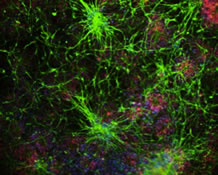
This website uses cookies as well as similar tools and technologies to understand visitors' experiences. By continuing to use this website, you consent to Columbia University's usage of cookies and similar technologies, in accordance with the Columbia University Website Cookie Notice.