








Columbia University
Irving Medical Center
Neurological Institute
710 West 168th Street, 3rd floor
(212) 305-1818




About Us
Taub Faculty
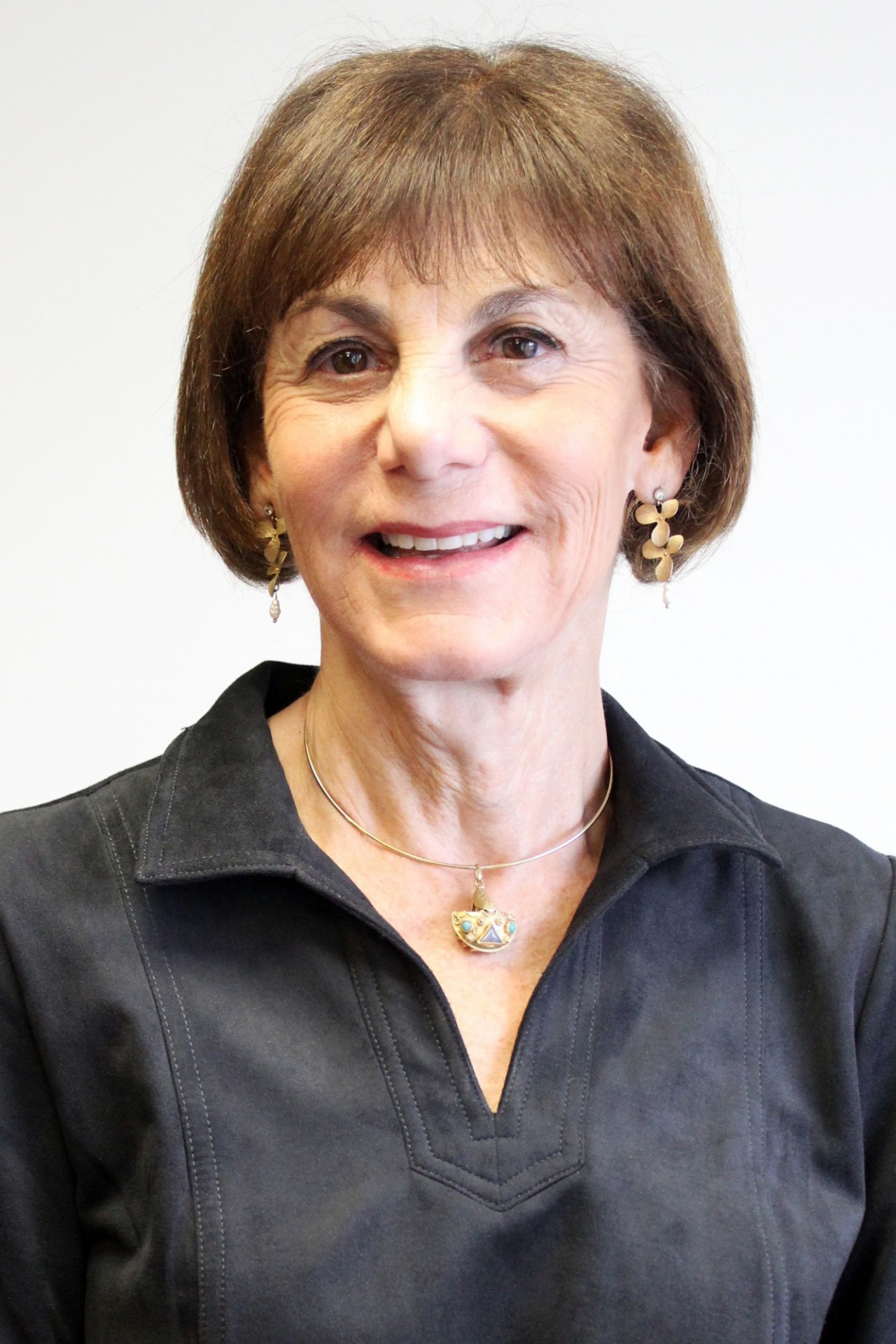
Jill S. Goldman, MS, MPhil, CGC
Professor of Genetic Counseling (in Neurology) at the Columbia University Medical Center
Email: jg2673@cumc.columbia.edu
Jill S. Goldman, MS, MPhil,CGC is a genetic counselor at The Taub Institute at Columbia University Irving Medical Center where she is a partner in the Center of Excellence for Alzheimer’s Disease. She has worked as a genetic counselor since 2000; before that she was a health education specialist and science teacher.
Goldman is a member of the National Society of Genetic Counselors (NSGC) Special Interest Group on Neurogenetics, a member of the American Academy of Neurology, and an appointed member of the Medical Advisory Committee of the Association for Frontotemporal Dementia. Additionally she leads 2 support groups-one for caregivers of people with frontotemporal dementia and the other for people living with early stage dementia. She also created and coordinates “A Friend for Rachel”, a companionship program in which people with early to moderate dementia are paired with Columbia pre-medical students.
Jill has authored many papers and book chapters including: “Genetic counseling and testing for Alzheimer disease: joint practice guidelines of the American College of Medical Genetics and the National Society of Genetic Counselors” and “New approaches to genetic counseling and testing for Alzheimer's disease and frontotemporal degeneration”. She is the editor of the textbook: Genetic Counseling for Adult Neurogenetic Disease: A Casebook for Clinicians, Springer, 2015.


Contact Us
630 West 168th Street
P&S Box 16
New York, NY 10032
Phone: 212 305-1818
Fax: 212 342-2849
Email: taubinstitute@columbia.edu
Brain Donation
Our ability to understand Alzheimer's disease is dependent upon studying brain tissue.
For more information, please contact Donovan Laing at (212) 305-9086 dal2190@cumc.columbia.edu
This website uses cookies as well as similar tools and technologies to understand visitors' experiences. By continuing to use this website, you consent to Columbia University's usage of cookies and similar technologies, in accordance with the Columbia University Website Cookie Notice.